HOME / SKIN GYM / SUN DAMAGE AND PHOTOAGING TREATMENT
Sun Damage and Photoaging Treatment
Understanding the Effects of Sun Exposure on Skin Tone and Skin Health
What Is Sun Damage?
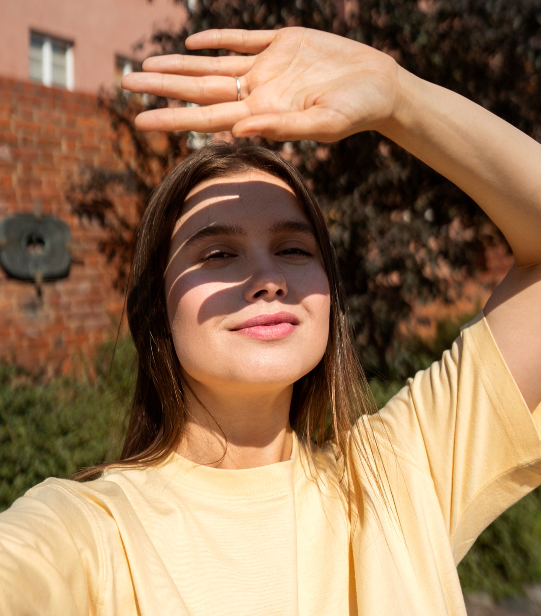
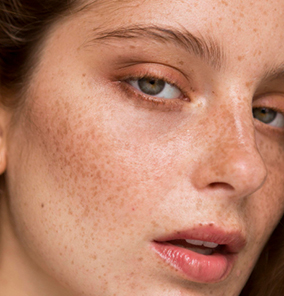
Sun damage refers to the effects that long-term exposure to ultraviolet (UV) radiation can have on the skin.
Over time, repeated sun exposure may affect the skin’s pigment balance, collagen structure, and overall skin quality.
These changes may lead to visible skin concerns such as:
- freckles
- sunspots
- uneven skin tone
- dull skin
- fine lines and texture changes
Sun damage develops gradually and may become more noticeable over time as the skin accumulates exposure to ultraviolet radiation.
Because of Singapore’s tropical climate and year-round sunlight, protecting the skin from UV exposure is an important part of maintaining healthy skin.
What Causes Sun Damage?
Sun damage occurs when ultraviolet radiation penetrates the skin and affects its biological processes.

Ultraviolet Radiation
Ultraviolet radiation stimulates melanocytes to produce melanin as part of the skin’s natural defence mechanism. Over time, this may lead to pigmentation such as freckles or sunspots.
Cumulative Sun Exposure
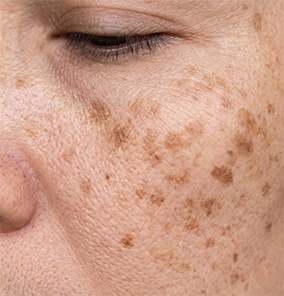
Even small amounts of sun exposure accumulated over many years may gradually contribute to visible skin changes.
Environmental Stress
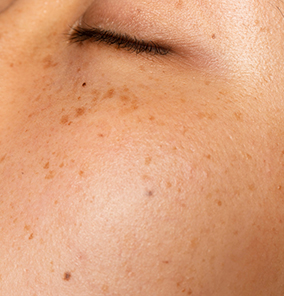
Sun exposure may also contribute to oxidative stress within the skin, which can affect skin texture and collagen production.
Reduced Skin Repair
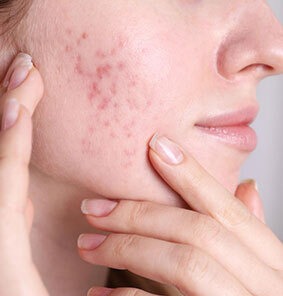
With age, the skin’s natural ability to repair sun-induced damage may gradually decrease.
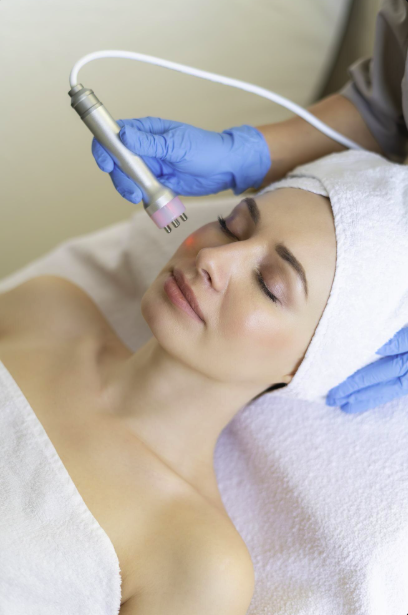
Because sun damage develops slowly over time, prevention plays an important role in maintaining healthy skin.
Treatments for sun damage focus on improving both skin tone and skin quality.
Reducing
Pigmentation
Certain treatments target pigment particles within the skin to help improve freckles, sunspots, and uneven tone.
Supporting
Skin Renewal
Treatments that support skin turnover may help remove pigmented skin cells and improve skin brightness.
Stimulating Skin
Remodeling
Some treatments stimulate collagen production and support skin regeneration, which may improve texture and overall skin quality.
Preventing Further
Damage
Protecting the skin from ultraviolet radiation is an important part of preventing further sun-related skin changes.
Protecting the Skin
Preventing further pigmentation often involves protecting the skin from ultraviolet exposure and maintaining overall skin health.
Regular use of broad-spectrum sunscreen helps reduce UV stimulation of pigment production and supports the results of treatment.
Treatments Offered for Sun Damage
Treatment approaches depend on the type and extent of skin changes present.
Pico Laser Treatments
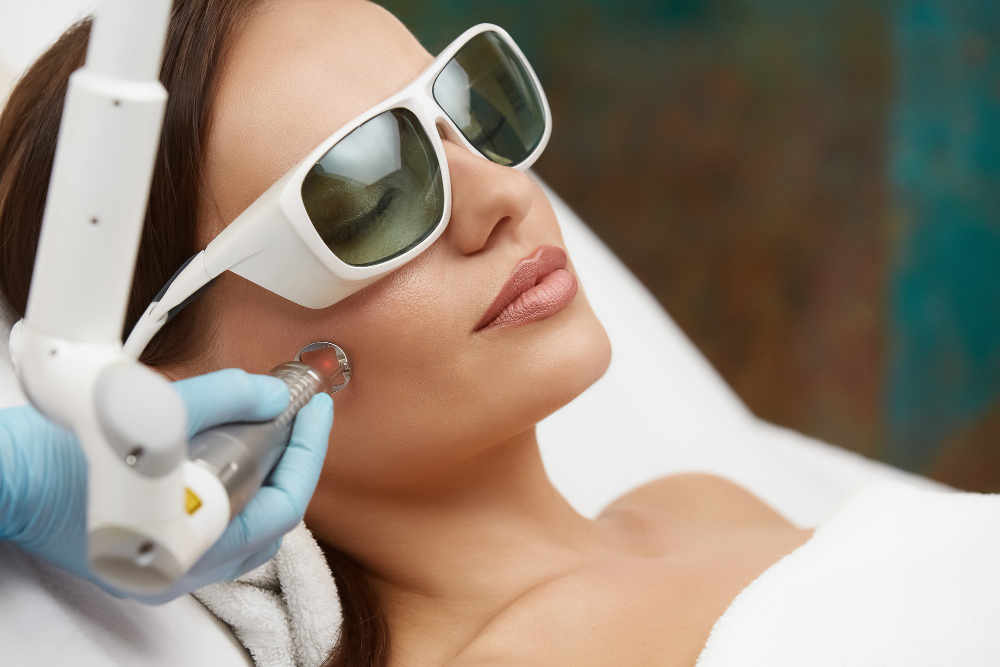
Pico laser technology delivers short pulses of energy that target pigment particles within the skin.
These treatments may help improve:
- sunspots
- freckles
- uneven skin tone
- overall skin brightness
Ruby Laser Treatments
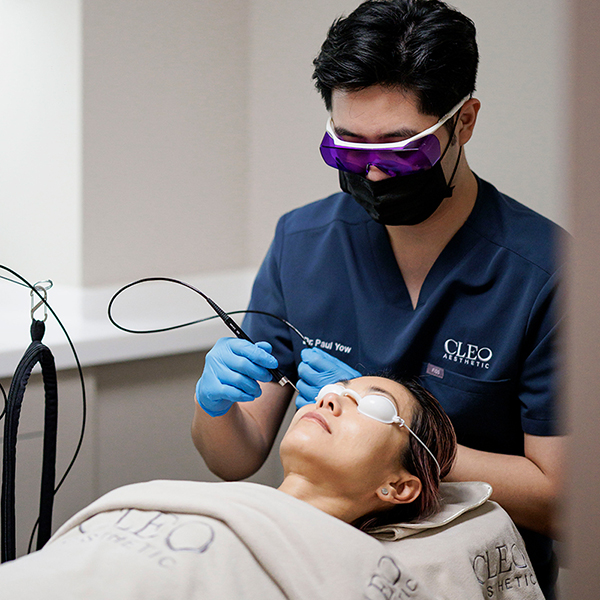
Ruby lasers operate at a wavelength that is selectively absorbed by melanin.
These treatments may be used to treat specific pigment spots or concentrated areas of sun-related pigmentation.
Yellow Laser Treatments
Long-term sun exposure may also contribute to vascular changes within the skin, such as visible blood vessels or areas of redness.
Yellow laser treatments target blood vessels within the skin and may help improve:
- facial redness
- visible blood vessels
- uneven skin tone caused by vascular changes
Addressing both pigment and vascular components of sun damage may help improve overall skin clarity.
CLEO ExoPeel
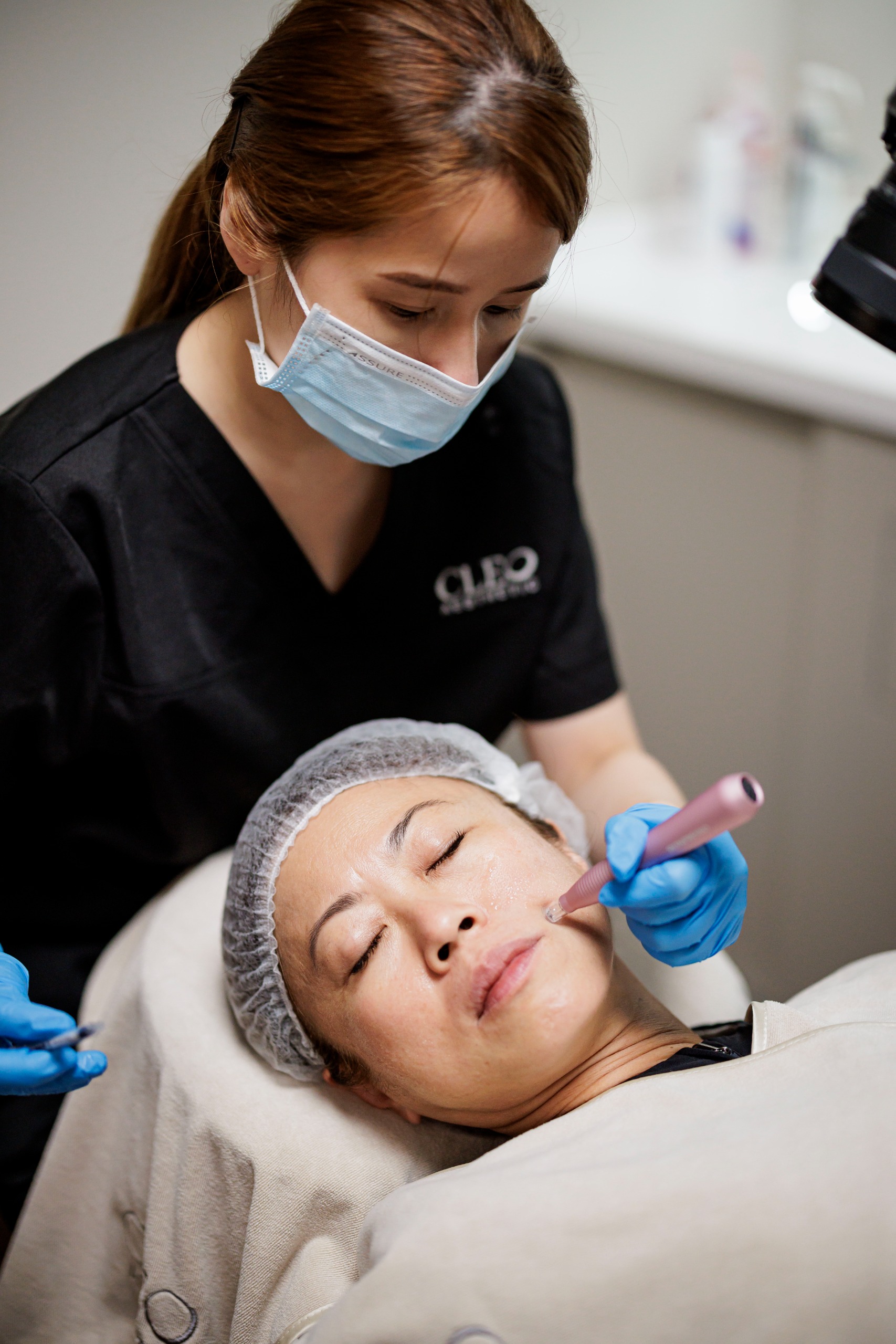
The CLEO ExoPeel is a multi-step skin renewal treatment designed to support gentle exfoliation and skin recovery.
This treatment combines:
- chemical exfoliation
- light microneedling
- topical regenerative serum infusion
- calming skin recovery
The treatment may help support:
- improved skin brightness
- smoother skin texture
- improved skin clarity
CLEO Skin Renewal
CLEO Skin Renewal is a comprehensive skin rejuvenation treatment designed to improve skin tone, texture, and dermal quality.
This treatment combines several technologies that work together to support both skin renewal and collagen stimulation, including:
- laser treatment to improve pigmentation and skin tone
- fractional technology to stimulate skin remodeling
- injectable skin boosters to support dermal quality
- topical regenerative serums to enhance skin recovery
This multi-modality approach may help support:
- brighter skin tone
- smoother skin texture
- improved skin firmness
- enhanced overall skin quality
Type I Collagen Skin Booster
Sun exposure may contribute to gradual loss of collagen within the skin, which may affect skin texture and elasticity over time.
Type I collagen skin boosters are injectable treatments designed to support dermal structure and collagen remodeling.
These treatments may help improve:
- skin texture
- skin firmness
- overall skin quality
Supporting dermal collagen may complement treatments that improve pigmentation and skin tone.
Skin Boosters
Injectable skin boosters such as bio-remodelling hyaluronic acid treatments or salmon polynucleotide (PN) injections may help improve skin hydration and dermal quality.
Improved dermal hydration may contribute to smoother skin and improved overall skin quality.
Benefits of Sun Damage Treatments
Patients undergoing treatment may experience improvements such as:
- clearer skin tone
- reduction in visible sunspots
- improved skin brightness
- smoother skin texture
- better dermal structure and support
Results vary depending on the extent of sun damage and the treatments used.
Who Can Benefit from Sun Damage Treatment?
Treatment may be suitable for individuals who experience:
- sunspots or freckles
- uneven skin tone caused by sun exposure
- dull skin related to environmental exposure
- early signs of photoaging
A consultation allows the doctor to assess the skin condition and recommend appropriate treatment options.
What to Expect During Treatment
Treatment plans are tailored according to the type and extent of sun-related skin changes.
Initial Consultation
The doctor will assess the skin to determine the presence of pigmentation, texture changes, or other signs of sun damage.
Treatment Sessions
Treatment sessions may involve laser treatments, skin renewal procedures, or regenerative therapies designed to improve skin tone and skin quality.
Gradual Improvement
Improvements in skin tone and texture typically occur gradually as pigment is reduced and skin renewal processes are stimulated.
Maintenance and Prevention
Consistent sun protection plays an important role in maintaining treatment results.
Using broad-spectrum sunscreen daily helps protect the skin from further ultraviolet damage.
Possible Side Effects and Considerations
Temporary effects may occur depending on the treatments performed.
Possible effects may include:
Mild redness
temporary skin sensitivity
temporary darkening of pigmentation before improvement
Sun protection is particularly important following treatments that target pigmentation.
Regular use of broad-spectrum sunscreen helps protect the skin and maintain treatment results.
Frequently Asked Questions About Sun Damage
Can sun damage be reversed?
Some visible effects of sun damage, such as pigmentation and uneven skin tone, may improve with treatment. However, protecting the skin from further UV exposure remains important.
How does sunscreen help prevent sun damage?
Sunscreen protects the skin from ultraviolet radiation, which stimulates pigment production and contributes to skin aging.
Regular use of sunscreen helps protect the skin and reduce the risk of new pigmentation developing.
At what age does sun damage appear?
Sun damage may appear gradually over time. Some individuals begin to notice pigmentation or uneven skin tone in their twenties or thirties depending on cumulative sun exposure.
Can cloudy weather still cause sun damage?
Yes. Ultraviolet radiation can penetrate clouds, which means sun protection is still important even on cloudy days.
How often should sunscreen be applied?
Sunscreen should be applied daily and reapplied when exposed to sunlight for extended periods.
Are oral sun supplements useful, and can they replace sunscreen?
Certain oral supplements are sometimes used to support the skin’s natural defense against ultraviolet radiation.
These supplements may contain ingredients that help reduce oxidative stress caused by sun exposure. Some individuals take them as part of a broader approach to skin protection.
However, oral sun supplements do not replace topical sunscreen.
Topical sunscreens provide a protective barrier that helps block ultraviolet radiation from reaching the skin. Because oral supplements do not physically block UV radiation, they should be used only as a complement to sun protection measures, not as a substitute.
For effective sun protection, dermatologists generally recommend:
- regular use of broad-spectrum sunscreen
- reapplication of sunscreen during prolonged sun exposure
- wearing protective clothing and seeking shade when possible
These measures help reduce UV exposure and support long-term skin health.
Protecting Skin from Sun Damage
Sun damage is a common concern that may affect skin tone, texture, and overall skin health.
At CLEO Aesthetic, treatment plans focus on improving skin tone while supporting long-term skin stability and skin health.
Consistent sun protection remains one of the most important steps in maintaining healthy skin.
A consultation can help determine the most appropriate treatment approach for your skin concerns.