HOME / SKIN GYM / INJECTABLE
Injectable Treatments
Supporting Skin Quality, Structure, and Facial Balance
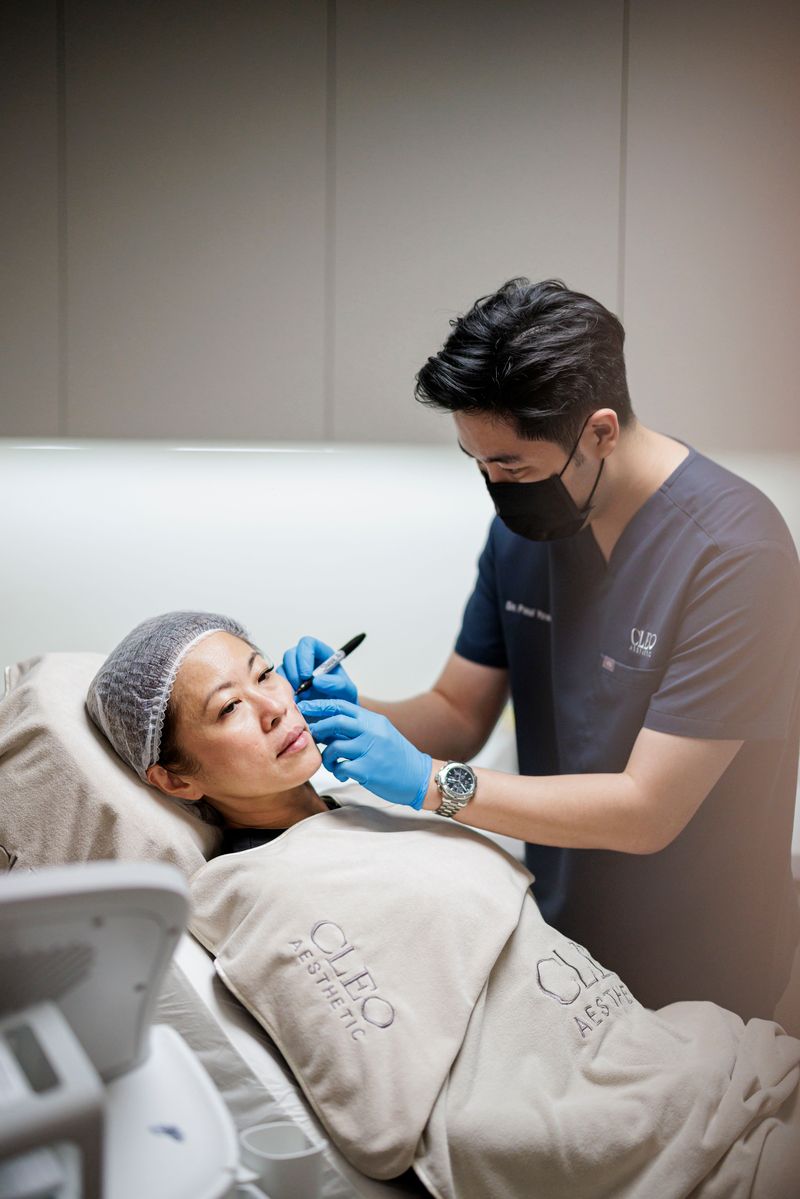
Injectable treatments are commonly used in aesthetic medicine to improve skin quality, restore facial structure, and support natural-looking rejuvenation.
Different injectable treatments work in different ways. Some treatments focus on relaxing facial muscles, while others improve skin hydration, stimulate collagen production, support facial structure, or restore volume.
At CLEO Aesthetic, injectable treatments are selected according to the individual’s facial structure, skin condition, and treatment goals. Rather than focusing on a single product or treatment, the aim is to support balanced and natural-looking improvements while maintaining overall skin health.
Understanding Injectable Treatments
Injectable treatments used in aesthetic medicine can be broadly grouped according to how they work within the skin and facial structure.
| Treatment Category | Main Purpose |
|---|---|
|
Botulinum toxin |
Relaxing overactive facial muscles |
|
Skin boosters |
Improving skin hydration and dermal quality |
|
Collagen biostimulators |
Stimulating collagen production |
|
Structural remodelling injectables |
Supporting facial structure and fat pad integrity |
|
Dermal fillers |
Restoring facial volume and contour |
Each treatment works through a different biological mechanism and may address different aesthetic concerns.
Because facial ageing affects multiple layers of the skin and underlying structures, treatment plans may sometimes involve a combination of approaches.
The Layer of Action in Injectable Treatments
One way to understand injectable treatments is to consider where they work within the face.
Different injectable treatments support different anatomical layers.
One way to understand injectable treatments is to consider where they work within the face.
Different injectable treatments support different anatomical layers.
| Facial Layer | Treatment Type | Purpose |
|---|---|---|
|
Skin |
Skin boosters |
Hydration and skin quality |
|
Dermis |
Collagen biostimulators |
Collagen support |
|
Subcutaneous
fat |
Structural remodelling injectables |
Structural support and fat pad integrity |
|
Deep tissue |
Dermal fillers |
Volume restoration |
|
Muscle |
Botulinum toxin |
Wrinkle reduction |
Because facial ageing affects multiple layers simultaneously, treatment plans may sometimes involve addressing more than one layer.
This layered approach allows improvements in:
- skin quality
- facial structure
- muscle-related wrinkles
while maintaining natural facial movement and facial balance.
Types of Injectable Treatments
Several types of laser technologies may be used depending on the patient’s skin condition.
Botulinum Toxin Treatments
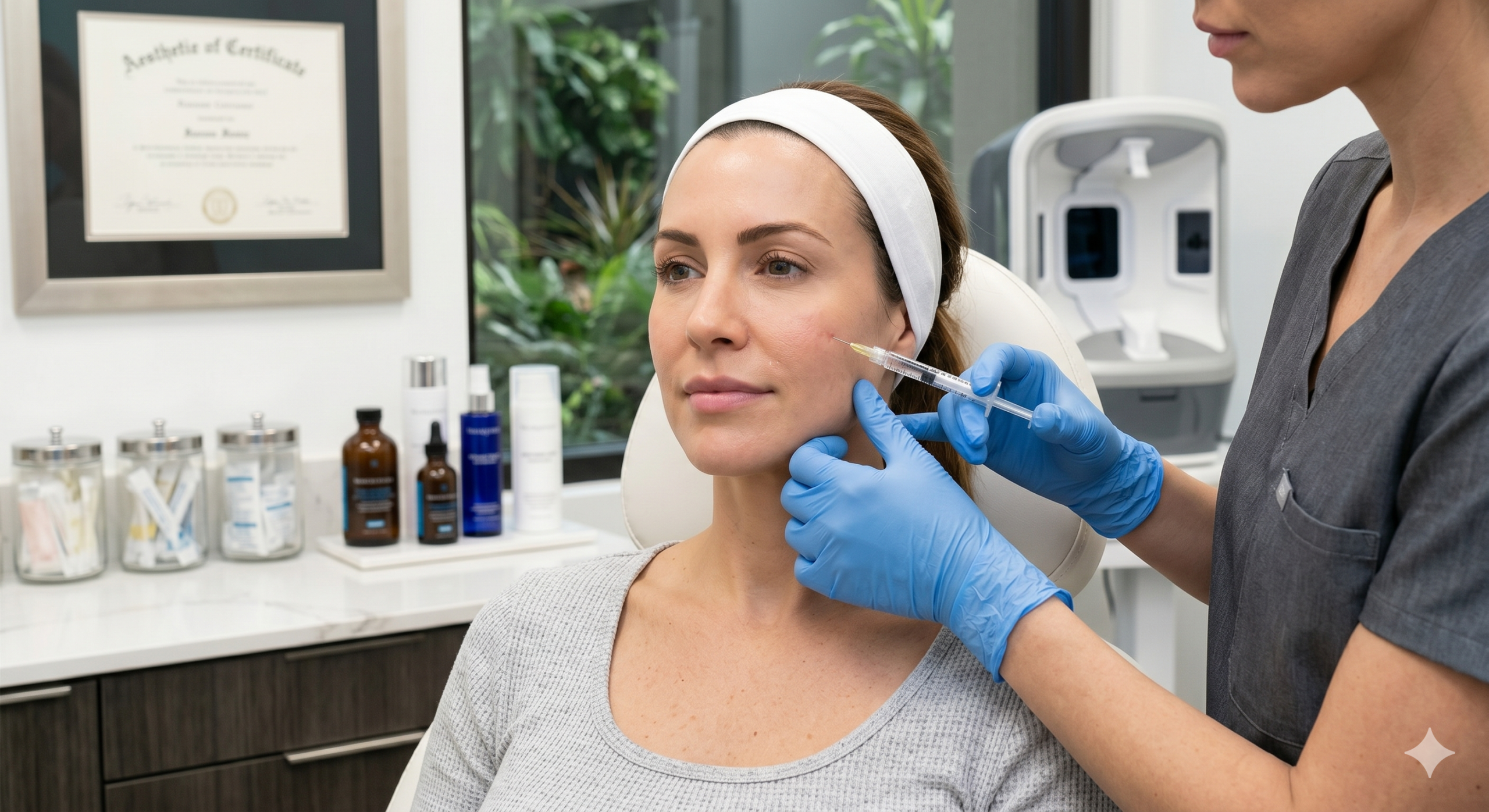
Botulinum toxin treatments work by temporarily relaxing specific facial muscles.
Repeated facial expressions may cause muscles to contract over time, which can contribute to the formation of dynamic wrinkles such as:
- forehead lines
- frown lines
- crow’s feet
By reducing muscle activity in targeted areas, botulinum toxin treatments may help soften the appearance of these lines while maintaining natural facial expression.

Skin Boosters
Skin boosters are injectable treatments designed to improve skin hydration and dermal quality.
Unlike dermal fillers, skin boosters are not primarily used to add volume. Instead, they help support the condition of the skin itself by improving hydration, dermal repair processes, and overall skin resilience.
Examples of skin booster treatments include approaches that support:
- skin hydration
- dermal repair
- skin resilience
- improved skin texture
These treatments may be suitable for individuals who wish to improve skin quality without altering facial shape.

PLLA Biostimulators
Collagen biostimulators are injectable treatments designed to stimulate the body’s natural collagen production.
Rather than providing immediate volume, these treatments gradually stimulate collagen formation within the skin.
Collagen stimulation may help support:
- improved skin firmness
- dermal strength
- improved skin texture
These treatments are often used for individuals who wish to support long-term structural skin quality.
Structural Remodelling Injectables
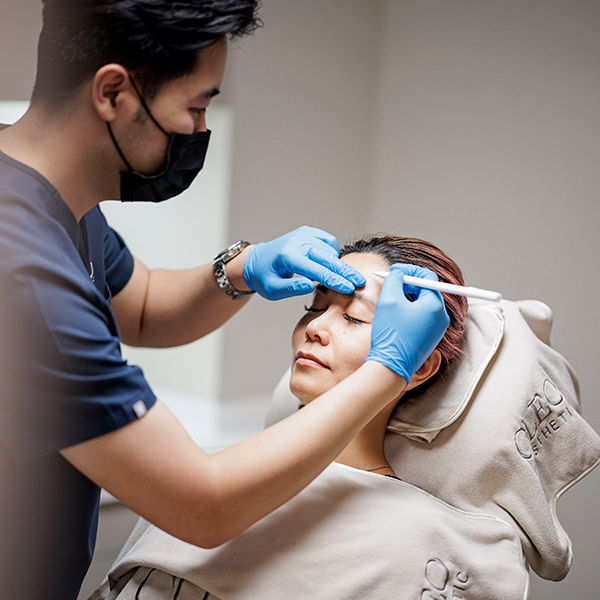
Structural remodelling injectables are designed to support facial structure and underlying tissue support.
These treatments work within deeper layers of the face and may help support areas where structural changes occur over time.
Such treatments may help support:
- facial contour
- structural balance
- early volume support
These treatments may be used for individuals experiencing early changes in facial structure before more significant volume loss develops.
Dermal Fillers
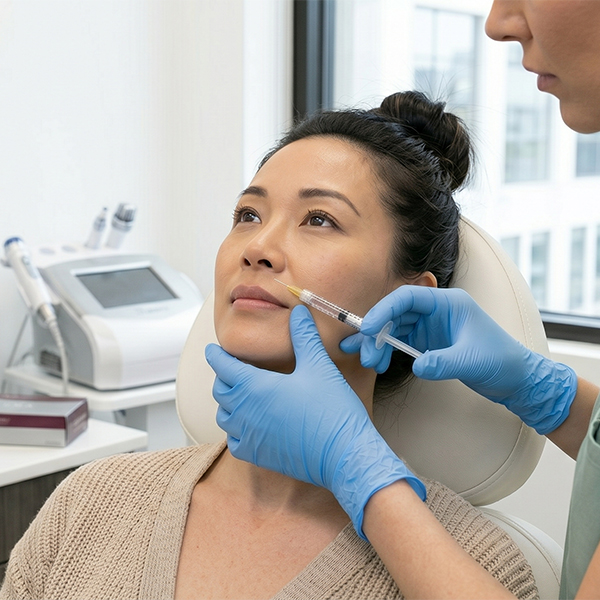
Dermal fillers are injectable treatments used to restore volume and support facial contours.
As natural fat and collagen gradually decrease over time, certain areas of the face may appear:
- hollow
- less define
- less structurally supported
Dermal fillers may be used to support areas such as:
- cheeks
- jawline
- chin
- under-eye hollows
When performed with careful assessment of facial proportions, fillers may help support natural-looking facial balance.
Our Treatment Approach at CLEO Aesthetic
Structural Facial Assessment
Treatment planning considers facial proportions, skin quality, and structural support to guide appropriate injectable choices.
Layered Treatment Approach
Because different treatments work at different levels of the skin and facial structure, treatment plans may combine multiple approaches to support balanced outcomes.
Focus on Natural Results
Injectable treatments are designed to support subtle improvements while maintaining natural facial movement and expression.

Benefits of Injectable Treatments
Patients undergoing injectable treatments may experience improvements such as:
- smoother facial lines
- improved skin hydration and texture
- enhanced facial contour
- improved skin firmness
Results vary depending on the treatment performed and the individual’s skin condition.
Who May Benefit from Injectable Treatments?
Injectable treatments may be suitable for individuals who wish to address concerns such as:
- facial lines and wrinkles
- reduced skin hydration or skin quality
- loss of facial volume
- changes in facial contour
Treatment recommendations are personalised according to the individual’s skin condition and aesthetic goals.
What to Expect During Injectable Treatments
Initial Consultation
The doctor will assess facial structure, skin quality, and treatment goals to determine the most appropriate treatment approach.
Treatment Procedure
Most injectable treatments are performed in clinic and typically take a short amount of time depending on the treatment area.
Recovery
Mild swelling or redness may occur temporarily following treatment.
Gradual Results
Some treatments provide visible improvements shortly after treatment, while others work gradually by supporting the skin’s natural regenerative processes.
Possible Side Effects and Considerations
As with any injectable treatment, temporary effects may occur.
Possible effects may include:
Mild Redness at Injection Sites
Temporary Swelling
Minor Bruising
These effects typically resolve within several days.
A consultation allows the doctor to assess suitability and discuss potential risks and benefits.
Frequently Asked Questions About Injectable Treatments
Are injectable treatments safe?
When performed by trained medical professionals using appropriate techniques, injectable treatments are generally considered safe.
Will injectable treatments make my face look unnatural?
Treatment planning focuses on maintaining natural facial balance and expression. The aim is to support subtle improvements rather than dramatic changes.
How long do injectable treatments last?
The duration of results varies depending on the treatment performed and individual factors.
Can injectable treatments be combined with other treatments?
Yes. Injectable treatments may sometimes be combined with other aesthetic procedures to address multiple aspects of skin health and facial structure.
Personalised Injectable Treatment Planning
Different injectable treatments address different aspects of skin health and facial structure.
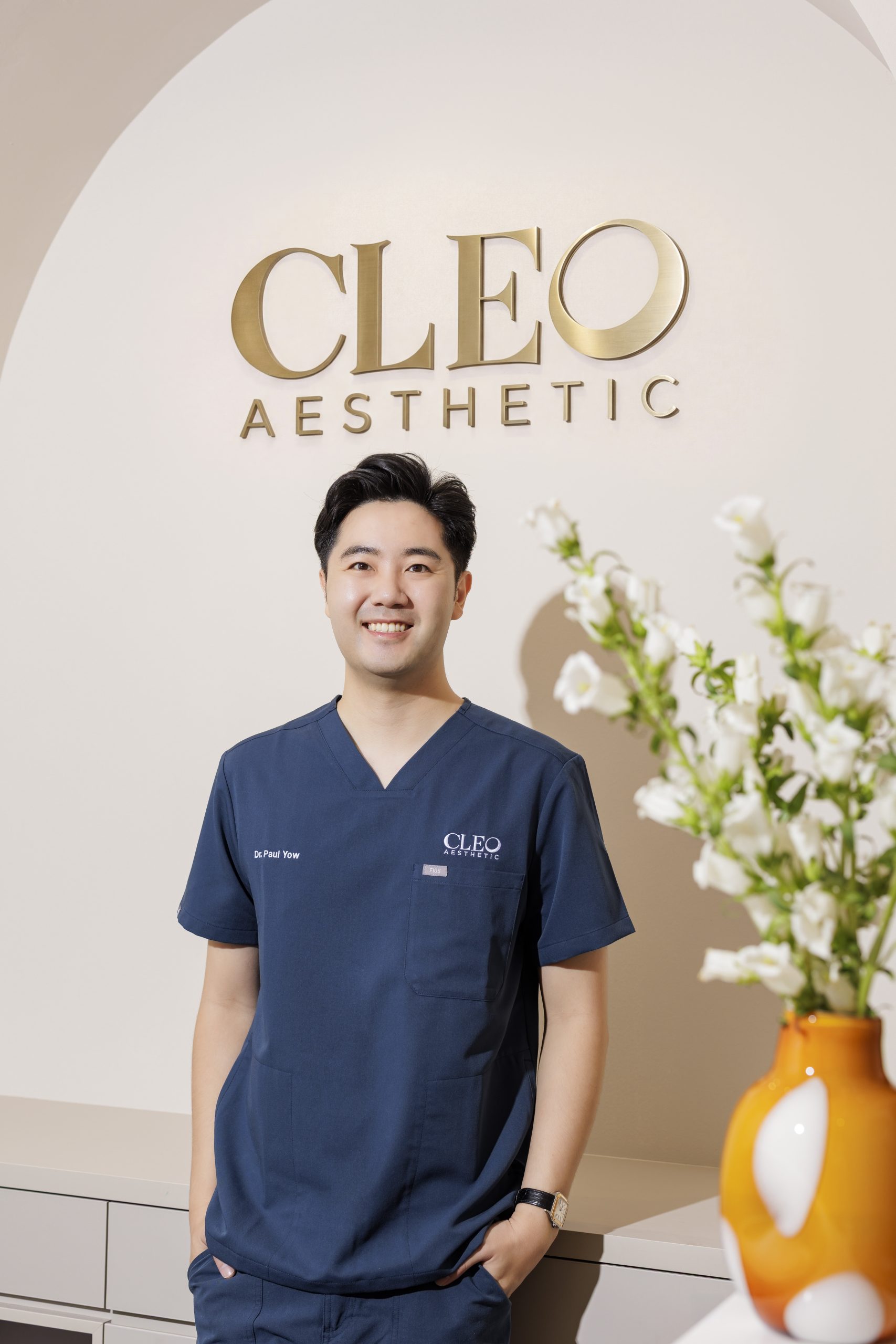
At CLEO Aesthetic, treatment plans are personalised according to the individual’s facial anatomy, skin condition, and treatment goals.
By selecting treatments that support different layers of the skin and facial structure, the aim is to help patients achieve balanced and natural-looking improvements.
A consultation with our doctor can help assess whether this treatment is suitable for your individual concerns.
 CLEO Aesthetics