HOME / CONCERNS / ACNE SCARS
Acne Scars
Acne Scar Treatment in Singapore
Improving Skin Texture and Skin Quality After Acne
Acne scars can remain long after active acne has cleared. For many individuals, these marks affect not only the appearance of the skin but also confidence and self-perception.
At CLEO Aesthetic, acne scar treatments focus on improving skin texture, skin regeneration, and overall skin quality. Rather than relying on a single treatment, acne scar management often involves a combination of technologies designed to stimulate skin repair and collagen regeneration.
Each treatment plan is personalised based on the type of acne scars, skin type, and individual treatment goals.
What Are Acne Scars?
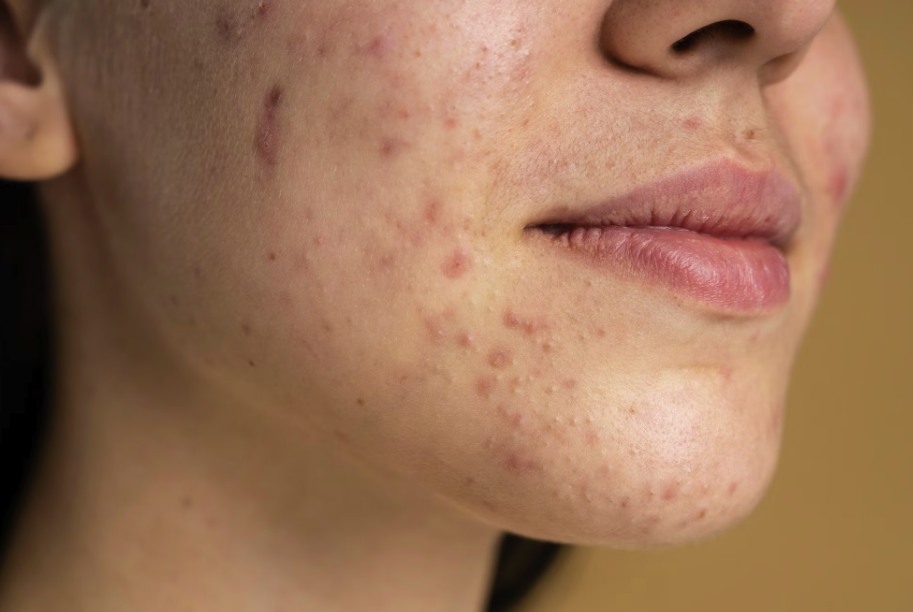
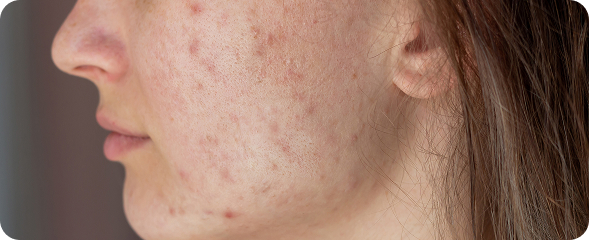
Acne scars form when inflammation from acne damages the deeper layers of the skin.
When the skin heals, the body produces collagen to repair the damaged tissue. If this healing process is uneven or insufficient, permanent textural changes in the skin may occur.
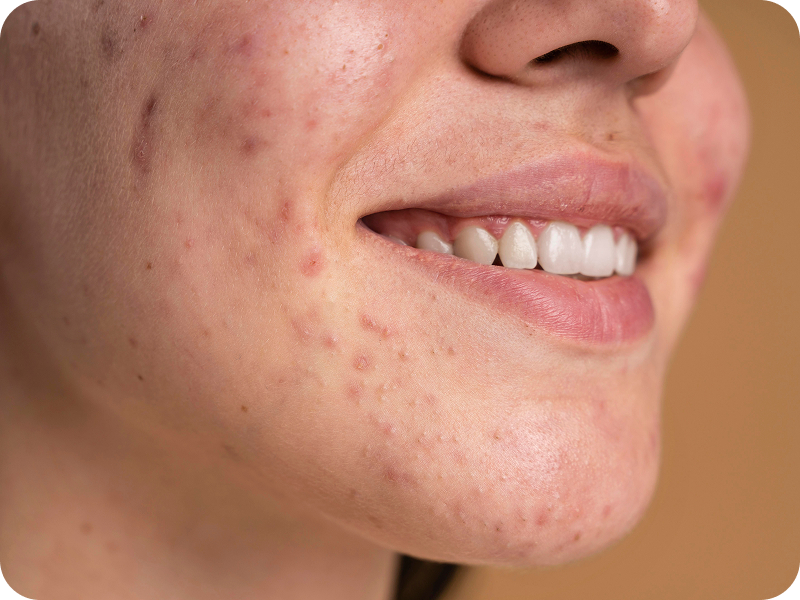
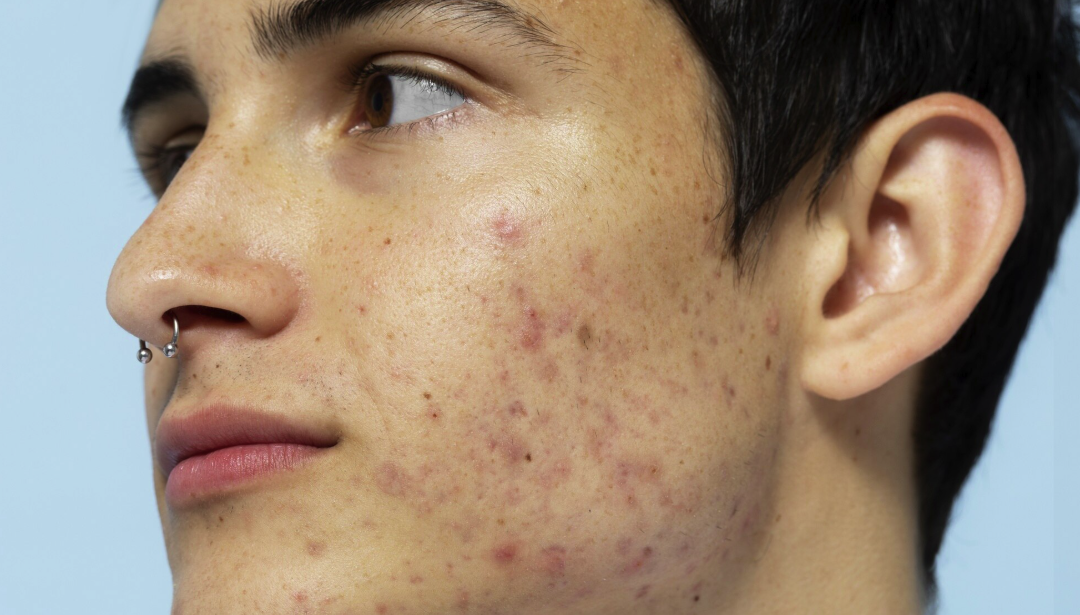
Acne scars typically appear as:
- indentations in the skin
- uneven skin texture
- small depressions or pits
- enlarged pores
- areas of post-acne redness or pigmentation
While acne marks such as redness or pigmentation may fade over time, true acne scars involve structural changes within the skin and may require medical treatments to improve.
Types of Acne Scars
Different types of acne scars respond better to different treatment approaches.

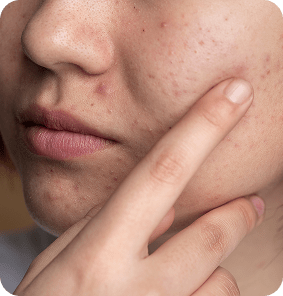
Ice Pick Scars
These are narrow, deep scars that extend into the deeper layers of the skin. They appear as small puncture-like indentations.
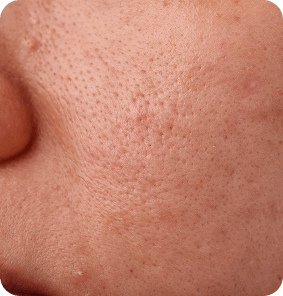
Boxcar Scars
Boxcar scars are broader depressions with defined edges, giving the skin a slightly uneven appearance.
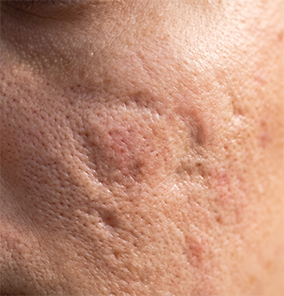
Rolling Scars
Rolling scars create a wavy skin texture caused by fibrous bands pulling the skin downward.
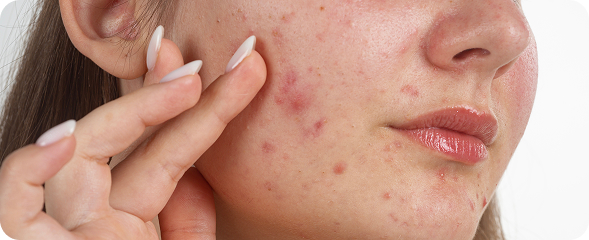
Post-Inflammatory Erythema (PIE)
Post-inflammatory erythema refers to flat red or pink marks that may remain after acne has healed. These marks are associated with changes in small blood vessels within the skin and are different from true textural scars.
Post-Inflammatory Hyperpigmentation (PIH)
Post-inflammatory hyperpigmentation refers to flat brown or dark marks caused by increased melanin production following inflammation. As PIE and PIH develop through different processes, the treatment approach may differ depending on the type of mark and the individual’s skin.
A detailed skin assessment helps determine the most appropriate treatment approach for each type.
How Acne Scar Treatments Work
Many acne scar treatments focus on stimulating collagen production and skin regeneration.
Collagen is a structural protein that helps support the skin’s framework. By encouraging collagen remodeling, treatments may gradually improve the appearance of depressed scars and uneven skin texture.
At CLEO Aesthetic, treatment approaches may include:
- laser targeting pigmentation changes
- fractional laser treatments
- collagen-stimulating treatments
- regenerative skin therapies
These treatments work by triggering the skin’s natural repair processes, allowing the skin to gradually remodel over time.
Treatments That May Help Improve Acne Scars
Because acne scars develop from structural changes within the skin, treatment plans often involve multiple modalities working together.
Fractional Laser Resurfacing
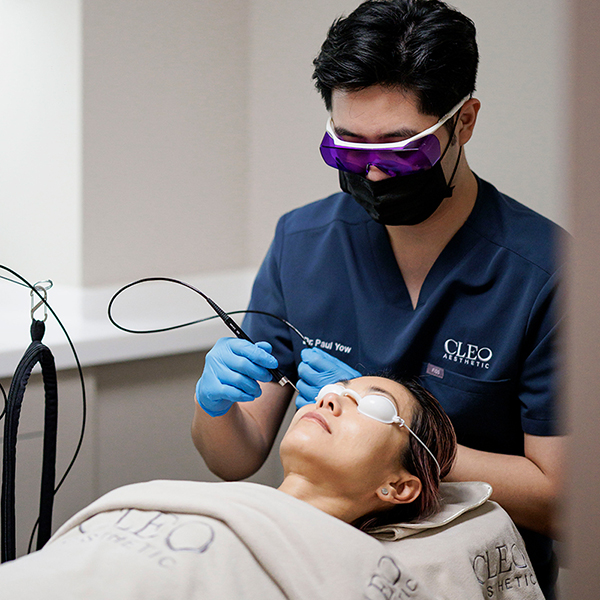
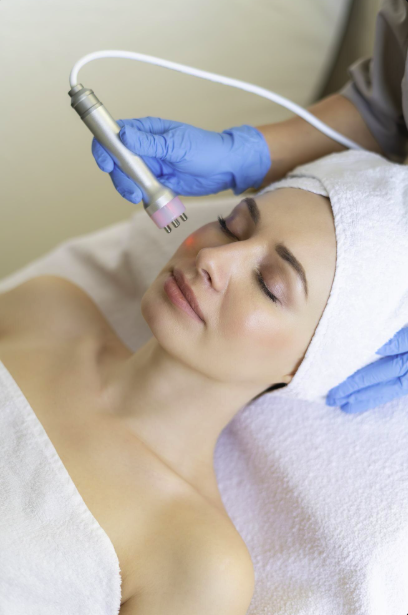
Fractional Laser Resurfacing creates controlled micro-injuries within the skin to stimulate collagen production and skin renewal.
This process may help improve:
- acne scar depth
- skin texture
- uneven skin surface
Fractional treatments target small columns within the skin while leaving surrounding tissue intact, allowing the skin to recover gradually.
Laser Treatments for Skin Texture and Pigmentation
Certain laser technologies may help improve:
- post-acne pigmentation
- redness after acne
- overall skin tone and clarity
While these treatments may not directly treat deep scars, they can enhance the overall appearance of the skin.
Collagen Biostimulating Treatments
Some injectable treatments are designed to stimulate the body’s natural collagen production.
These treatments may support:
- gradual improvement in skin texture
- increased skin firmness
- improvement in shallow acne scars
Collagen stimulation occurs progressively over time as the skin remodels.
Skin Regeneration Treatments
Regenerative treatments as salmon polynucleotide (PN) treatments or bio-remodelling hyaluronic acid injections may help support skin healing and tissue repair.
These therapies aim to improve:
- skin recovery
- overall skin quality
- resilience of acne-affected skin
Such treatments are often used alongside other procedures to optimise skin recovery.
Subcision
Subcision is a procedure used for certain depressed acne scars, particularly rolling scars that are tethered beneath the skin. It works by releasing fibrous bands beneath the scar to allow the skin surface to lift gradually as healing takes place.
Suitability depends on the type and depth of scarring and should be assessed by a medical professional.
Features of Acne Scar Treatment at CLEO Aesthetic
Personalised Treatment Planning
Acne scars vary widely in depth, type, and distribution. Some scars are shallow and textural, while others may be deeper and more tethered to the underlying skin.
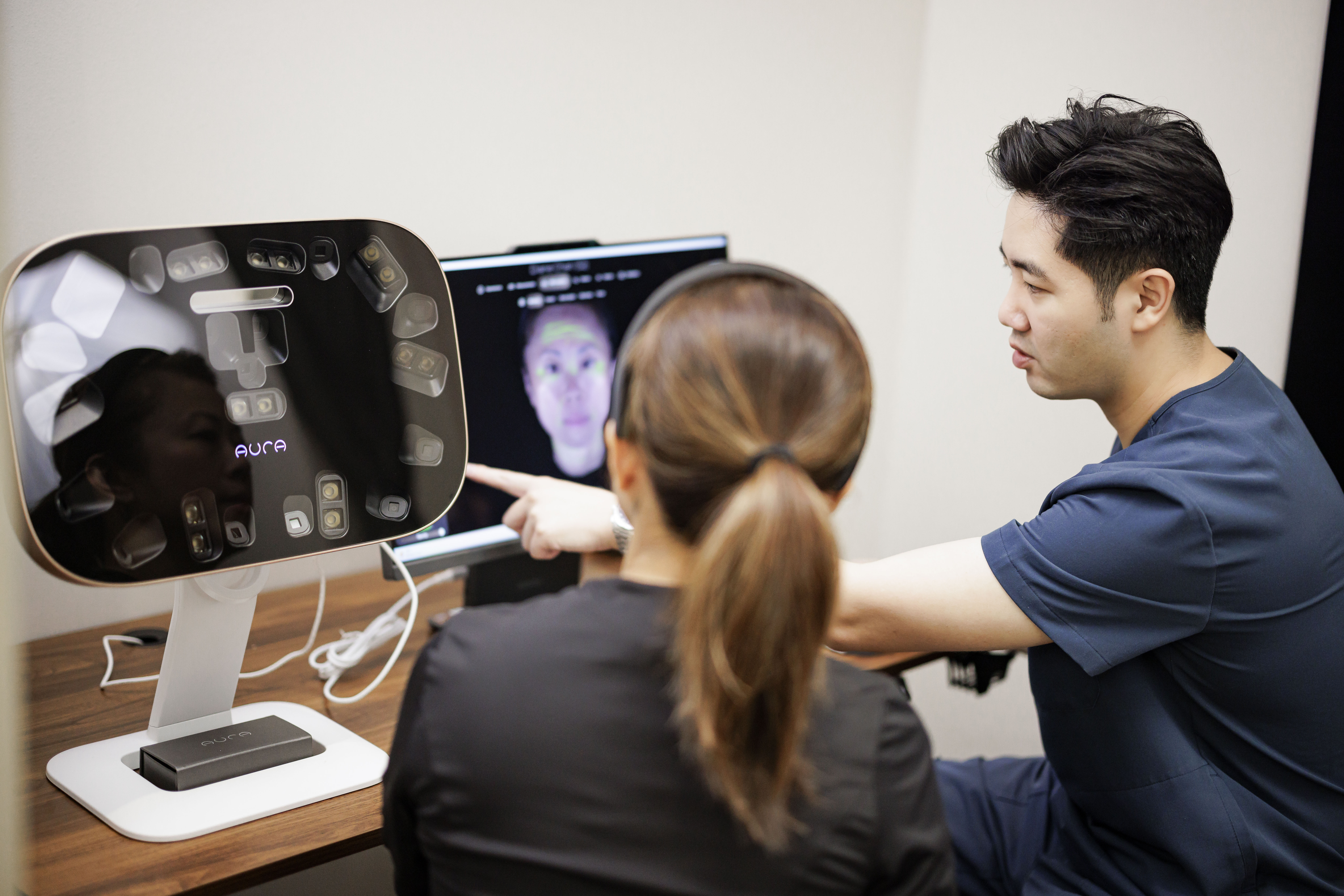
At CLEO Aesthetic, treatment planning begins with a careful assessment of the scar type, skin condition, and overall skin quality. This allows the doctor to recommend treatments that are appropriate for your individual skin needs.
Combination Treatment Approach
Acne scars often require multiple treatment modalities to achieve meaningful improvement. Rather than relying on a single technology, treatments are frequently combined to address different aspects of scarring.
At CLEO Aesthetic, this may include combinations of:
- PICO laser treatments to help improve pigmentation and overall skin tone
- Fractional laser treatments to stimulate collagen remodelling and improve scar texture
- Regenerative skin treatments that support the skin’s natural repair processes
Following doctor assessments, suitable patients may be treated through programmes such as CLEO Skin Renewal to support both collagen remodelling and overall skin recovery and quality.
Focus on Skin Quality and Regeneration
Improving acne scars is not only about reducing scar depth. Treatments are also selected to support skin regeneration, texture refinement, and long-term skin resilience.
By combining collagen-stimulating treatments with therapies that support skin repair, the goal is to gradually improve both the appearance of scars and the overall quality of the skin.
Benefits of Acne Scar Treatments
Patients undergoing acne scar treatments may experience improvements such as:
- smoother skin texture
- reduced appearance of depressed scars
- improved skin tone and clarity
- improved overall skin quality
- increased confidence in skin appearance
Results develop gradually as the skin remodels and collagen production increases.
Who May Benefit from Acne Scar Treatments?
Acne scar treatments may be suitable for individuals who experience:
- depressed acne scars
- uneven skin texture
- enlarged pores after acne
- persistent acne marks affecting skin appearance
Patients who have active acne may require treatment of acne first before focusing on acne scars.
A consultation is required to determine the most appropriate treatment options.
What to Expect During Treatment
The treatment process usually begins with a medical consultation and skin assessment.
Your doctor may evaluate:
- the type and severity of acne scars
- skin type and sensitivity
- previous acne treatments
- treatment goals
Based on this evaluation, a personalised treatment plan will be recommended.
Multiple sessions are often required as skin remodeling occurs gradually over time.
Possible Side Effects and Considerations
As with any medical aesthetic treatment, temporary side effects may occur.
Depending on the treatment performed, possible effects may include:
redness after treatment
mild swelling
temporary skin sensitivity
mild flaking or dryness
These effects typically resolve as the skin heals.
Patients may be advised to follow specific post-treatment skincare and sun protection to support optimal recovery.
Meet Our Doctor – Dr Paul Yow
Dr Paul Yow, Founder & Medical Director
MBBS (Monash), GDFM (NUS), Dip Dermatology (Cardiff)
Dr Paul takes a structured and personalised approach to aesthetic care, supported by postgraduate training that includes a Diploma in Dermatology. When assessing acne scars, treatment planning considers the type of scarring, skin condition, and appropriate combination of approaches for the individual. His treatment philosophy centres on thoughtful planning and supporting long-term skin health.
Frequently Asked Questions
Can acne scars be completely removed?
While treatments may improve the appearance of acne scars, complete removal may not always be possible. Treatment is generally aimed at improving skin texture and reducing the visibility of scars, with outcomes varying according to scar type, severity, skin condition, and the treatment approach used.
How many treatments are required?
The number of sessions varies depending on the type and severity of acne scars and the treatments used.
How long does it take to see improvement?
Skin remodeling occurs gradually as collagen production increases. Improvements may develop over several weeks to months.
Can acne scar treatments prevent future scars?
Treating active acne early and managing inflammation may help reduce the likelihood of new scars forming. For people with persistent or recurring breakouts, a structured multi-session acne treatment may be considered to address acne before or alongside longer-term scar management. Existing scars usually require separate assessment and treatment based on their type and depth.
Do I need to treat active acne before addressing acne scars?
Active acne is usually assessed and managed before or alongside scar treatment, as ongoing breakouts can lead to further inflammation and new scarring. Once acne is more stable, treatment can focus more directly on concerns such as depressed scars, uneven texture, redness, or pigmentation. The sequence will depend on the individual’s skin condition and treatment plan.
What is the difference between acne scars and acne marks?
Acne scars involve changes to the skin’s structure and may appear as depressions, uneven texture, or raised areas. Acne marks are flat areas of redness or pigmentation left after inflammation, such as post-inflammatory erythema or post-inflammatory hyperpigmentation. Because they affect the skin differently, they may require different treatment approaches.
Improving Skin After Acne
Acne scars can affect the skin long after breakouts have resolved, but medical treatments may help improve the appearance of the skin over time.
At CLEO Aesthetic, acne scar treatment plans focus on supporting skin regeneration, collagen remodeling, and long-term skin quality.
An assessment by our doctors can identify the scar types present and the treatment modalities available for each.