
HOME / SKIN GYM /DRY, DEHYDRATED AND DULL SKIN
Dry, Dehydrated & Dull Skin Treatment
Supporting Skin Hydration, Smoothness, and Radiance
Dry Skin vs Dehydrated Skin
Although the terms are sometimes used interchangeably, dry skin and dehydrated skin are not the same condition.
Dry skin refers to a lack of natural oils (lipids) within the skin. When the skin produces fewer oils, the skin barrier may become weaker and the skin may feel rough, flaky, or sensitive.
Dehydrated skin refers to a lack of water within the skin. When the skin loses water faster than it can retain it, the skin may appear tight, dull, or less radiant.
Some individuals may experience both conditions simultaneously, while others may have oily but dehydrated skin, where the skin produces oil but still lacks sufficient water content.
Because these conditions involve different mechanisms, treatments and skincare approaches often aim to support both hydration and skin barrier function.
What Causes Dry or Dehydrated Skin?
Several biological and environmental factors may contribute to dry or dehydrated skin.

Reduced Skin Hydration
Skin dehydration occurs when the skin loses water faster than it can retain it. This may lead to tightness, roughness, and reduced radiance.
Reduced Natural Oils
Dry skin occurs when the skin produces less oil, which may weaken the skin barrier and reduce the skin’s ability to retain moisture.
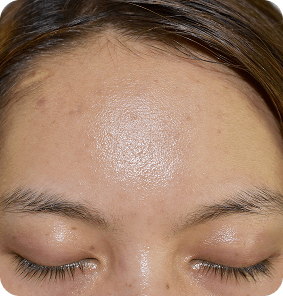
Skin Barrier Disruption
The outermost layer of the skin helps maintain hydration by preventing excessive water loss. When this barrier becomes weakened, moisture may escape more easily.
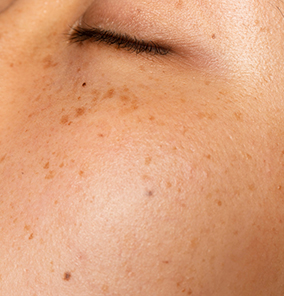
Environmental Factors
Air-conditioning, sun exposure, pollution, and harsh skincare products may all contribute to dehydration and reduced skin barrier function.
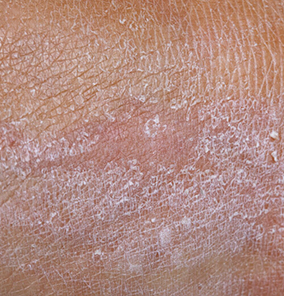
Skin Care Habits
Overuse of strong exfoliants or active skincare products may sometimes disrupt the skin barrier and contribute to dryness or dehydration.
Because these factors may occur together, treatments often focus on improving skin hydration, supporting the skin barrier, and restoring skin comfort.
Regular sun protection also plays an important role in protecting the skin barrier and maintaining skin hydration.
How Treatments for Dehydrated Skin Work
Treatments designed to improve skin hydration typically focus on several mechanisms.
Hydration Restoration
Certain treatments introduce or attract moisture into the skin, helping improve skin hydration and elasticity.
Skin Barrier Support
Treatments that strengthen the skin barrier may help reduce moisture loss and support healthier skin function.
Skin Renewal
Supporting gentle skin renewal may help improve the skin surface, allowing the skin to appear smoother and more radiant.
Skin Recovery
Regenerative treatments may support the skin’s ability to recover from environmental stress and maintain healthy skin function.
By addressing these pathways, treatment plans aim to support healthier, smoother, and more radiant skin.
Treatments Offered for Dry and Dehydrated Skin
Treatment approaches are selected depending on whether the skin requires hydration support, skin barrier repair, or both.
Hydration-Supporting Treatments
Certain treatments aim to improve water content within the skin, helping the skin appear smoother and more radiant.
Bio-Remodelling HA
Bio-remodelling hyaluronic acid treatments help improve dermal hydration and skin elasticity by distributing hyaluronic acid throughout the skin.
These treatments may support:
- improved skin hydration
- improved skin elasticity
- improved skin smoothness
- softer appearance of dehydration lines
Bio-Remodelling HA
Bio-remodelling hyaluronic acid treatments help improve dermal hydration and skin elasticity by distributing hyaluronic acid throughout the skin.
These treatments may support:
- improved skin hydration
- improved skin elasticity
- improved skin smoothness
- softer appearance of dehydration lines
Skin Barrier Support Treatments
Treatments that support the skin barrier may help reduce moisture loss and improve skin comfort.
Salmon Polyneucleotide (PN) Skin Booster
PN skin boosters support skin repair and regeneration while helping improve skin barrier function.
These treatments may help support:
- improved skin barrier recovery
- improved skin hydration
- improved skin texture
Deep Hydration Facial Treatments
Hydration-focused facial treatments help cleanse the skin while delivering moisture-supporting ingredients to the skin.
These treatments may help improve:
- skin hydration
- skin smoothness
- skin radiance
Skin Recovery and Support Treatments
Certain therapies may support skin recovery and help restore skin balance.
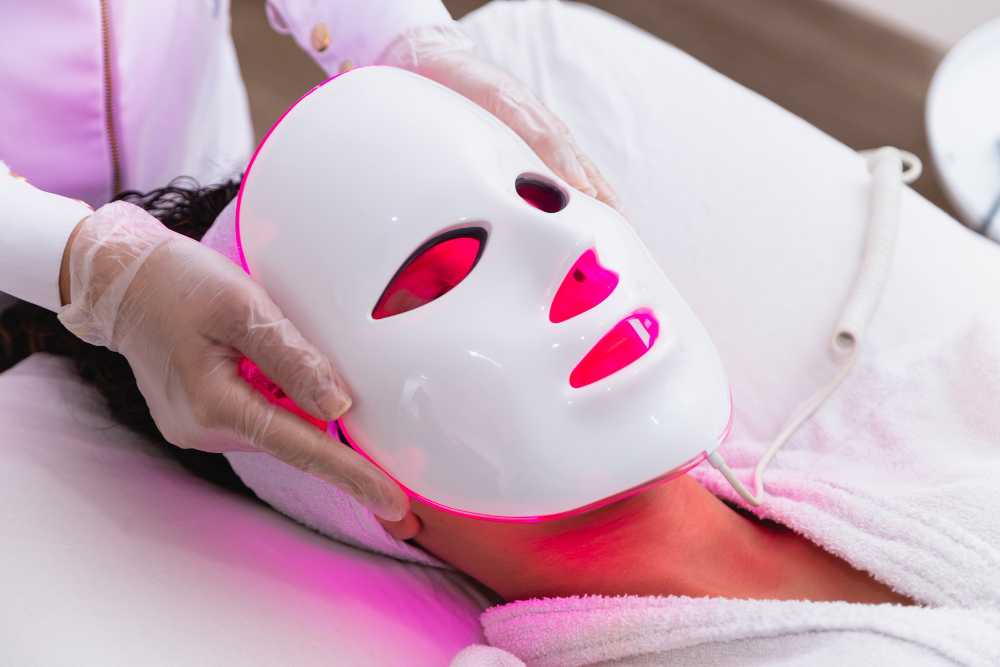
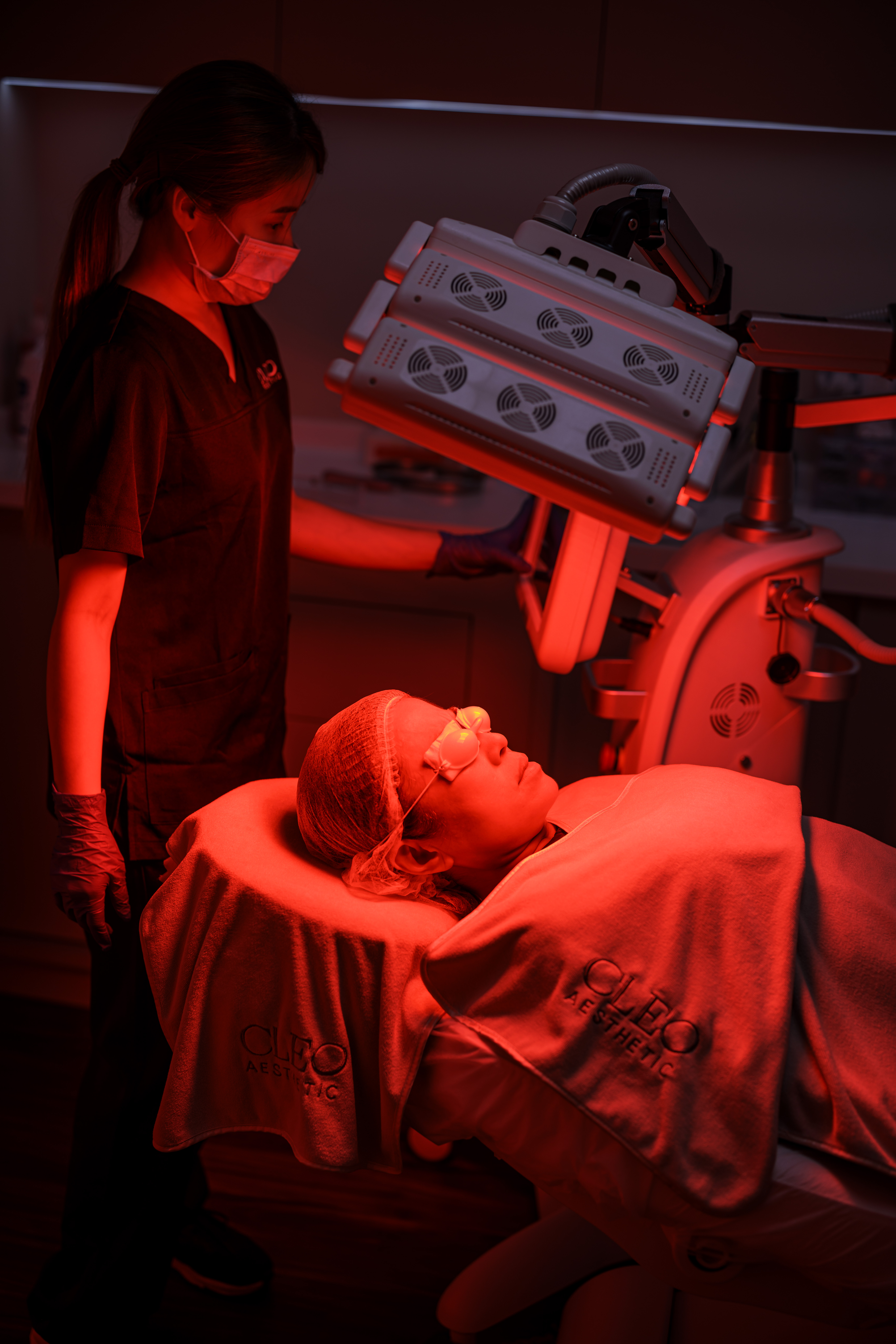
LED Light Therapy
Medical-grade LED therapy may help support the skin’s natural repair processes and improve overall skin comfort.
Gentle Skin Renewal Treatments
Treatments that support gentle skin renewal may help improve skin texture and radiance while maintaining hydration.
Examples may include treatments that combine skin renewal and regenerative therapies.
Benefits of Hydration Treatments
Patients undergoing treatment for dry or dehydrated skin may experience improvements such as:
- improved skin hydration
- smoother skin texture
- improved skin comfort
- improved skin radiance
Results vary depending on the individual’s skin condition and treatment approach.
Who Can Benefit from Hydration Treatments?
Treatment may be suitable for individuals who experience:
- dry or tight skin
- dull or tired-looking skin
- skin discomfort related to dehydration
- reduced skin smoothness
A consultation allows the doctor to assess skin condition and recommend appropriate treatment options.
What to Expect During Treatment
Initial Consultation
The doctor will examine the skin and assess hydration levels and skin barrier health.
Personalised Treatment Planning
Treatment recommendations are based on the patient’s skin condition and treatment goals.
Treatment Session
Treatments may involve facial therapies, injectable skin boosters, or regenerative treatments designed to improve skin hydration.
Gradual Improvement
Some treatments provide immediate improvements in hydration, while others may improve skin quality progressively over time.
Possible Side Effects and Considerations
Temporary effects may occur depending on the treatments performed.
Possible effects may include:
Mild redness
temporary skin sensitivity
mild swelling following injectable treatments
These effects are usually temporary and resolve as the skin recovers.
During consultation, the doctor will assess the skin and determine whether treatment is appropriate.
Frequently Asked Questions
What is the difference between dry skin and dehydrated skin?
Dry skin refers to a lack of natural oils, while dehydrated skin refers to a lack of water within the skin.
Can oily skin still be dehydrated?
Yes. Some individuals may produce excess oil while the skin itself lacks adequate water content.
Can skincare products help with dehydrated skin?
Moisturisers and gentle skincare may help support skin hydration and improve skin comfort.
How should moisturisers be layered to improve dry or dehydrated skin?
Moisturisers often contain different types of ingredients that support skin hydration in different ways.
These ingredients may include:
Humectants
Humectants attract water into the skin. Ingredients such as hyaluronic acid and glycerin help increase moisture within the skin and improve hydration.
Emollients
Emollients help soften and smooth the skin by filling gaps between skin cells. These ingredients help improve the skin surface and support skin comfort.
Occlusives
Occlusive ingredients form a protective layer on the skin surface to help reduce water loss from the skin.
For individuals with dehydrated skin, skincare products containing humectants may help attract moisture into the skin.
For individuals with dry skin, products that support the skin barrier with emollients or occlusives may help improve skin comfort and reduce moisture loss.
Because some individuals may experience both dryness and dehydration, skincare routines often combine ingredients that support both hydration and skin barrier protection.
A consultation can help determine whether skin treatments or skincare adjustments may be helpful for improving skin hydration.
Does sun exposure affect skin hydration?
Sun exposure may weaken the skin barrier and contribute to dehydration, which is why regular sun protection is recommended.
Supporting Healthy, Hydrated Skin
Dry and dehydrated skin may affect skin comfort, texture, and overall radiance.
At CLEO Aesthetic, treatment plans aim to support skin hydration while maintaining a healthy skin barrier and balanced skin function.
A consultation can help determine the most appropriate treatment approach for your skin concerns.