

HOME / SKIN GYM / SKIN RESILIENCE AND COLLAGEN SUPPORT


Skin Resilience and Collagen Support

Skin Resilience and Collagen Support

Strengthening the Skin’s Structural Foundation 


Healthy skin is not only defined by how it looks on the surface. Beneath the surface, the skin relies on a complex network of structural proteins that help maintain firmness, elasticity, and resilience. 


One of the most important components of this structure is collagen. Collagen provides strength and support to the skin, helping it maintain smoothness, elasticity, and overall skin quality. 


Over time, collagen levels naturally decline due to aging, environmental exposure, and repeated inflammation from conditions such as acne. As collagen decreases, the skin may become thinner, less resilient, and more prone to texture irregularities. 


At CLEO Aesthetic, treatments that support skin resilience focus on stimulating collagen production, improving dermal quality, and strengthening the skin’s structural foundation. 

What Is Skin Resilience?

Skin resilience refers to the skin’s ability to withstand environmental stress, recover from inflammation, and maintain structural integrity over time. 


Resilient skin is typically characterised by: 

  • good elasticity 
  • smooth skin texture 
  • balanced hydration 
  • strong barrier function 
  • efficient skin healing 


When skin resilience declines, the skin may become more vulnerable to damage and slower to recover. 

The Role of Collagen in Skin Health

Collagen is the most abundant structural protein in the skin and forms an important part of the dermal support framework. 


Collagen helps maintain: 

  • skin firmness 
  • elasticity and flexibility 
  • smooth skin texture 
  • structural support around pores and hair follicles 


Beginning in early adulthood, the body gradually produces less collagen each year. Environmental factors such as UV exposure, pollution, and inflammation may accelerate this process. 


Reduced collagen levels may contribute to: 

  • skin laxity 
  • enlarged pores 
  • uneven skin texture 
  • slower skin recovery after inflammation 


Supporting collagen health is therefore an important part of maintaining long-term skin quality. 

What Affects Skin Resilience?

Several biological and environmental factors may influence the strength and resilience of the skin. 

Natural Aging

As the body ages, collagen production gradually decreases, leading to reduced structural support within the skin.
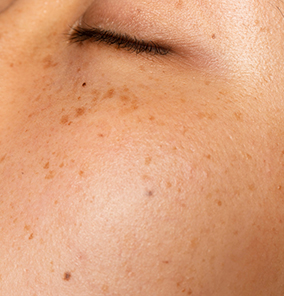
Environmental Stress

Sun exposure, pollution, and oxidative stress can accelerate collagen breakdown.
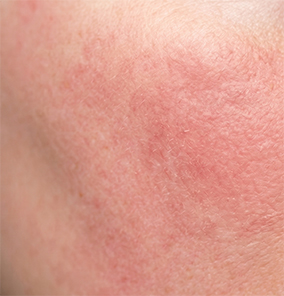
Skin Inflammation

Conditions such as acne or repeated irritation may affect skin recovery and collagen structure.
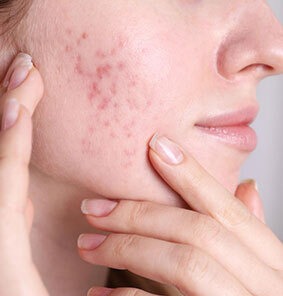
Skin Barrier Damage

When the skin barrier becomes compromised, the skin may become more vulnerable to environmental damage and slower to repair.
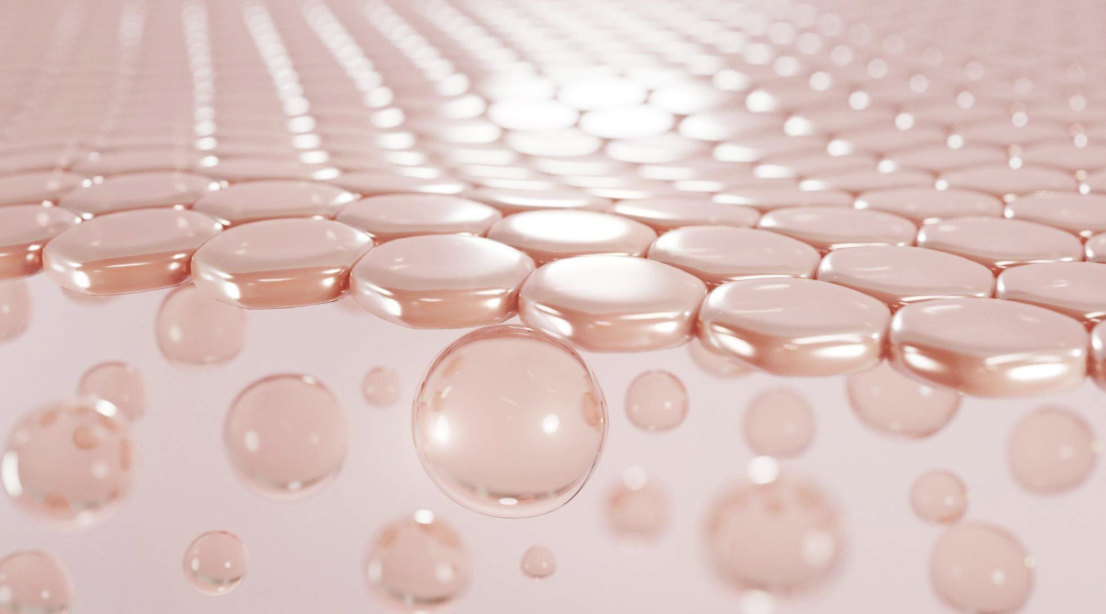
Because these factors often occur together, treatment plans for improving skin resilience usually focus on stimulating collagen production while supporting skin recovery.

How Treatments for Skin Resilience Work 

Medical treatments designed to improve skin resilience typically work through several mechanisms. 

Stimulating Collagen Production

Some treatments activate the skin’s natural ability to produce collagen, gradually strengthening dermal structure over time.

Supporting Skin Regeneration

Regenerative therapies may enhance the skin’s repair processes and improve tissue quality.

Improving Dermal Hydration

Hydrated skin tends to be more elastic and resilient. Improving dermal hydration may support overall skin health.

Enhancing Skin Recovery

Treatments that support skin healing may improve the skin’s ability to recover from inflammation and environmental stress.

Treatments That May Support Skin Resilience

At CLEO Aesthetic, treatments designed to strengthen the skin’s structure may involve both injectable regenerative therapies and energy-based technologies. 


These treatments stimulate collagen production through different mechanisms but share a common goal — improving the skin’s structural foundation and long-term resilience. 

Injectable Collagen Support

Injectable treatments may help stimulate or support collagen within the skin. These therapies work within the dermis to promote structural support and improve overall skin quality over time. 

Collagen Biostimulator Treatments

Collagen biostimulators are injectable treatments designed to stimulate the body’s natural collagen production. 


These treatments may help support: 

  • gradual improvement in skin firmness 
  • enhanced dermal structure 
  • improved skin texture 


Collagen production occurs progressively as the skin remodels over time. 

Type I Collagen Skin Booster

Type I collagen skin boosters deliver collagen directly into the skin to support dermal structure. 


These treatments may help improve: 

  • skin elasticity 
  • skin firmness 
  • overall skin quality 


Collagen-based treatments aim to strengthen the skin’s structural foundation. 

Salmon Polynucleotide (PN) Skin Boosters 

Polynucleotide treatments are regenerative therapies designed to support skin healing and tissue repair. 


These treatments may help improve: 

  • skin resilience 
  • recovery following inflammation 
  • overall dermal quality 


Such therapies are often incorporated into regenerative skin treatment plans. 

Energy-Based Collagen Stimulation

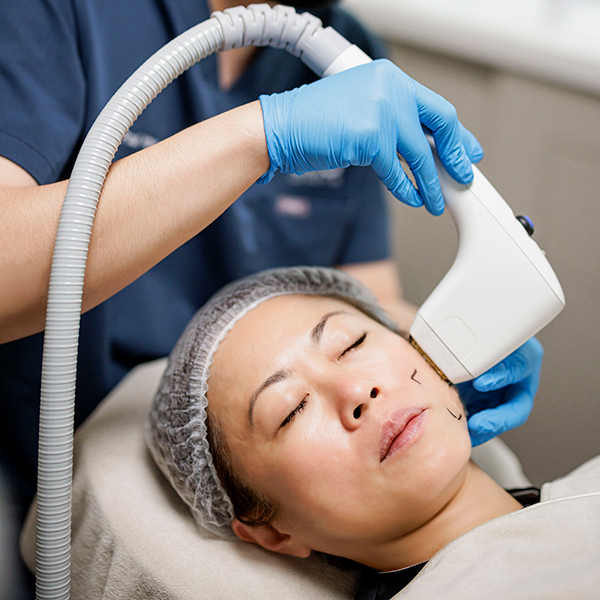
Certain medical technologies stimulate collagen production through the delivery of controlled thermal energy into specific layers of the skin. 


This energy activates the body’s natural collagen remodeling and regeneration processes, helping strengthen the skin’s structural support over time. 

Fractional Laser Treatments 

Fractional lasers create controlled micro-injuries within the skin that stimulate collagen production and skin remodeling. 


This process may help improve: 

  • skin texture 
  • enlarged pores 
  • acne-related skin irregularities 


Collagen remodeling gradually strengthens the skin’s structural framework. 

Sofwave Ultrasound Skin Treatment

Sofwave uses ultrasound energy to stimulate collagen production within the mid-dermal layer of the skin. 


By delivering controlled ultrasound energy into the dermis, the treatment may help support: 

  • improved skin firmness 
  • enhanced dermal density 
  • improved skin elasticity and decrease in skin laxity 


Collagen production develops gradually as the skin remodels. 

Doublo 2.0 (HIFU and Radiofrequency Treatment) 

Doublo 2.0 combines high-intensity focused ultrasound (HIFU) with bipolar radiofrequency technology, delivering energy into deeper layers of the skin. 


This dual-energy approach may help stimulate collagen production and support tissue remodeling. 


The treatment may contribute to: 

  • strengthening of dermal support structures 
  • a more “lifted” appearance 
  • improved skin resilience 


By stimulating collagen production at multiple depths, these technologies may help reinforce the skin’s structural foundation. 

Unique Features of Skin Resilience Treatments at CLEO Aesthetic

Focus on Long-Term Skin Health

Treatment strategies aim to strengthen the skin’s structure rather than providing only temporary cosmetic improvements.

Regenerative Treatment Philosophy

Many treatments used to improve skin resilience focus on stimulating the body’s natural repair and regeneration processes.

Personalised Treatment Plans

Because collagen loss and skin resilience vary between individuals, treatments are selected based on the patient’s skin condition and goals.

Benefits of Skin Resilience Treatments

Patients undergoing treatments designed to improve skin resilience may experience improvements such as: 

Results develop gradually as collagen production and skin remodeling occur over time. 

Who May Benefit from Skin Resilience Treatments?

These treatments may be suitable for individuals who experience: 

A consultation allows the doctor to assess the skin condition and recommend appropriate treatments. 

Possible Side Effects and Considerations

Depending on the treatments performed, temporary side effects may include: 

Mild redness

temporary swelling

slight tenderness following injectable treatments

These effects are typically temporary and resolve as the skin heals. 


Patients may be advised to follow appropriate post-treatment skincare and sun protection. 

Strengthening the Skin’s Foundation

Collagen plays a fundamental role in maintaining healthy, resilient skin. Supporting collagen production and dermal health can help improve the skin’s structure and long-term skin quality. 


At CLEO Aesthetic, treatment approaches focus on strengthening the skin’s foundation through collagen stimulation, regenerative therapies, and personalised treatment plans. 


A consultation can help determine the most appropriate treatment approach for your skin concerns.