HOME / SKIN GYM / POST-INFLAMMATORY HYPERPIGMENTATION

Post-Inflammatory Hyperpigmentation (PIH) Treatment

Understanding Dark Marks After Inflammation and How Skin Tone Can Be Improved 

What Is Post-Inflammatory Hyperpigmentation?

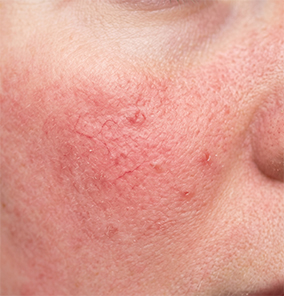
Post-inflammatory hyperpigmentation (PIH) refers to dark marks that develop on the skin after inflammation or injury. 


These marks appear when the skin produces excess melanin during the healing process following inflammation. 


PIH commonly appears as brown or dark spots that remain after the original skin condition has resolved. 


Common situations where PIH may occur include: 

  • acne breakouts 
  • insect bites 
  • skin irritation or injury 
  • certain cosmetic procedures 
  • inflammatory skin conditions 


Individuals with medium to darker skin tones, including many Asian skin types, may be more prone to developing PIH.


Although PIH is not harmful, many individuals seek treatment to improve overall skin clarity and achieve a more even skin tone. 

What Causes Post-Inflammatory Hyperpigmentation?

PIH occurs when inflammation triggers melanocytes to produce excess melanin as part of the skin’s healing response. 


Several factors may contribute to the development of PIH. 

Skin Inflammation

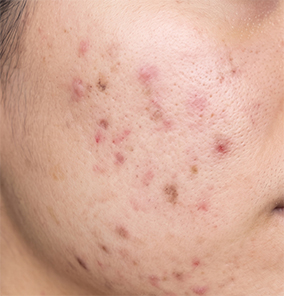
Inflammatory skin conditions such as acne are one of the most common causes of PIH.

When inflammation occurs within the skin, melanocytes may produce excess pigment during the healing process.
Skin Injury or Irritation

PIH may develop after skin irritation, trauma, or certain cosmetic treatments.
Skin Type

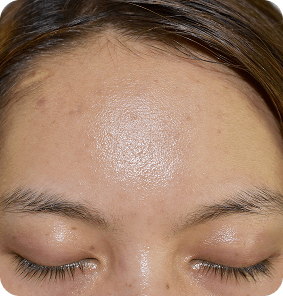
Individuals with darker skin types tend to have more active melanocytes and may be more prone to developing pigmentation after inflammation.
Sun Exposure

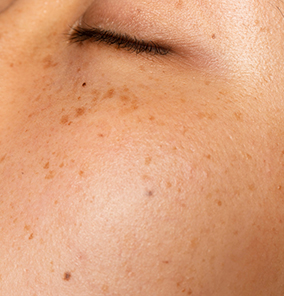
Ultraviolet radiation may worsen PIH by stimulating additional melanin production.

Regular use of broad-spectrum sunscreen helps reduce UV-related stimulation of pigment production.

How Treatments for PIH Work

Treatments for post-inflammatory hyperpigmentation typically focus on improving skin tone through several mechanisms.

Reducing Excess Pigment

Certain laser technologies may help break down pigment particles within the skin so they can gradually be cleared.

Supporting Skin Renewal

Treatments that support skin turnover may help remove pigmented skin cells from the surface of the skin.

Supporting Skin Recovery

Regenerative therapies may help support the skin’s ability to recover from inflammation and maintain balance.

Preventing Further Pigmentation

Preventing new pigmentation from developing is an important part of PIH management.

Sun protection helps reduce UV stimulation of melanocytes and supports the results of pigmentation treatments.

Protecting the Skin

Preventing further pigmentation often involves protecting the skin from ultraviolet exposure and maintaining overall skin health.

Treatments Offered for Post-Inflammatory Hyperpigmentation

Treatment approaches are tailored depending on the depth and severity of pigmentation present. 

Pico Laser Treatments

Pico laser technology delivers short pulses of energy that target pigment particles within the skin. 


These treatments may help support gradual improvement in: 

  • post-acne pigmentation 
  • uneven skin tone 
  • overall skin clarity 

Chemical Peels

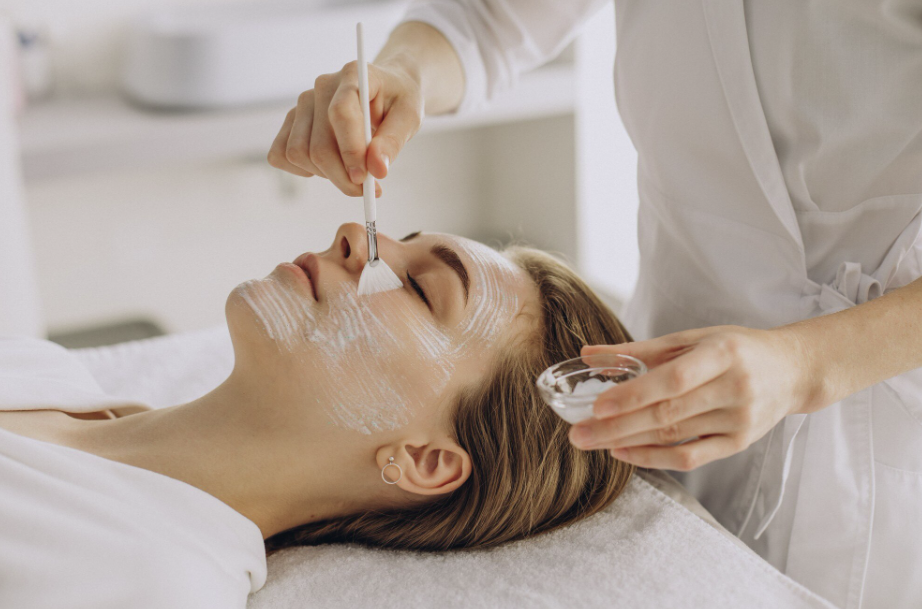
Chemical peels support epidermal turnover, allowing pigmented skin cells to be gradually removed from the skin surface. 


These treatments may help improve superficial pigmentation and enhance skin brightness. 

CLEO ExoPeel

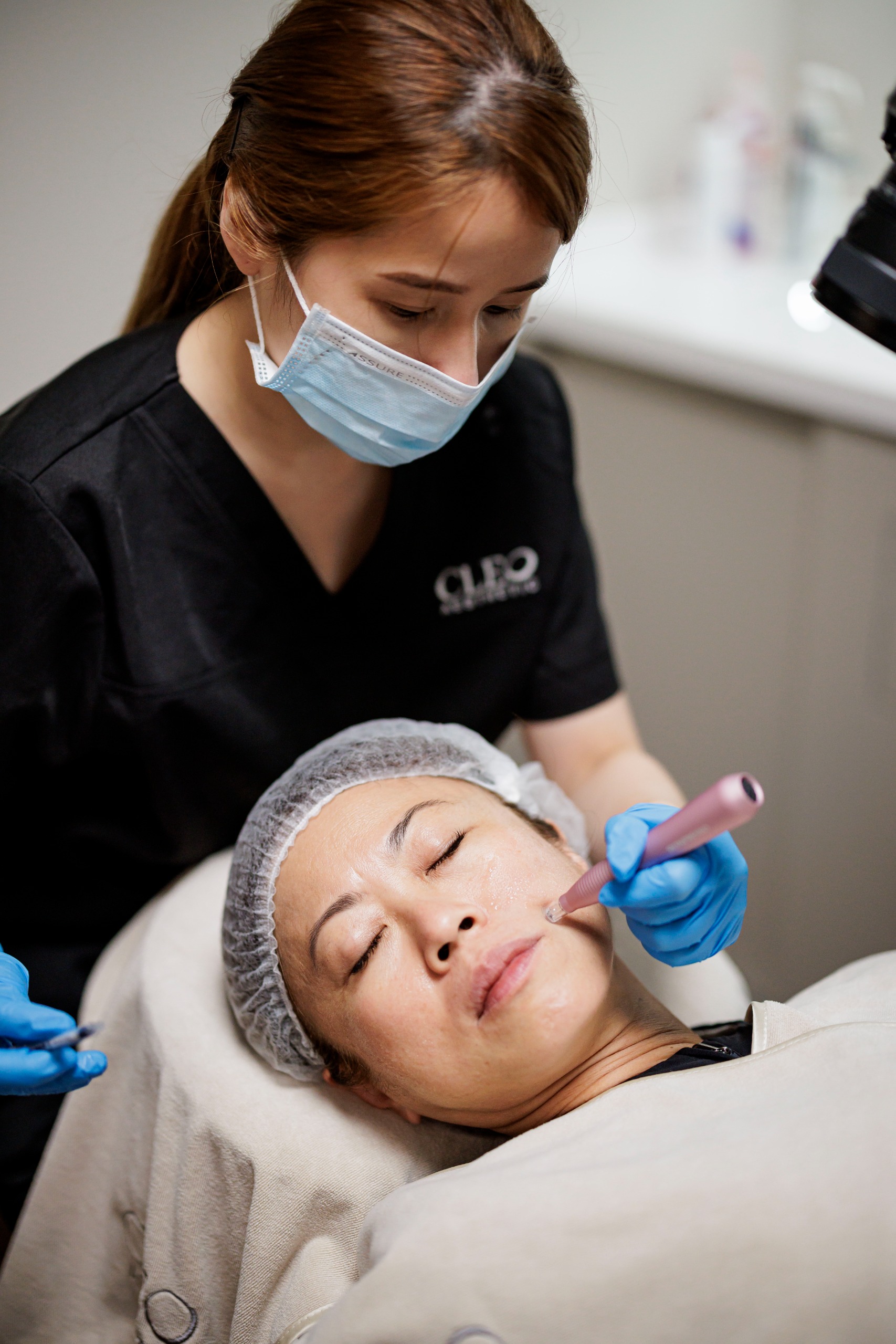
The CLEO ExoPeel is a multi-step treatment designed to support gentle skin renewal while promoting skin recovery. 


This treatment combines: 

  • chemical exfoliation 
  • light microneedling 
  • topical regenerative serum infusion 
  • calming skin recovery


This combination may help support: 

  • improved skin brightness 
  • smoother skin texture 
  • improved skin clarity following inflammation 

Skin Recovery Treatments 

Treatments that support skin recovery and regeneration, such as salmon polynucleotide (PN) treatments or bio-remodelling hyaluronic acid injections may sometimes be used to support skin recovery following inflammation. 


These treatments are designed to improve: 

  • skin hydration 
  • dermal repair processes 
  • overall skin quality 


Supporting skin recovery may help improve overall skin appearance after inflammatory skin conditions such as acne. 


These approaches may be incorporated into treatment plans depending on the individual’s skin condition. 

Benefits of PIH Treatments

Patients undergoing treatment for post-inflammatory hyperpigmentation may experience improvements such as: 

Results vary depending on the depth of pigmentation and the treatment approach used. 

Who Can Benefit from PIH Treatment?

Treatment for post-inflammatory hyperpigmentation may be suitable for individuals who experience: 

A consultation allows the doctor to assess the skin condition and recommend appropriate treatment options. 

What to Expect During Treatment

Treatment plans are tailored based on the severity and depth of pigmentation. 

Initial Consultation

During the consultation, the doctor will assess the pigmentation and identify possible causes of inflammation.

Treatment Sessions

Treatment sessions may involve laser treatments, chemical peels, or skin renewal procedures designed to improve pigmentation.

Gradual Improvement

Pigmentation usually improves gradually as pigmented skin cells are removed through natural skin turnover.

Multiple sessions may be recommended depending on the severity of pigmentation.

Maintenance and Prevention

Because PIH may worsen with sun exposure, consistent sun protection is an important part of maintaining treatment results.

Using sunscreen regularly helps reduce the risk of new pigmentation developing.

Possible Side Effects and Considerations

Temporary effects may occur depending on the treatments performed. 

Possible effects may include: 

Mild redness

temporary darkening of pigmentation before improvement

skin sensitivity following treatment

Protecting the skin from ultraviolet radiation is particularly important when treating PIH. 


Regular use of broad-spectrum sunscreen helps reduce the risk of further pigmentation. 

Frequently Asked Questions About PIH

How is PIH different from melasma?

Post-inflammatory hyperpigmentation develops after inflammation or injury to the skin. 

Melasma, on the other hand, is usually influenced by hormonal factors and sun exposure. 

Yes. Acne is one of the most common causes of post-inflammatory hyperpigmentation. 


Dark marks may remain after acne lesions heal. 

Some PIH marks may gradually fade over time, although this process can take several months.


Treatments may help improve skin tone and speed up the fading process. 

Yes. Sun exposure can worsen pigmentation by stimulating melanocytes to produce more pigment. 


Regular use of broad-spectrum sunscreen helps protect the skin and may reduce the risk of worsening pigmentation. 

If new inflammation occurs in the skin, such as acne or irritation, new pigmentation marks may develop. 


Managing the underlying cause of inflammation may help reduce recurrence. 

Managing Post-Inflammatory Pigmentation for Healthier Skin Tone

Post-inflammatory hyperpigmentation is a common skin concern that may occur after inflammation or irritation.

At CLEO Aesthetic, treatment plans focus on improving skin tone while supporting long-term skin stability and skin health.

Consistent sun protection and appropriate skin care play an important role in preventing further pigmentation.

A consultation can help determine the most appropriate treatment approach for your skin concerns.