HOME / SKIN GYM /REDNESS, ROSACEA & POST-INFLAMMATORY ERYTHEMA
Redness, Rosacea & Post-Inflammatory Erythema Treatment
Understanding Facial Redness and How Skin Tone Can Be Improved
What Is Facial Redness?
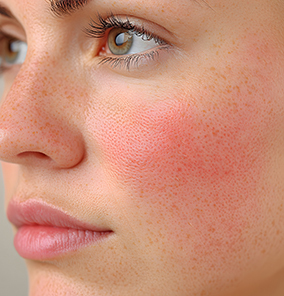
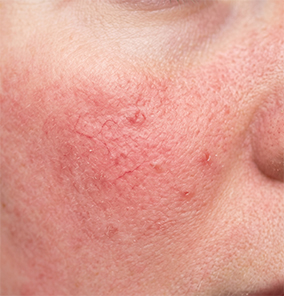
Facial redness refers to visible redness or flushing of the skin, which may occur due to increased blood flow or visible blood vessels within the skin.
Some individuals experience occasional redness, while others may develop persistent redness affecting areas such as:
- cheeks
- nose
- chin
- forehead
Redness may also appear after inflammation in the skin, such as following acne.
When redness becomes more noticeable or persistent, it may affect overall skin tone and make the complexion appear uneven.
What Causes Facial Redness?
Several factors may contribute to redness within the skin.

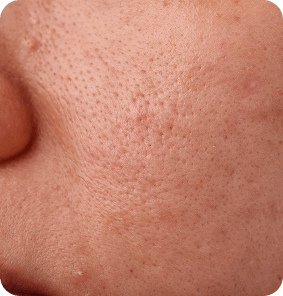
Rosacea
Rosacea is a chronic skin condition that may cause facial redness, flushing, and visible blood vessels.
Post-Inflammatory Erythema
After acne or other inflammatory skin conditions, some individuals develop red marks that remain after the original lesion has healed.
This is known as post-inflammatory erythema.
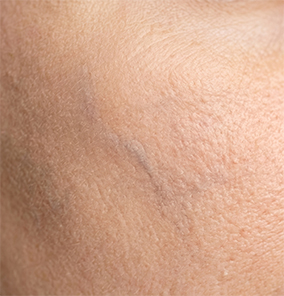
Visible Blood Vessels
Dilated blood vessels near the skin surface may contribute to persistent redness.
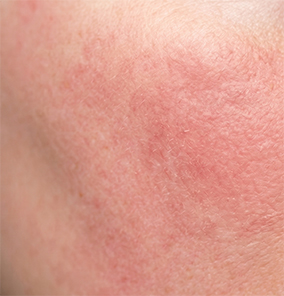
Skin Sensitivity and Barrier Disruption
When the skin barrier becomes weakened, the skin may become more reactive to environmental triggers, leading to redness or irritation.

Environmental Triggers
Factors such as sun exposure, heat, alcohol, spicy foods, and stress may trigger or worsen redness in some individuals.
Protecting the skin from ultraviolet radiation may help reduce irritation and prevent worsening of redness.
How Treatments for Redness Work
Treatments for redness focus on improving vascular tone and skin stability.
Targeting Visible Blood Vessels
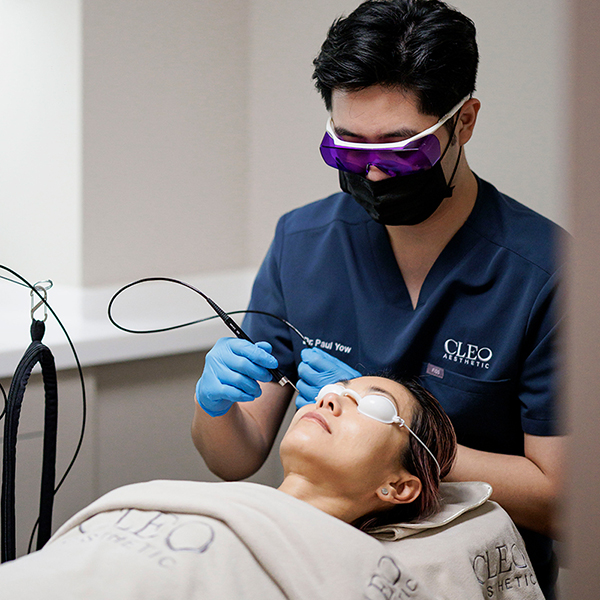
Certain laser technologies target blood vessels within the skin, helping reduce visible redness.
Supporting Skin Barrier Function
Improving skin barrier health may help reduce sensitivity and irritation.
Supporting Skin Recovery
Regenerative treatments may help support skin healing following inflammation.
Reducing Triggers
Protecting the skin from environmental triggers, including ultraviolet radiation, may help maintain more stable skin tone.
Treatments Offered for Redness
Treatment plans are tailored depending on the underlying causes of redness.
Yellow Laser Treatments
Yellow laser treatments target blood vessels within the skin.
These treatments may help improve:
- facial redness
- rosacea-related redness
- post-inflammatory erythema following acne
- visible blood vessels
By targeting vascular components within the skin, yellow laser treatments may help improve overall skin tone.
Skin Barrier and Recovery Treatments
When redness is associated with skin sensitivity or inflammation, treatments that support the skin barrier may help improve skin stability.
Supporting skin barrier function may help reduce irritation and improve overall skin comfort.
Salmon Polynucleotide (PN) Skin Boosters
Salmon polynucleotide skin boosters are regenerative treatments designed to support skin repair and recovery.
These treatments may help improve:
- skin resilience
- recovery following inflammation
- overall skin quality
Supporting skin recovery may complement treatments that address redness.
Dermal Quality and Skin Support Treatments
Certain injectable treatments may be used to support skin hydration and dermal structure, which may help improve overall skin resilience.
Examples include bio-remodelling hyaluronic acid injections and Type I collagen skin boosters.
These treatments are designed to support:
- dermal hydration
- collagen structure within the skin
- overall skin quality
Improving dermal health may complement treatments that address redness by supporting a more stable skin environment.
Benefits of Redness Treatments
Patients undergoing treatment for redness may experience improvements such as:
- reduced visible redness
- improved overall skin tone
- calmer skin appearance
- improved skin comfort
Results vary depending on the underlying causes of redness.
Who Can Benefit from Redness Treatment?
Treatment may be suitable for individuals who experience:
- persistent facial redness
- rosacea-related redness
- red marks after acne
- visible blood vessels affecting skin tone
A consultation allows the doctor to assess the skin condition and recommend appropriate treatment options.
What to Expect During Treatment
Treatment plans are personalised based on the causes and severity of redness.
Initial Consultation
The doctor will assess the skin to determine whether redness is related to vascular changes, inflammation, or skin sensitivity.
Treatment Sessions
Treatment sessions may involve laser treatments or skin recovery therapies designed to improve redness and stabilise skin tone.
Gradual Improvement
Redness may improve gradually over several treatment sessions depending on the underlying condition.
Maintenance and Prevention
Avoiding known triggers and protecting the skin from ultraviolet radiation may help maintain treatment results.
Regular sun protection helps reduce irritation and support long-term skin health.
Possible Side Effects and Considerations
Temporary effects may occur depending on the treatments performed.
Possible effects may include:
mild redness after treatment
temporary swelling
skin sensitivity following treatment
Protecting the skin from ultraviolet radiation is important when managing redness, as sun exposure may worsen skin irritation.
Regular use of broad-spectrum sunscreen may help protect the skin and support treatment results.
Frequently Asked Questions About Facial Redness
Is redness the same as rosacea?
Not all redness is caused by rosacea. Some individuals develop redness due to inflammation, visible blood vessels, or skin sensitivity.
A consultation can help determine the underlying cause.
What is post-inflammatory erythema?
Post-inflammatory erythema refers to red marks that remain after inflammatory skin conditions such as acne have healed.
These marks are caused by changes in blood vessels within the skin.
Can lasers help treat redness?
Certain laser technologies target blood vessels within the skin and may help improve visible redness.
Treatment approaches depend on the underlying cause of redness.
Does sunscreen help reduce redness?
Sun exposure may worsen redness and irritation in some individuals.
Regular use of broad-spectrum sunscreen helps protect the skin and may help reduce flare-ups.
How many treatments are required?
The number of treatments varies depending on the cause and severity of redness.
A personalised treatment plan can help determine appropriate treatment intervals.
Improving Skin Tone by Addressing Redness
Facial redness is a common concern that may result from vascular changes, inflammation, or skin sensitivity.
At CLEO Aesthetic, treatment plans focus on improving skin tone while supporting long-term skin stability and skin health.
A consultation can help determine the most appropriate treatment approach for your skin concerns.