HOME / SKIN GYM / MELASMA
Melasma
Understanding Hormonal Pigmentation and How Skin Tone Can Be Managed
What Is Melasma?
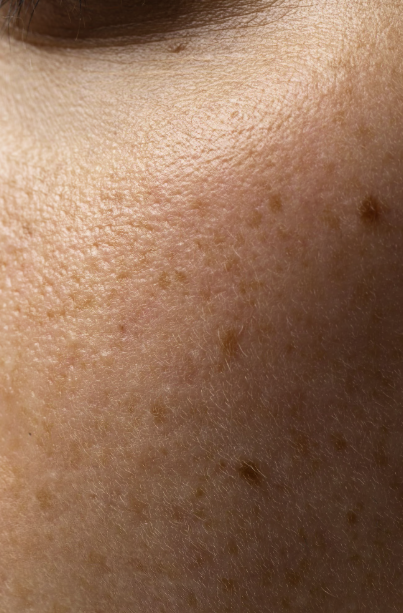
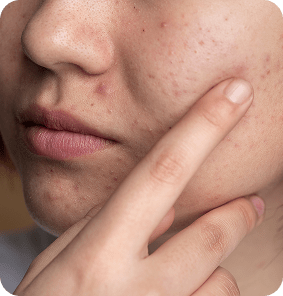
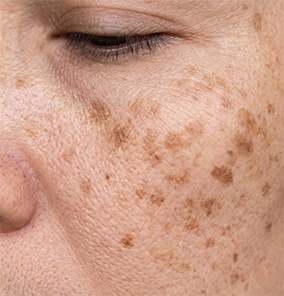
Melasma is a common form of hyperpigmentation that appears as patchy brown or greyish pigmentation on the skin, most commonly affecting the cheeks, forehead, nose, and upper lip.
Unlike some other types of pigmentation, melasma often appears in larger patches rather than individual spots.
This condition is more commonly seen in individuals with medium to darker skin tones, including many Asian skin types.
Melasma may fluctuate over time and may become more noticeable with sun exposure, hormonal influences, or heat.
Because of these factors, melasma is often managed as a long-term skin condition that may require ongoing care.
What Causes Melasma?
Melasma develops when pigment-producing cells known as melanocytes produce excess melanin within the skin.
Several factors may contribute to this process.

Hormonal Influences
Hormonal changes are one of the most common triggers of melasma. This may occur during pregnancy or with hormonal medications.
Sun Exposure
Ultraviolet radiation stimulates melanin production and is one of the main factors that can worsen melasma.
Because UV radiation is a major trigger, regular sun protection is one of the most important ways to reduce the risk of developing new pigmentation.
Heat and Environmental Factors
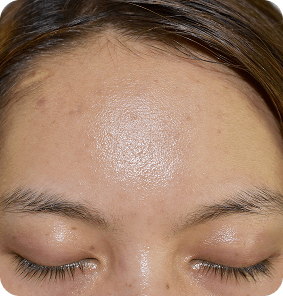
Heat exposure may stimulate melanocytes and contribute to increased pigmentation.

Genetic Predisposition
Some individuals may be more prone to melasma due to genetic factors.
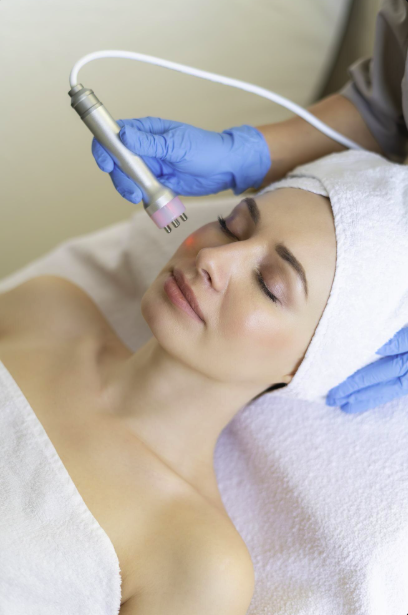
Because melasma is influenced by several triggers, treatment approaches often focus on both pigment reduction and prevention of recurrence.
Treatments for melasma typically aim to address several aspects of pigmentation and skin health.
Reducing Excess Pigment
Certain treatments help target pigment particles within the skin, allowing them to gradually be cleared by the body.
Supporting Skin Renewal
Treatments that encourage skin turnover may help remove pigmented skin cells and improve skin clarity.
Supporting Skin Recovery
Regenerative treatments may help support the skin’s ability to recover and maintain balance following treatment.
Preventing Further Pigmentation
Protecting the skin from UV exposure is an important component of pigmentation management.
Preventing Further Pigmentation
Protecting the skin from UV exposure is an important component of pigmentation management.
Regular use of broad-spectrum sunscreen helps reduce UV stimulation of melanocytes and may help prevent the development of new pigmentation spots.
Treatments That May Help Improve Melasma
At CLEO Aesthetic, treatment options are selected based on the individual’s skin condition and pigmentation pattern.
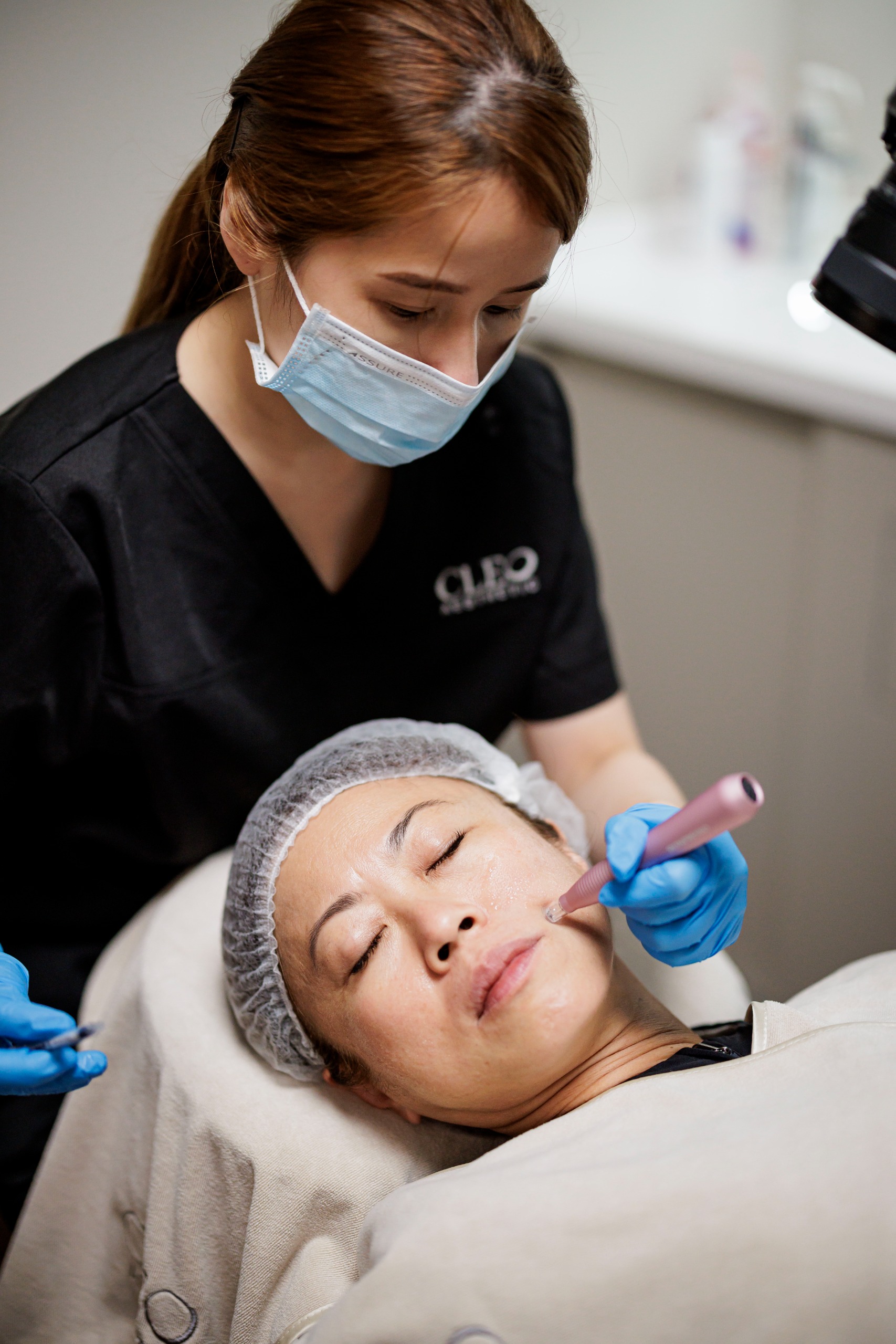
Pico Laser Treatments
Pico laser technology delivers short pulses of energy that target pigment particles within the skin.
These treatments may help support gradual improvement in pigmentation and overall skin tone.
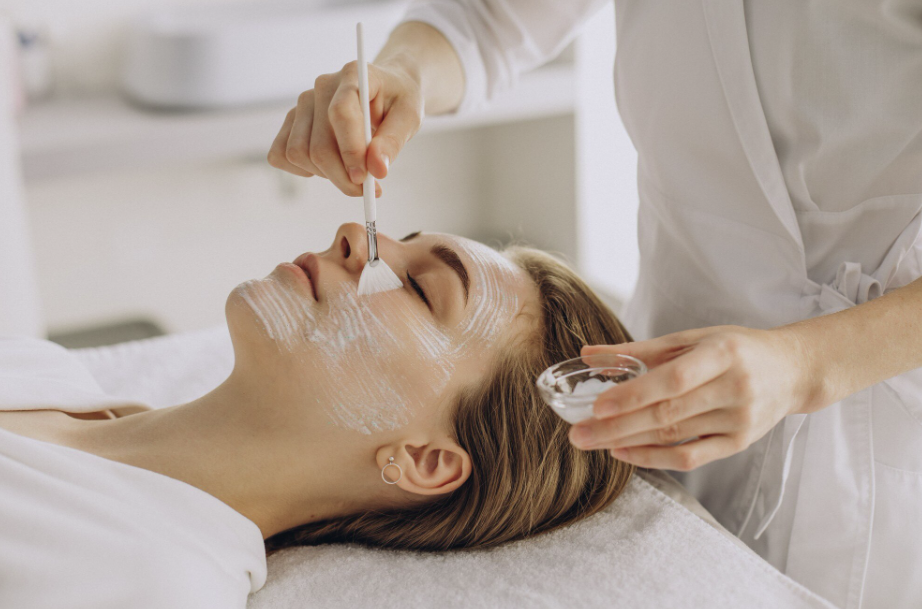
Chemical Peels
Chemical peels help improve epidermal turnover, allowing pigmented skin cells to be gradually removed from the skin surface.
These treatments may support improvements in skin tone and clarity.
CLEO ExoPeel
The CLEO ExoPeel combines chemical exfoliation with regenerative treatment steps designed to support gentle skin renewal and recovery.
This treatment may help support:
- improved skin brightness
- smoother skin texture
- healthier skin turnover
Skin Health and Regenerative Treatments
Some treatments may be used to support overall skin health during melasma management.
Regenerative skin treatments and skin boosters such as salmon polynucleotide (PN) treatments or bio-remodelling hyaluronic acid injections may help improve hydration, support skin barrier function, and enhance overall skin quality.
While these treatments do not directly remove pigmentation, improving skin health may help the skin respond better to pigmentation treatments and reduce irritation that can sometimes worsen melasma.
These treatments may be incorporated into a personalised treatment plan depending on individual skin needs.
Oral and Topical Medications
In some cases, medications may be used to help manage melasma.
Certain medications may help regulate pigment production within the skin.
These medications are prescribed only after appropriate medical assessment and may be used alongside other treatments as part of a comprehensive management plan.
Benefits of Melasma Treatments
Patients undergoing melasma treatment may experience improvements such as:
- reduction in visible pigmentation patches
- improved skin clarity
- more even skin tone
- smoother skin texture
Because melasma may be influenced by multiple triggers, results may vary between individuals.
Who May Benefit From Melasma Treatment?
Melasma treatment may be suitable for individuals who experience:
- patchy facial pigmentation
- pigmentation that worsens with sun exposure
- pigmentation influenced by hormonal factors
- uneven skin tone caused by melasma
A consultation allows the doctor to assess the skin condition and recommend appropriate treatment options.
What to Expect During Melasma Treatment
Melasma management often involves a gradual and personalised treatment approach.
Initial Consultation
During the consultation, the doctor will assess the type and pattern of pigmentation present. This helps guide treatment selection.
Treatment Sessions
Depending on the treatment plan, sessions may involve laser treatments, skin renewal procedures, or other therapies designed to improve pigmentation.
Gradual Improvement
Melasma usually improves gradually over time as pigment is reduced and skin turnover removes pigmented cells.
Multiple sessions may be recommended depending on the severity of the pigmentation.
Maintenance and Prevention
Because melasma may recur, maintenance strategies such as sun protection and appropriate skincare are important to help maintain results.
Possible Side Effects and Considerations
Temporary effects may occur depending on the treatments performed.
Possible effects may include:
Mild redness
temporary darkening of pigmentation before improvement
skin sensitivity following treatment
Melasma may also recur over time if underlying triggers remain present.
Sun protection and appropriate skincare are important components of melasma management.
Frequently Asked Questions About Melasma
Can melasma be completely cured?
Melasma is often considered a chronic pigmentation condition. Treatments aim to improve the appearance of pigmentation and help maintain clearer skin tone, but ongoing management may sometimes be required.
Why is sunscreen important for melasma?
Sun exposure is one of the main triggers that stimulates melanin production.
Regular use of broad-spectrum sunscreen helps reduce UV stimulation of melanocytes and may help prevent worsening of melasma.
Can medication help with melasma?
In some cases, certain medications may be prescribed to help regulate pigment production.
These medications are used only after medical assessment and may be incorporated into a broader treatment plan when appropriate.
How long does melasma treatment take?
Improvement often occurs gradually over several treatment sessions.
The timeline varies depending on the severity of melasma and the treatment methods used.
Can melasma return after treatment?
Melasma may recur if triggers such as sun exposure or hormonal influences continue to stimulate pigment production.
Maintenance treatments and sun protection may help reduce recurrence.
Managing Melasma for Healthier Skin Tone
Melasma is a common form of pigmentation that may require thoughtful and consistent management.
At CLEO Aesthetic, treatment plans focus on improving skin tone while supporting long-term skin stability and skin health.
A consultation can help determine the most appropriate treatment approach for your skin concerns.