
HOME / SKIN GYM / SKIN LAXITY & SAGGING SKIN
Skin Laxity & Sagging Skin Treatment
Supporting Skin Firmness and Facial Structure
What Is Skin Laxity?
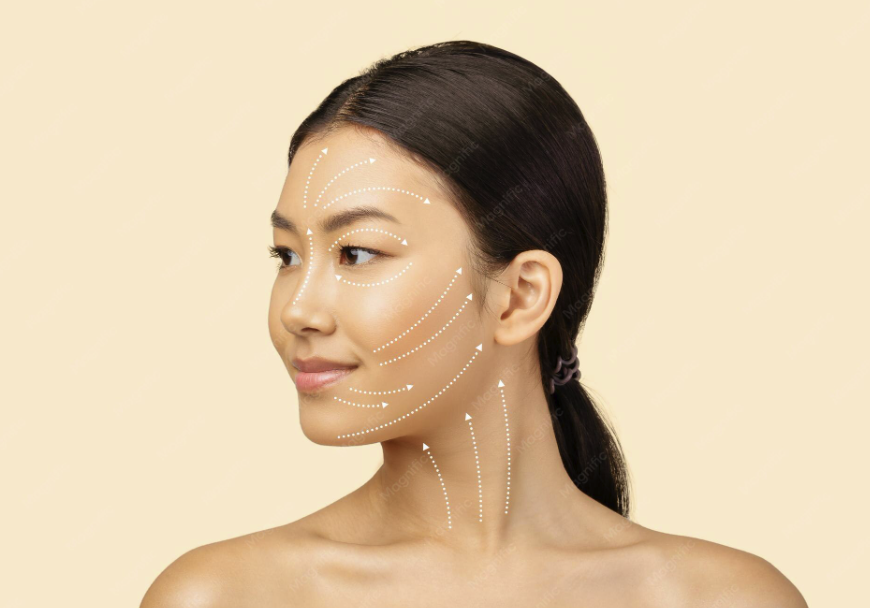
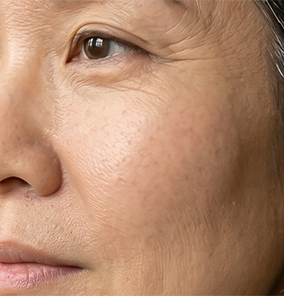
Skin laxity refers to a gradual loss of firmness and elasticity in the skin. As the skin’s structural support weakens, it may begin to appear looser or less lifted.
This change may occur gradually over time as collagen and elastin within the skin decline.
Skin laxity commonly affects areas such as:
- the cheeks
- the jawline
- the lower face
- the neck
These changes may contribute to reduced facial definition or a softer facial contour.
What Causes Skin Laxity?
Several biological factors contribute to the development of skin laxity.

Collagen Decline
Collagen is a key structural protein within the skin. As collagen production gradually decreases with age, the skin may lose firmness and structural support.
Reduced Skin Elasticity
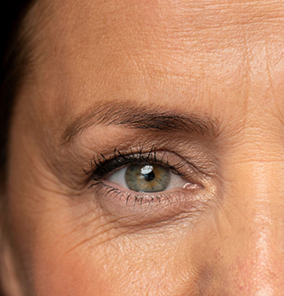
Elastin fibres help the skin return to its original shape after stretching. Over time, reduced elastin may contribute to looser skin.
Changes in Facial Support Structures
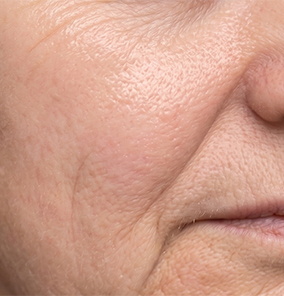
Changes in deeper facial tissues may influence how the skin sits on the face, contributing to visible sagging.
Environmental Factors
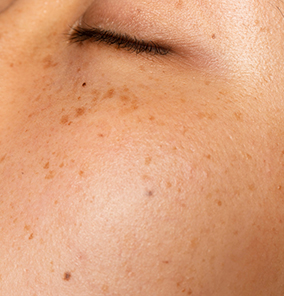
Sun exposure and environmental stress may accelerate collagen breakdown and contribute to skin laxity.
Because these factors occur together, treatments often focus on supporting collagen production, dermal structure, and skin quality.
How Treatments for Skin Laxity Work
Treatments for skin laxity aim to support the skin’s natural structural support systems.
Dermal Collagen Stimulation
Certain treatments stimulate collagen production within the dermis, helping improve skin firmness and elasticity over time.
Skin Tightening
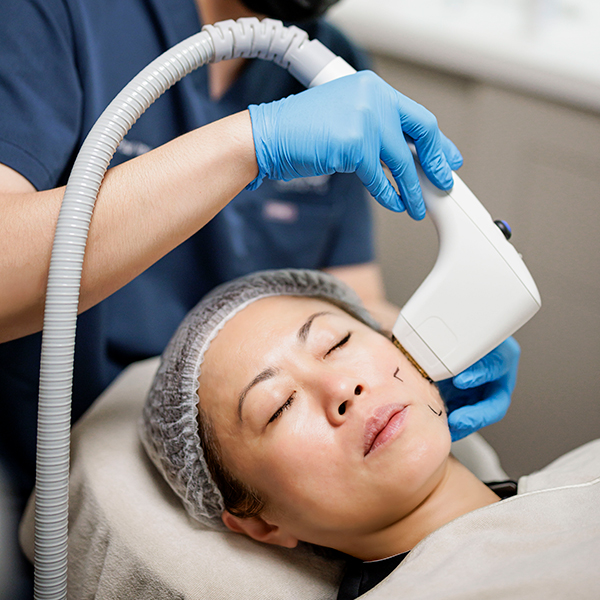
Energy-based technologies may help stimulate collagen remodelling within the skin, supporting improved skin structure.
Structural Tissue Support
Some injectable treatments support dermal structure or superficial tissue support, helping improve skin quality and firmness.
By targeting different depths within the skin, treatments may help support improved skin firmness and facial structure.
Some treatments focus on tightening the skin itself, while others support deeper tissue structure or improve dermal quality.
Treatments Offered for Skin Laxity
Treatment approaches are selected depending on the individual’s skin condition and treatment goals.
Sofwave Skin Tightening
Sofwave uses ultrasound technology designed to stimulate collagen production within the mid-dermis of the skin.
Because the treatment focuses on the dermal layer, it may help support improvements in:
- skin firmness
- skin elasticity
- mild to moderate skin laxity
Sofwave is often selected when the goal is to improve skin tightening while maintaining natural facial volume.
Doublo 2.0 Lifting Technology
Doublo 2.0 combines focused ultrasound with radiofrequency energy to target deeper layers of facial tissue.
This treatment may support structural lifting and contour definition, particularly in areas such as the lower face or jawline.
By reaching deeper tissue layers, the treatment may help improve overall facial support and contour.
PLLA Biostimulator
PLLA biostimulators are injectable treatments designed to stimulate the skin’s natural collagen production.
Unlike traditional fillers that provide immediate volume, PLLA works gradually by encouraging new collagen formation within the skin.
This process may help support:
- improved skin thickness
- improved skin firmness
- improved dermal structure
Improvements develop progressively as collagen production increases.
Type I Collagen Skin Booster
Type I collagen skin boosters introduce purified collagen into the dermis to support skin structure and collagen remodelling.
These treatments aim to improve:
- dermal support
- skin elasticity
- overall skin texture
Type I collagen boosters are often used to improve skin quality while supporting dermal strength.
Bio-Remodelling HA
Bio-remodelling hyaluronic acid treatments are designed to improve skin hydration and dermal quality.
Unlike traditional fillers, these treatments distribute hyaluronic acid broadly within the skin to support hydration and tissue remodelling.
Improved hydration and dermal support may help improve:
- skin elasticity
- skin texture
- fine lines associated with skin laxity
These treatments are often used to complement collagen-stimulating or tightening treatments.
Structural-Remodelling HA
Structural-remodelling hyaluronic acid treatments are designed to support tissue structure in areas affected by volume or structural changes.
By supporting superficial tissue compartments, these treatments may help improve facial support and skin structure in selected areas.
They may be incorporated into treatment plans where both skin laxity and structural support are contributing to facial changes.
Benefits of Skin Laxity Treatments
Patients undergoing treatment for skin laxity may experience improvements such as:
- improved skin firmness
- improved skin elasticity
- improved facial contour
- improved skin quality
Results vary depending on the individual’s skin condition and treatment approach.
Who Can Benefit from Skin Laxity Treatment?
Treatment may be suitable for individuals who experience:
- loose or sagging skin
- reduced skin firmness
- early signs of skin ageing
- changes in facial contour due to skin laxity
A consultation allows the doctor to assess the skin and recommend appropriate treatment options.
What to Expect During Treatment
Initial Consultation
The doctor will examine the skin and assess the degree of skin laxity.
Personalised Treatment Planning
Treatment recommendations are based on the patient’s skin condition and desired outcome.
Treatment Session
Treatments may involve energy-based technologies or injectable therapies designed to support skin structure.
Gradual Improvement
Because collagen production occurs gradually, improvements in skin firmness may develop progressively over time.
Possible Side Effects and Considerations
Temporary effects may occur depending on the treatments performed.
Possible effects may include:
Mild redness
temporary swelling
mild tenderness at treatment sites
These effects are usually temporary and resolve as the skin recovers.
During consultation, the doctor will assess the skin and determine whether treatment is appropriate.
Frequently Asked Questions
What causes sagging skin?
Sagging skin is commonly associated with collagen decline and reduced skin elasticity.
Can non-surgical treatments improve skin laxity?
Certain treatments aim to support collagen production and skin tightening, which may help improve skin firmness.
Are combination treatments helpful?
Different treatments may work through complementary mechanisms. In some cases, a combination approach may be considered depending on the individual’s skin condition.
How long does it take to see results?
Some treatments provide gradual improvements as collagen production develops over time.
Supporting Skin Firmness and Structural Balance
Skin laxity is a common concern associated with changes in collagen, elasticity, and skin structure.
At CLEO Aesthetic, treatment plans are designed to support skin firmness while maintaining natural facial balance.
A consultation can help determine which treatments may be appropriate for improving skin firmness and facial contour.