
HOME / SKIN GYM /POST-PROCEDURE RECOVERY SUPPORT
Post-Procedure Recovery Support
Supporting Smooth Skin Recovery After Aesthetic Treatments
What Is Post-Procedure Recovery?
Many aesthetic treatments work by stimulating the skin’s natural repair processes. After certain procedures, the skin may temporarily experience redness, dryness, sensitivity, or mild inflammation as part of the normal healing process.
Post-procedure care focuses on supporting the skin during this recovery phase. Appropriate aftercare may help improve comfort, support the skin barrier, and allow the skin to recover smoothly following treatment.
Following recommended aftercare instructions is an important part of achieving optimal treatment outcomes.
Why Skin Recovery Is Important
After aesthetic procedures, the skin may temporarily become more sensitive as it begins to repair and regenerate.
Several factors may contribute to temporary skin changes during this period.

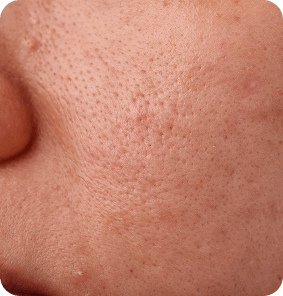
Skin Barrier Disruption
Some procedures temporarily affect the outer skin barrier, which may lead to dryness or increased sensitivity during recovery.
Controlled Inflammation
Certain treatments intentionally stimulate mild inflammation in order to activate collagen production and skin renewal.
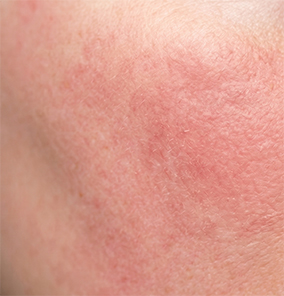
Increased Skin Sensitivity
During the healing phase, the skin may become more reactive to environmental factors such as sun exposure or harsh skincare products.
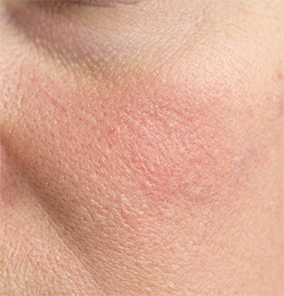
Skin Renewal
Procedures that stimulate skin turnover may cause temporary redness or mild peeling as the skin regenerates.
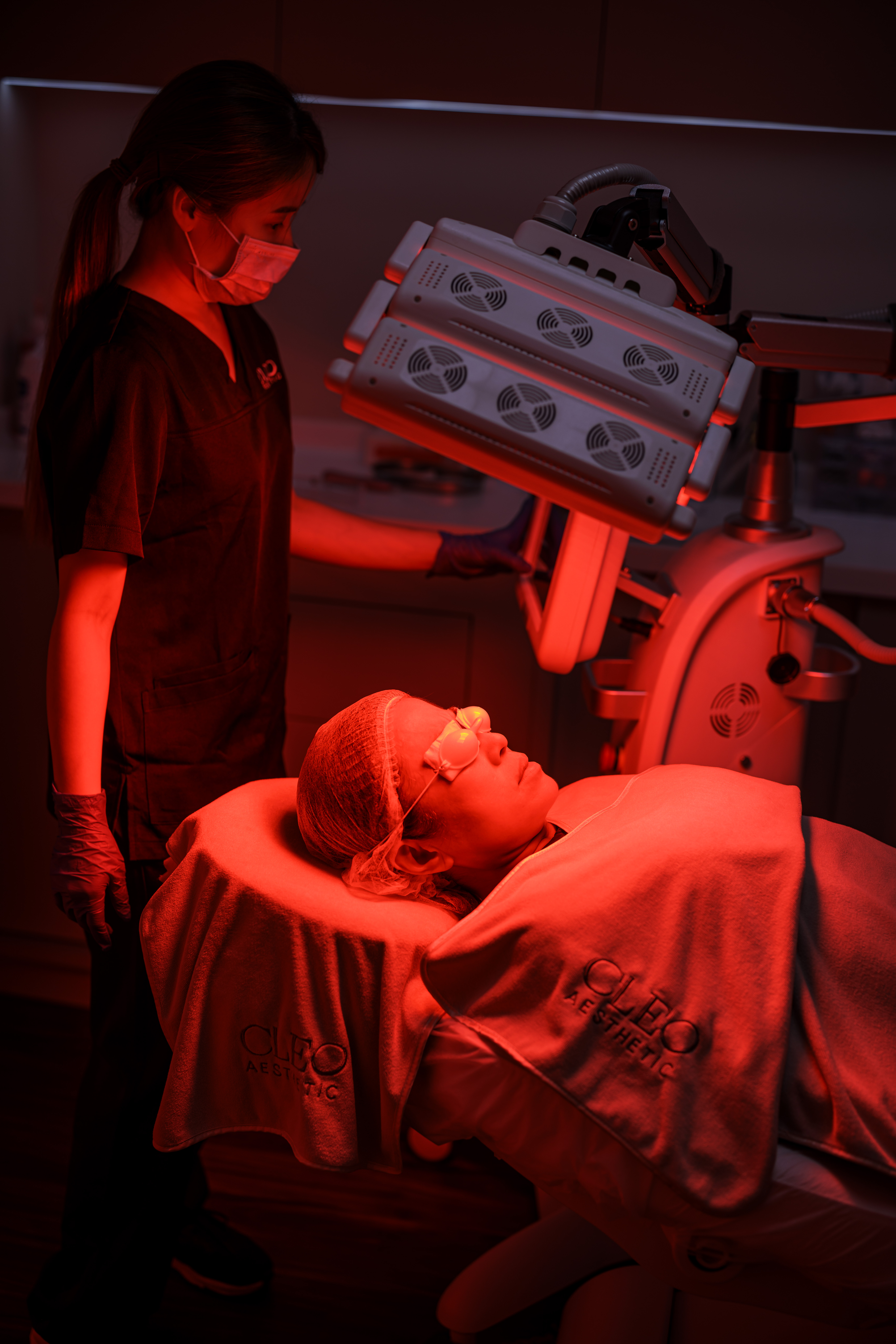
Supporting the skin during this recovery phase may help maintain comfort and allow the skin to heal effectively.
How to Support Skin Recovery After Treatments
Although aftercare instructions may vary depending on the procedure performed, several general principles may help support smooth skin recovery.
Follow Your Doctor's Instructions
Different procedures may require specific aftercare recommendations. Following the doctor’s instructions helps support optimal healing and treatment results.
Maintain Gentle Skincare
During the recovery phase, gentle skincare products are often recommended to help minimise irritation.
Patients are commonly advised to temporarily avoid stronger active ingredients such as:
- retinoids
- exfoliating acids
- strong scrubs or abrasive products
These products may usually be reintroduced gradually once the skin has recovered.
Maintain Skin Hydration
Keeping the skin well moisturised may help support the skin barrier and improve comfort during recovery.
Hydrating products may help reduce tightness or dryness that may occur after certain procedures.
Use Recommended Recovery Products
Depending on the treatment performed, doctors may sometimes recommend recovery products to support healing.
These may include:
- soothing recovery creams
- topical steroid creams for short-term inflammation control
- scar management gels when appropriate
- arnica products to support recovery from bruising
These products should only be used according to medical advice.
Sun Protection and Sun Avoidance
Sun protection is particularly important after aesthetic treatments.
During recovery, the skin may be more sensitive to ultraviolet (UV) exposure. Regular use of sunscreen and avoiding excessive sun exposure may help protect the skin and reduce the risk of pigmentation changes.
Avoid Excessive Heat and Friction
During the early recovery phase, patients are often advised to avoid activities that may irritate the skin, such as:
- excessive heat exposure
- vigorous exercise immediately after certain procedures
- rubbing or scratching treated areas
Allowing the skin to recover gradually helps support optimal healing.
Supportive Treatments for Skin Recovery
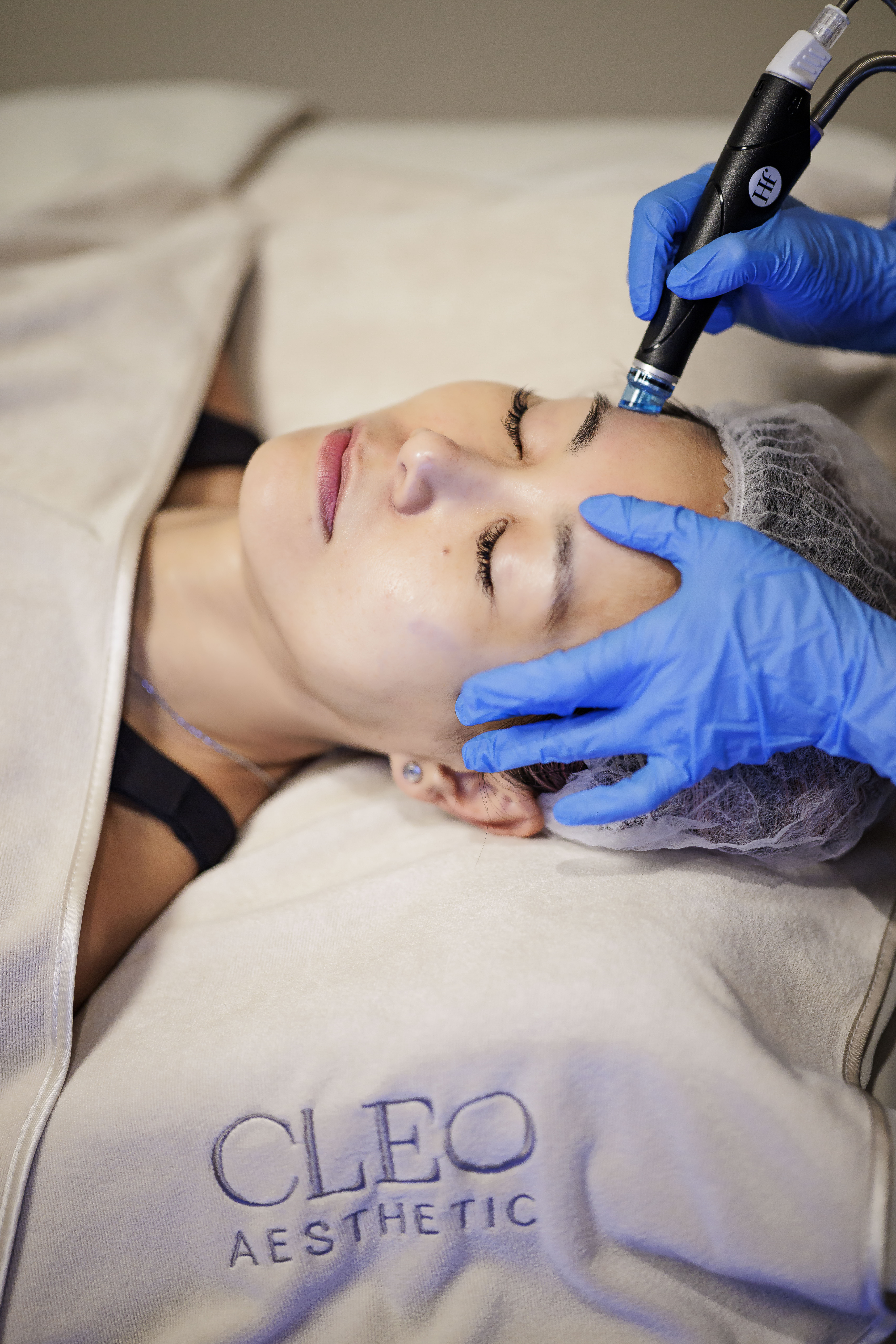
In some situations, gentle treatments may be used to support the skin during recovery. These treatments are selected carefully to avoid further irritation to the skin.
LED Light Therapy
Medical-grade LED therapy may support the skin’s natural repair processes while remaining gentle on recovering skin.
Hydration and Soothing Treatments
Hydration-focused treatments or calming masks may sometimes be used to improve skin comfort during the recovery phase.
Regenerative Skin Support
Certain regenerative therapies may be incorporated into treatment plans to support skin repair following procedures.
The doctor will determine whether these treatments are appropriate depending on the individual’s skin condition and the procedure performed.
Benefits of Proper Post-Procedure Care
Appropriate aftercare may help support:
- improved skin comfort
- smoother recovery
- improved skin barrier support
- optimal treatment outcomes
Recovery experiences may vary depending on the individual and the procedure performed.
Who Should Pay Attention to Recovery Care?
Recovery care is important for individuals undergoing procedures such as:
- laser treatments
- microneedling procedures
- injectable treatments
- skin resurfacing procedures
Following appropriate aftercare recommendations may help support safe and effective recovery.
What to Expect During the Recovery Period
Initial Healing Phase
The skin may appear slightly red or sensitive shortly after certain treatments.
Gradual Skin Recovery
Over the following days, the skin typically begins to recover as the skin barrier and tissue repair processes normalise.
Ongoing Skin Care
Gentle skincare, hydration, and sun protection help support the skin as it returns to its normal state.
Possible Side Effects During Recovery
Temporary skin changes may occur following aesthetic treatments.
These may include:
redness
mild swelling
temporary sensitivity
mild peeling
These effects are typically part of the normal healing process and usually improve as the skin recovers.
Patients should follow medical advice and contact the clinic if unexpected symptoms occur.
Who Should Pay Attention to Recovery Care?
Recovery care is important for individuals undergoing procedures such as:
- laser treatments
- microneedling procedures
- injectable treatments
- skin resurfacing procedures
Following appropriate aftercare recommendations may help support safe and effective recovery.
Frequently Asked Questions
How long does recovery usually take after aesthetic treatments?
Recovery time varies depending on the procedure performed and the individual’s skin response.
When can I resume my normal skincare routine?
Active skincare ingredients such as retinoids or exfoliating acids are often reintroduced gradually once the skin has recovered. Your doctor can advise on the appropriate timing.
Why is sunscreen important after treatments?
The skin may be more sensitive to UV exposure during recovery. Sun protection helps reduce the risk of pigmentation changes and supports skin healing.
Should I avoid the sun after treatments?
Avoiding excessive sun exposure during the recovery phase may help protect the skin and support smoother healing.
Supporting Healthy Skin Recovery
After aesthetic treatments, proper aftercare plays an important role in supporting the skin’s recovery.
At CLEO Aesthetic, patients are provided with personalised aftercare guidance to help support the skin barrier, maintain hydration, and promote smooth healing following treatments.
A consultation can help determine the most appropriate treatment approach and recovery plan for your skin.