
Key Takeaways
- Dull and uneven skin is not always caused by dryness. Pigmentation, slower skin turnover, dehydration, acne marks, and textural changes may all contribute.
- Daily sunscreen, gentle cleansing, and careful use of active ingredients can help prevent further irritation and discolouration.
- Treatments, such as CLEO Skin Renewal, CLEO ExoPeel, and HydraFacial treatment, should be selected according to the main cause of dullness.
- At CLEO Aesthetic, we support clearer skin through structured plans that are reviewed and adjusted as the skin responds.
Introduction
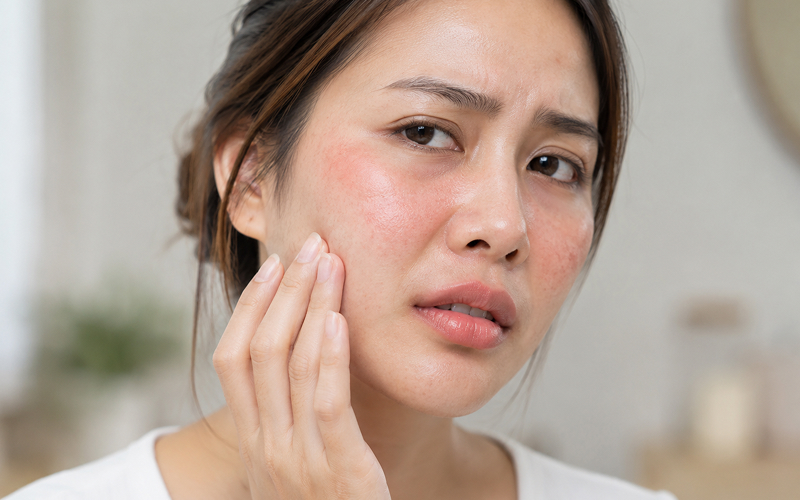
You have been cleansing, moisturising, and using your active ingredients consistently, yet your complexion still looks flat, patchy, or tired. This can be frustrating, especially when it feels as though your skincare routine should already be doing enough.
Here is what we have observed at CLEO Aesthetic: dull and uneven skin rarely comes from one isolated problem. Surface dryness may play a part, but slower skin turnover, pigmentation, dehydration, lingering acne marks, and changes in texture can all affect how even your skin looks and feels.
This is why adding another brightening serum to your skincare routine is not always the answer. The more useful starting point is to identify what is preventing the skin from looking clearer and smoother.
What Causes Dull and Uneven Skin?
Dullness is not always caused by one issue. In many cases, several changes in the skin are happening at the same time, leading to uneven skin tone and texture.
- Slower Skin Turnover: When dead skin cells accumulate on the surface, the skin may feel rough and reflect light less evenly. Over-exfoliating can make matters worse by disrupting the barrier, so renewal should support turnover without repeatedly stripping the skin.
- Sun Exposure and Pigmentation: Prolonged exposure to ultraviolet (UV) light can contribute to freckles, sun spots, and irregular melanin production. Pigmentation may also sit at different depths within the skin, which is why assessment matters before deciding how it should be treated.
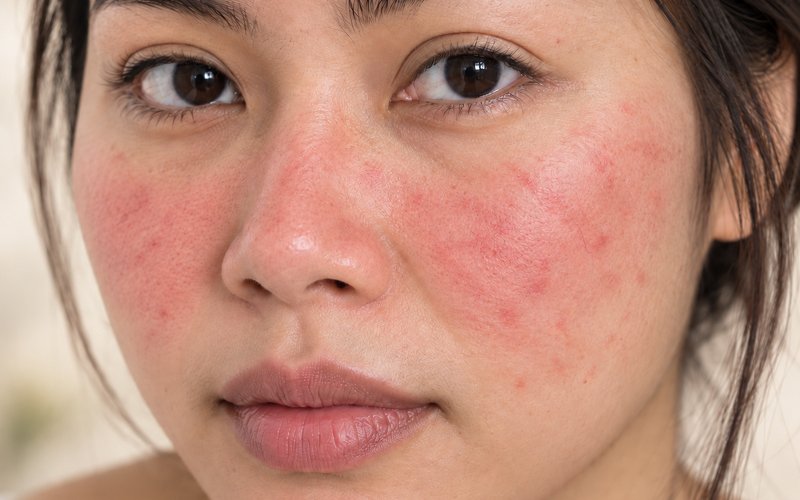
- Dehydration and Barrier Disruption: Dehydrated skin may look rough, creased, or tired rather than visibly dry. Harsh cleansers, frequent exfoliation, and multiple active ingredients can weaken the barrier, so hydration and recovery may need to come before brightening.
- Post-Acne Marks and Inflammation: Breakouts and irritation can leave behind red or brown marks that take time to fade. If acne continues to recur, new areas of discolouration may appear before older marks have cleared.
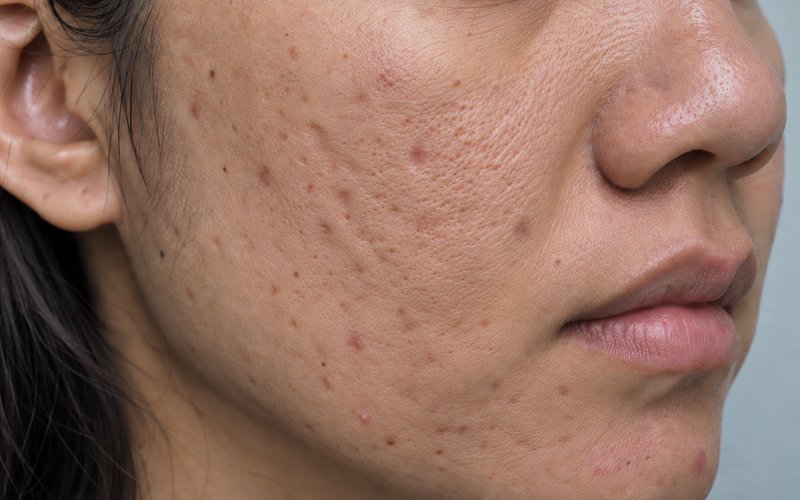
- Uneven Texture and Reduced Collagen Support: Visible pores, shallow acne scars, and reduced collagen support can make the skin surface less smooth, creating shadows that leave the complexion looking dull or uneven.
How to Brighten Dull Skin: Skincare Tips and Tricks
Dull skin is not always a sign that you need a stronger routine. Often, a few practical changes can help the skin look clearer and more even.
- Pay Attention to How Your Skin Feels After Cleansing: If your skin starts feeling tight or “squeaky-clean”, it may be a sign that your cleanser is stripping too much oil from your skin barrier. Consider switching to gentler products and treatments specifically designed to help restore a damaged skin barrier.
- Introduce Active Ingredients, One at a Time: Be slow and gradual when adding acids, retinoids, or brightening serums to your skincare routine. If you begin to experience redness or inflammation, this approach makes it easier for you to isolate, identify, and remove the cause.
- Exfoliate According to Your Skin’s Condition: Instead of following a fixed weekly schedule, put your exfoliating routines and products on pause if your skin starts feeling tight, sensitive or inflamed.
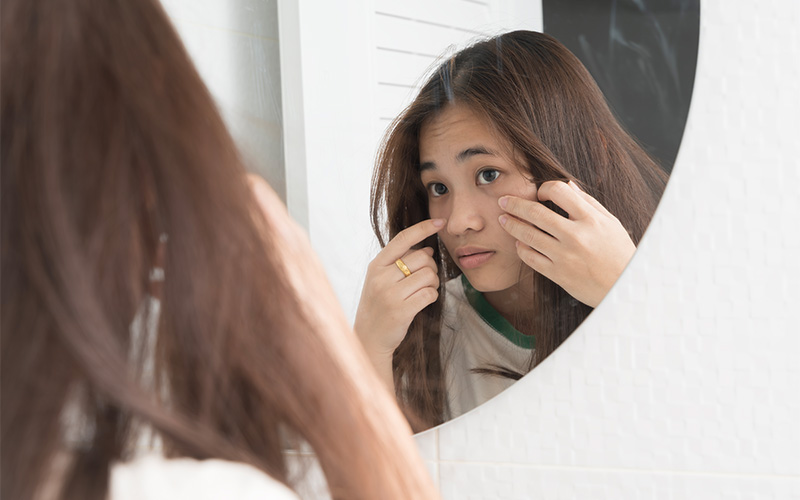
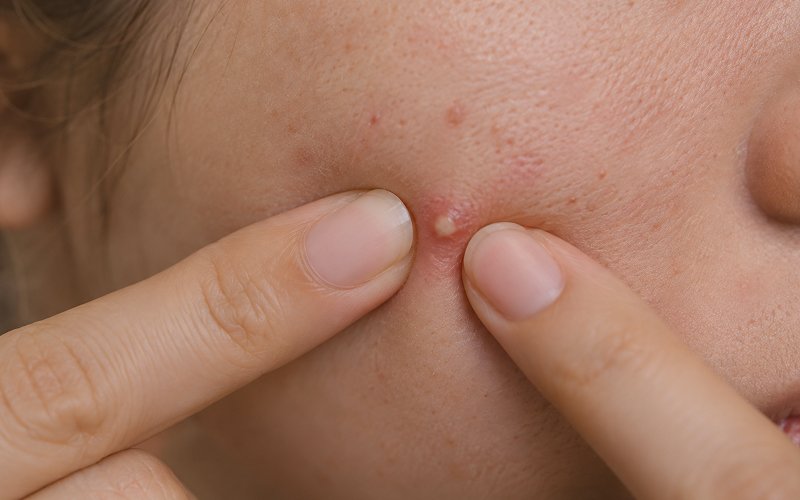
- Avoid Picking or Scrubbing: As tempting as it may be, avoid picking, squeezing, or scrubbing, especially if you have active acne or facial bumps. Repeated irritation can prolong inflammation, deepen post-acne marks, and make uneven texture more visible.
Choosing the Right Treatment for Dull Skin
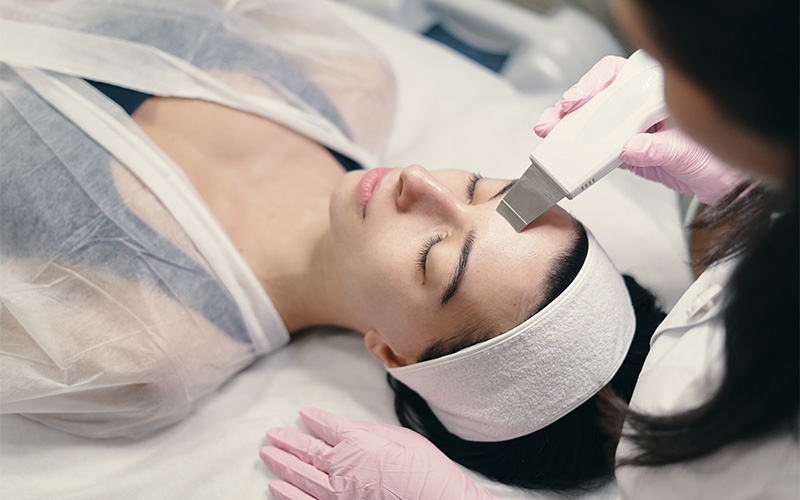
At CLEO Aesthetic, we conduct personalised assessments to design progressive, layered treatments to address what is causing dull and uneven skin. Here are some possible options we may consider:
1. CLEO Skin Renewal
CLEO Skin Renewal is a multi-step skin rejuvenation treatment, designed to improve skin clarity, texture, and quality. Our doctors will usually recommend this treatment plan for those whose concerns are caused by a combination of underlying factors.
This treatment combines laser and regenerative therapies:
- Pico Laser: This laser treatment delivers energy in ultra-short pulses to create a photoacoustic effect, which breaks pigment in the skin into smaller fragments. The body then gradually clears these fragments through its natural processes, which may improve skin clarity and brightness over time.
- Fractional Laser: Fractional laser technology creates controlled microthermal zones within the skin. This stimulates the skin’s natural repair response and may support collagen remodelling, helping to improve rough texture and the appearance of enlarged pores.
- Skin Booster: A regenerative skin booster is injected after the laser steps to aid dermal repair and recovery. By supporting the skin’s regenerative processes, it may help improve texture and overall skin quality as the skin heals.
- Medical LED Therapy: Medical LED therapy is used at the end of the session to help calm temporary inflammation and support skin recovery after treatment.
2. CLEO ExoPeel
If your skin’s dullness is accompanied by roughness or early signs of skin ageing, our doctors may recommend the CLEO ExoPeel skin renewal treatment programme. This plan is designed to improve skin tone and surface texture while supporting its recovery processes.
Treatment generally follows a structured process:
- Chemical exfoliation to help remove accumulated dead skin cells from the skin surface.
- Superficial microneedling, which creates microchannels within the upper layers of the skin to enhance product absorption.
- Our doctors will then apply a topical serum containing exosome-derived regenerative factors, which may support collagen-related processes, help calm inflammation, and promote skin recovery.
- A soothing peptide recovery mask is applied to calm the skin and help support barrier recovery,
3. HydraFacial
For those with congested pores, mild blackheads, or dehydration, our doctors may also incorporate a HydraFacial treatment into your personalised skin maintenance plan. First, your skin is gently cleansed and exfoliated to remove surface impurities and dead skin cells. Then, a vortex-based device is used to apply controlled suction to the skin, removing debris, excess oil, and impurities from within the pores. Finally, specialised serums containing hydrating and skin-regenerative ingredients are applied and infused into the skin.
With cleansing, extraction and hydration combined into one treatment, HydraFacial may help the skin feel smoother and look fresher.
Conclusion
Improving dull and uneven skin requires consistency, not instant results. At our aesthetic clinic, we treat skin health as a discipline rather than a destination. Our doctors assess how your skin is functioning now, decide what it needs next and adjust the plan as it responds. With CLEO Aesthetic’s Skin Gym philosophy, we focus on structured, well-timed care that supports clearer, smoother and more resilient skin over time.
Contact us to arrange a consultation and find out which treatment plan may be suitable for your skin.
Frequently Asked Questions
1. How long does it take to improve dull skin?
If dullness is mainly caused by dehydration or surface buildup, you may notice improvement within a few weeks after changing your skincare routine. Pigmentation, post-acne marks, and uneven texture usually take longer and often require multiple treatment sessions over several months. The timeline depends on the underlying cause, not just how dull the skin looks.
2. Can using too many brightening products make my skin look duller?
Yes. Using multiple acids, retinoids, or brightening products together can weaken the skin barrier, leading to irritation, flaking and redness. Instead of looking brighter, the skin may appear rougher and less even. If your skin becomes tight, stings or peels frequently, it may be a sign to simplify your routine.
3. Is dull skin always caused by dehydration?
No. While dehydration can make the skin look tired, dullness may also be caused by pigmentation, slower skin turnover, post-acne marks or uneven texture. If your skin still looks dull despite regular moisturising, the underlying cause may be something other than a lack of hydration.
 CLEO Aesthetics