
Key Takeaways
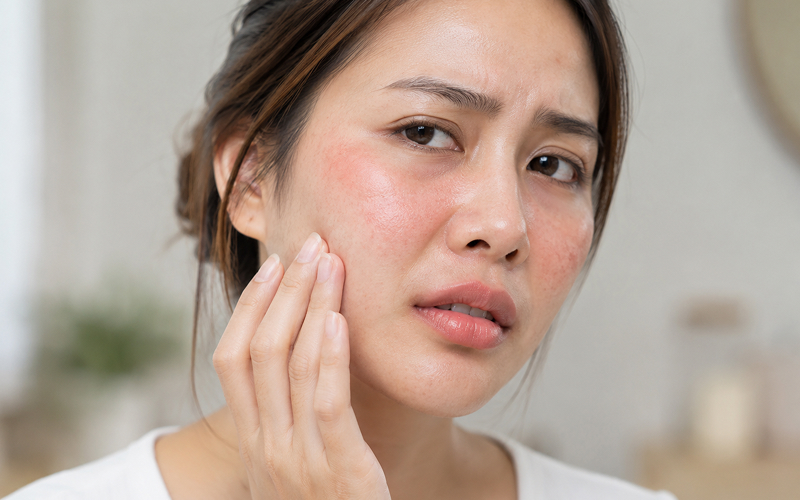
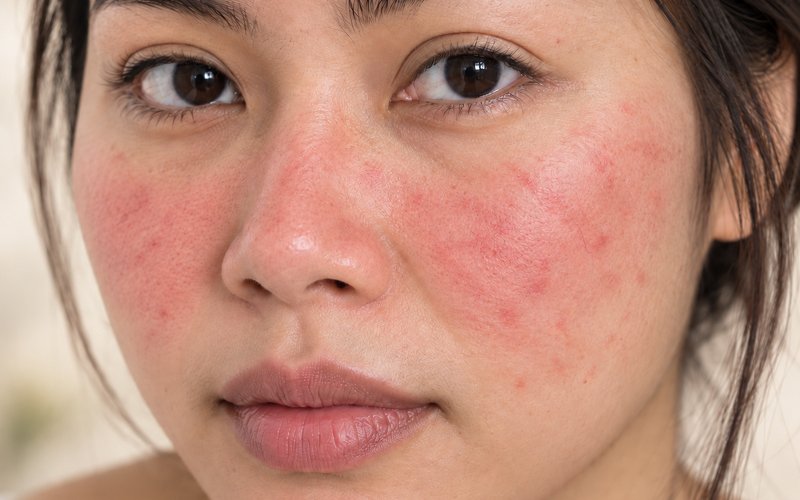
- Over-exfoliated skin can show up as persistent tightness, stinging, redness, flaking, increased sensitivity, or even small bumps that are easy to mistake for congestion.
- At CLEO Aesthetic, we look at the overall pattern rather than one symptom alone, including what changed in your routine, how quickly the reaction developed, and whether your skin improves when you use fewer strong products.
- When the skin barrier is already stressed, the priority is usually to reduce further irritation, simplify the routine, and give the skin time to regain stability before adding more actives.
- For selected patients, supportive treatments such as a 5-point HA skin booster, medical-grade LED light therapy, or a PN skin booster may be considered after assessment, once active irritation has settled.
- Reintroduce actives gradually, one at a time and at a lower frequency, so you can see what your skin tolerates without restarting the same cycle of irritation.
Introduction
Exfoliation can help with concerns such as rough texture, congestion, and dullness, but there is a point where more stops being helpful. Using acids, retinoids, scrubs, or acne-focused actives too frequently, or layering several at once, can leave the skin feeling tight, red, flaky, or unusually sensitive.
The difficult part is recognising when exfoliation is still benefiting your skin and when it has tipped into overexfoliation. Here are the signs we look for when deciding whether your skin needs more treatment or simply a break.
What Happens When You Exfoliate Too Much
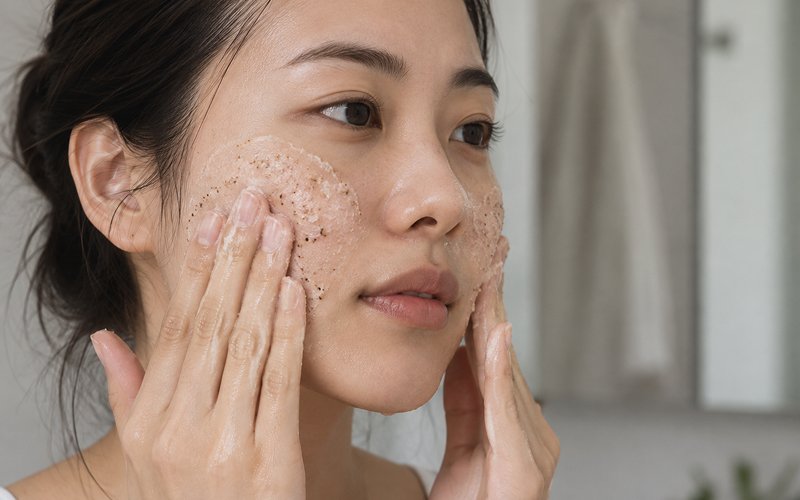
Exfoliation helps remove dead skin cells from the surface, encouraging a smoother, clearer-looking complexion. You can do it physically with scrubs or chemically with ingredients such as Alpha-Hydroxy Acids (AHAs), Beta-Hydroxy Acids (BHAs), and retinoids.
Used well, these products can be useful. The issue is pushing the skin faster than it can recover.
That can happen when you layer several actives, increase the frequency too quickly, or use the same strong products day after day without enough time for the skin to settle. Over time, this can disrupt the skin barrier, which normally helps retain moisture and protect the skin from external irritants. Once that barrier is compromised, the over-exfoliated skin tends to become drier, more sensitive, and more reactive than usual.
Signs of a Damaged Skin Barrier From Over-Exfoliation
At CLEO Aesthetic, we do not rely on one symptom alone. Instead, our doctors look for a pattern of changes that suggest the skin barrier may be under too much stress, including:
- Tightness that keeps returning: The skin may still feel dry or uncomfortable even after applying moisturiser.
- Skin irritation and stinging with normally gentle products: A cleanser, moisturiser, or sunscreen that previously felt comfortable may suddenly start to sting or burn.
- More redness or sensitivity: The skin may flush more easily, feel warmer, or become more reactive to heat, skincare, or environmental changes.
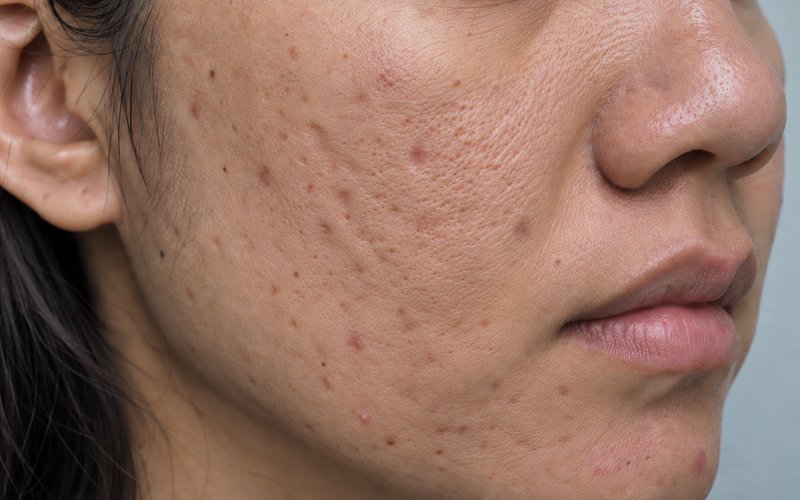
- Flaking or rough patches: Instead of becoming smoother, the surface may start to peel or feel increasingly uneven.
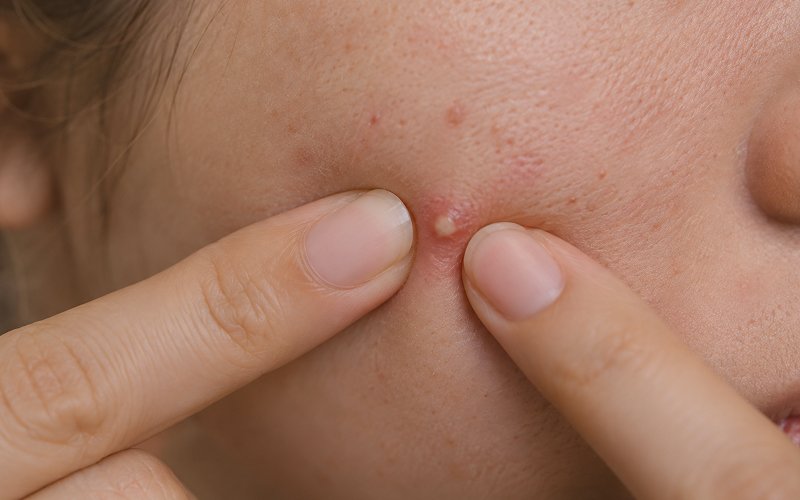
- Small bumps or inflamed spots: Irritation can sometimes resemble congestion or a breakout, which may tempt you to exfoliate even more and further aggravate the skin.
- A shiny but dehydrated appearance: The skin may look glossy on the surface while still feeling tight, dry, or uncomfortable underneath.
What matters is how these signs appear together and how they relate to your routine. Redness, peeling, or sensitivity doesn’t automatically mean the skin is over-exfoliated, since acne, eczema, contact reactions, and other skin conditions can look similar.
That is why we also look at what changed before the symptoms started, how quickly they developed, and whether your skin feels more comfortable when you reduce stronger products.
When We Prioritise Recovery Over More Treatment
If your skin is already over-exfoliated and irritated, the priority is to give it a more stable environment to recover. Following this, we will reassess what is needed to help restore a damaged skin barrier once the redness, tightness, or sensitivity starts to settle.
1. Simplify the Routine
The first step is often to strip the routine back. We may suggest pausing or reducing exfoliating acids, retinoids, scrubs, or anything else that seems to be aggravating the skin, then keeping things simple with gentle cleansing, moisturiser, and daily sun protection while it settles.
2. Support Hydration and Skin Quality
Once the irritation starts to settle, we assess whether the skin is still struggling to maintain hydration. Some patients find that their skin remains tight, dull, or less supple even after the obvious redness and stinging have improved.
In these cases, our doctors may consider a 5-point hyaluronic acid (HA) skin booster for selected patients. HA is a naturally occurring molecule that helps attract and retain water within the skin, supporting hydration and overall skin quality. Using a series of injections, our doctors will place the treatment at selected points across the face.
3. Medical-Grade LED Light Therapy
We may also consider medical-grade LED light therapy if redness, inflammation, or sensitivity remains after you have simplified your skincare routine. We will select a suitable wavelength according to what your skin needs at that stage. For example, yellow light (590 nm) can help reduce visible redness and support sensitive skin recovery, while green light (520 nm) may help calm inflamed, over-exfoliated skin. Near-infrared light (830 nm) may also be considered to support cellular repair processes and skin barrier repair.
4. Polynucleotide (PN) Skin Booster
If the skin remains sensitive or slow to recover after inflammation, our doctors may consider a PN skin booster treatment, formulated with molecules from salmon DNA, for additional support. PN skin boosters may be considered when the skin remains sensitive or slow to recover after irritation. Polynucleotides can help support the skin’s natural repair processes, which may help when the skin needs additional recovery support rather than more exfoliation or resurfacing.
However, this treatment does not address the underlying cause of irritation, so suitability still depends on the skin being sufficiently settled and on the doctor’s assessment.
When Can You Start Using Actives Again?
In general, we usually recommend waiting until your skin has been comfortable on a basic routine for at least several days, with no stinging, active peeling, persistent redness, or tightness. For mild irritation, this may take around a week. If the barrier is more disrupted, recovery can take a few weeks.
Once your over-exfoliated skin has settled, restart just one active at a low frequency, such as once or twice a week, before gradually increasing. Avoid reintroducing several acids, retinoids, or acne treatments at the same time, as this makes it harder to tell what your skin can tolerate.
Conclusion
At CLEO Aesthetic, we do not believe better skin comes from constantly adding more products or treatments. Our Skin Gym philosophy is built around structured, long-term care, with each step guided by how your skin is behaving, what it can tolerate, and what will support it over time.
That means knowing when to introduce treatment, when to scale back, and when recovery should come first. Rather than chasing quick fixes, we take a personalised, doctor-led approach that evolves with your skin.
If your routine is leaving your skin more reactive than resilient, book a consultation with us to review what your skin needs now and how to build a more sustainable plan from there.
Frequently Asked Questions
1. How do I know if my skin barrier is recovering?
We usually look for practical changes: less stinging, reduced redness, fewer flaky patches, less tightness after cleansing, and better tolerance of moisturiser and sunscreen. The skin should also feel more comfortable from day to day, rather than repeatedly becoming reactive.
2. Can oily skin still be over-exfoliated?
Yes. Oily skin can still become dehydrated, sensitive, or irritated. A shiny surface does not necessarily mean the skin barrier is healthy. If the skin feels tight, stings easily, or becomes more reactive despite looking oily, over-exfoliation may still be a contributing factor.
3. Is exfoliation necessary for healthy skin?
Not everyone needs frequent exfoliation. The right frequency depends on your skin type, the products you already use, and the concerns you are trying to address. For some people, gentle and occasional exfoliation is enough. For others, especially those using retinoids or acne treatments, adding more exfoliation may be unnecessary.
 CLEO Aesthetics