
Key Takeaways
- Exercise cannot get rid of cellulite entirely. However, regular activity can help make cellulite less noticeable by improving muscle tone, circulation, and body composition.
- Several factors can affect the appearance of cellulite, including genetics, hormones, fat distribution, connective tissue structure, skin thickness, and age-related changes in collagen.
- Strength training and cardiovascular exercise can support the appearance of areas such as the thighs and buttocks, but visible cellulite may remain even with a consistent routine.
- For selected patients, non-invasive cellulite reduction treatments, like Cellution, can help address additional factors such as skin firmness, fibrous tissue, and fluid retention to improve the appearance of your cellulite.
- At CLEO Aesthetic, we first assess what is contributing to the concern, then build a treatment plan around gradual, realistic improvement rather than promising complete cellulite removal.
Introduction
A common question we hear our patients ask is, “Does exercise get rid of cellulite?” Many people assume that if cellulite is linked to fat, then exercising more should make it disappear.
The reality is more nuanced. Exercise can help build muscle, support circulation, and improve overall body contour, which may make cellulite less noticeable. However, it does not directly change the fibrous connective bands beneath the skin that contribute to dimpling. Skin firmness, fat distribution, genetics, and hormonal factors can also influence how visible cellulite appears.
That is why we don’t see persistent cellulite as a sign that you need to train harder. At CLEO Aesthetic, an aesthetic clinic in Singapore, we first look at what is contributing to the texture, then consider what exercise can realistically improve and where additional support may be appropriate.
What Is Cellulite?
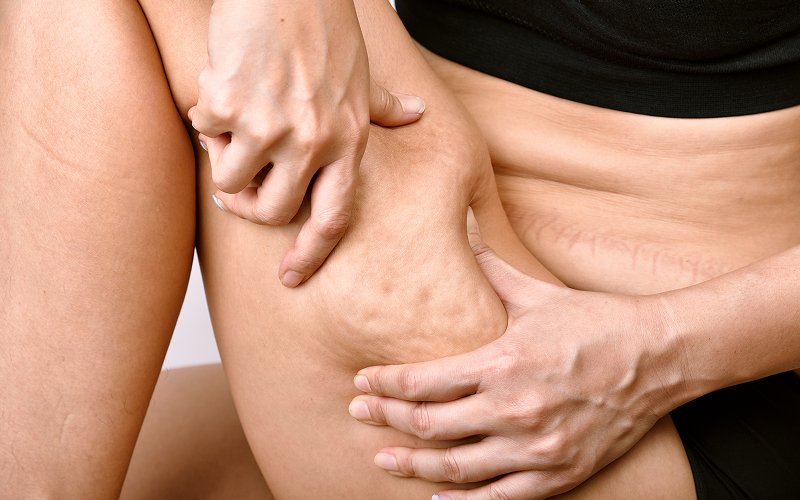
Cellulite is the dimpled or uneven texture that most commonly appears on the thighs, buttocks, hips, and abdomen. It forms when fat beneath the skin pushes upwards while fibrous connective bands pull downwards, creating visible depressions at the surface. How noticeable these dimples become can vary from person to person.
The causes of cellulite are not always straightforward, as its appearance is influenced by several underlying factors, including:
- Genetics
- Hormonal changes
- The structure and arrangement of connective tissue
- Fat distribution beneath the skin
- Skin thickness and elasticity
- Age-related changes in collagen and skin firmness
This means cellulite can occur at different body weights, and losing fat does not necessarily make every dimple disappear. In some people, changes in skin laxity after weight loss can even make cellulite more noticeable.
Can Exercise Get Rid of Cellulite?
So, does exercise get rid of cellulite? Not completely, but it can make cellulite less noticeable.
Exercise can help in two main ways:
- Strength training can increase muscle size and tone in areas such as the thighs and buttocks. This may give the overlying skin more structural support, so cellulite appears less pronounced.
- Cardiovascular exercise can help reduce overall body fat when combined with an appropriate diet and energy balance. If excess fat is contributing to the prominence of cellulite, this may make the uneven texture less noticeable, but the effect varies between individuals.
This is why we usually recommend a combination of both rather than relying on one specific exercise for cellulite reduction. Depending on your fitness level and routine, this could include:
- Squats and lunges to help build the muscles of the thighs and buttocks.
- Glute bridges or hip thrusts to strengthen the gluteal muscles, which is where cellulite commonly appears.
- Walking, jogging, or cycling to support fat loss when combined with an appropriate diet and consistent routine.
CLEO Aesthetic’s Approach to Persistent Cellulite
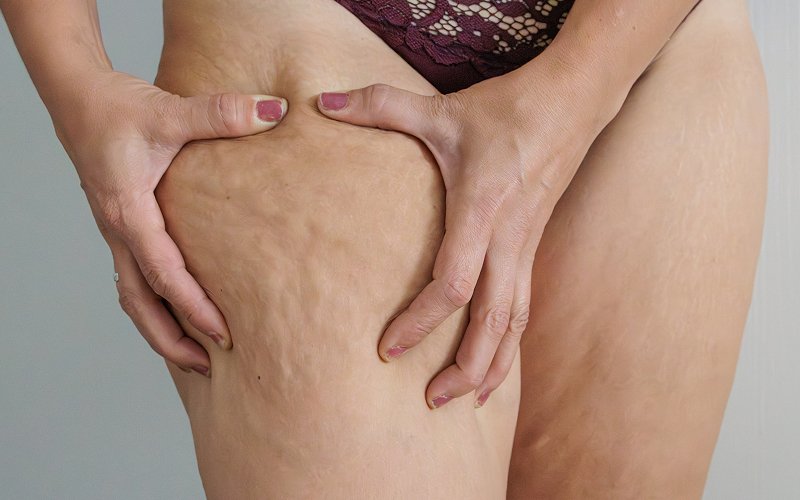
When cellulite remains noticeable despite regular exercise, our doctors may assess the skin and underlying tissue to determine whether additional treatment could be appropriate. For selected patients, this may include a non-invasive cellulite reduction treatment, like Cellution, that targets several contributors to cellulite, not just fat.
How the Treatment Works
Our cellulite reduction treatment combines four mechanisms within the same programme:
- High-Intensity Focused Diodes (HIFD): Our doctors use focused diode energy at 940 nm to heat the dermis and underlying fatty tissue to around 42°C. At this temperature, the treatment is intended to support lipolysis within the fatty layer while also stimulating collagen activity in the dermis. Over time, this can help improve skin firmness and make cellulite dimpling appear less pronounced.
- Mechanical Suction Massage: Vacuum suction and rolling apply controlled mechanical pressure to the fibrous tissue surrounding fat cells. This helps mobilise areas of tissue that contribute to the tethered, uneven appearance of cellulite, while also supporting local blood flow and lymphatic drainage.
- Active Dermocosmetic Ingredients: Topical dermocosmetic ingredients are applied during treatment to support skin conditioning and hydration. The warming effect from the HIFD phase increases local blood flow, which may also help improve how these ingredients interact with the treated skin.
- Radial Vibration Waves: Calibrated vibration waves are delivered into the treated tissue to create targeted mechanical stimulation. This is intended to support microcirculation, lymphatic drainage, and tissue remodelling, helping address some of the structural and fluid-related factors that can make cellulite more visible.
While this treatment cannot completely remove cellulite, it may help reduce the visibility of dimpling and support gradual improvements in skin texture and firmness over a course of treatment.
What You Can Expect
Patients can generally expect a warming, deep-massage-like sensation. You may feel pressure, suction, rolling, and vibration as the device moves across the treatment area. There is also typically no planned downtime, so most people can return to their usual routine afterwards. Temporary warmth, redness, tenderness, or mild bruising may occur, particularly where stronger mechanical massage is used.
A treatment course may involve approximately 6 to 10 sessions, although no single schedule applies to everyone. Frequency and total number of sessions should be determined after consultation and reviewed according to how the tissue responds.
Treatment selection should still depend on what we find during assessment. At CLEO Aesthetic, we look at which factors are contributing most to the concern, then build the treatment plan around those findings rather than using the same approach for every patient.
Conclusion: Consistency Over Quick Fixes
Even though exercise cannot get rid of cellulite completely, it can still support muscle tone and body composition, both of which may influence how visible cellulite appears. Where dimpling persists, the next step is not necessarily to do more, but to understand what is driving the concern.
At CLEO Aesthetic, this reflects our Skin Gym philosophy. We take a structured approach to improving skin and tissue quality over time, based on assessment, appropriate treatment selection, and your response. The aim is not to promise perfectly smooth skin or permanent cellulite removal, but to make gradual, realistic improvements where treatment may help.
If cellulite remains a concern, book a consultation with our doctors to understand what is contributing to the dimpling and whether treatment may be appropriate.
Frequently Asked Questions
1. Can cellulite get worse as I age?
Yes. As collagen levels decline and the skin becomes thinner or less firm, the underlying connective tissue and fat can become more visible at the surface. This can make existing cellulite look more pronounced over time, even if your weight has not changed significantly.
2. Is cellulite more common in women than men?
Yes. Cellulite is more common in women because of differences in hormones, fat distribution, and the way connective tissue is arranged beneath the skin. Men can still develop cellulite, but it tends to be less common and may appear differently.
3. Can cellulite come back after treatment?
Yes. Treatment can help reduce the appearance of cellulite, but it does not permanently remove every structural factor involved. Results can also change over time with ageing, weight fluctuations, and changes in skin firmness, so some patients may benefit from maintenance treatment depending on how their skin responds.


 CLEO Aesthetics