
Key Takeaways
- When your skin keeps breaking out, the cause may involve several overlapping factors, including excess oil, congestion, hormonal changes and a weakened skin barrier.
- Spot treatments may calm individual blemishes, but they do not address the conditions that allow new breakouts to keep forming.
- A long-term acne plan should consider oil production, lesion type, persistent congestion, inflammation, and how well the skin recovers.
- Treatment should be reviewed as the skin changes, with the timing and intensity adjusted according to its response.
- Consistent skincare habits, including cleansing after heavy sweating, avoiding overuse of active ingredients, and using a suitable moisturiser, can support the skin between treatments.
Introduction
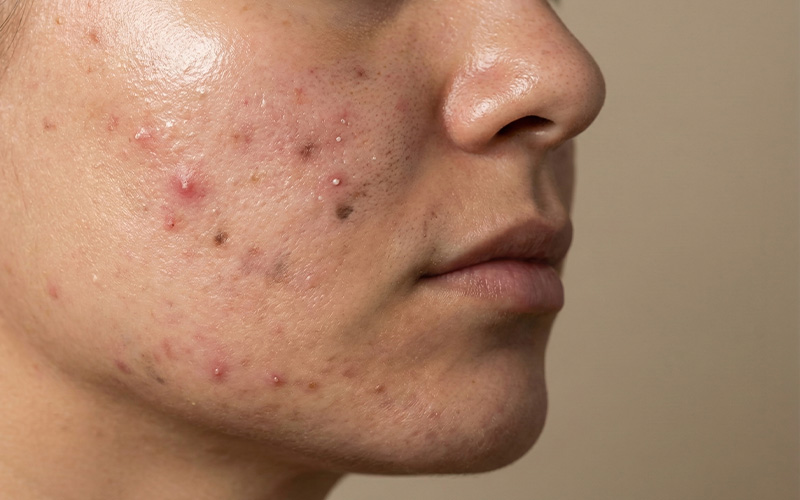
There is a point at which acne stops being a series of isolated breakouts and becomes a pattern. You may clear one area, only for another cluster to appear. You may change your cleanser, add another active ingredient, or apply spot treatment as soon as a blemish develops. Yet your skin keeps breaking out, often in the same areas and for the same underlying reasons.
Often, persistent acne is rarely caused by one issue alone. From excessive oil production and clogged pores to hormonal changes and a damaged skin barrier, there is often a combination of factors working behind the scenes.
That is why acne should not be approached as a sequence of individual problems to resolve. Rather, it is important to assess the conditions allowing acne to keep forming, then build a plan that addresses those conditions in a specific order.
What Could Be Causing Recurring Acne?
If your skin keeps breaking out, it could be due to one or a combination of these factors:
- Hormones: Hormonal fluctuations, especially during puberty, menstrual cycles, and pregnancy, can stimulate the sebaceous glands, increasing oil production and making the pores more prone to congestion. Areas like the lower face, jawline, and chin are more susceptible to these changes.
- Stress: Higher levels of stress can cause the body to produce more cortisol. This can affect oil production and make the skin more reactive, making the skin more prone to breakouts.
- Damaged skin barrier: Over-cleansing, frequent exfoliation, or using too many active ingredients can weaken the skin barrier. When the barrier is compromised, the skin may become more sensitive, irritated, and slower to recover, increasing the likelihood of future breakouts.
- Diet and lifestyle: Diet, exercise habits, and inconsistent skincare routines may all contribute to acne in some individuals. Triggers vary from person to person, so we recommend keeping track and identifying recurring patterns.
Why Spot-Treating Each Breakout May Not Be Enough
Spot treatments may help calm flare-ups, but they may only be useful for active acne that has already appeared. They do not control excess oil and sebum, congestion developing in other pores, or the inflammation that causes your skin to keep breaking out.
A long-term treatment plan should assess:
- How much oil the skin produces and where it is concentrated
- Whether congestion remains between active breakouts
- The depth, type, and severity of acne lesions
- How well the skin recovers after inflammation
- Whether redness, pigmentation, or textural changes remain
At CLEO Aesthetic, we look at these factors together before recommending a series of treatments and the sequence in which they are applied. This allows us to build a structured plan that targets the active causes of acne, then adjust the focus as the skin becomes more stable.
How a Long-Term Acne Treatment Plan Works
Our doctors will first conduct a personalised consultation to assess your skin condition, the underlying cause of your breakouts, and your treatment goals. From there, we may recommend CLEO Bare Reset, a multi-session acne treatment plan that combines different modalities to address the different aspects of acne management.
1. Laser Treatment to Control Excess Sebum
Our acne laser treatment uses a 1,726 nm wavelength that is preferentially absorbed by lipids within the sebaceous glands. The controlled thermal energy targets gland activity beneath the skin’s surface, which may gradually reduce sebum production and improve pore congestion. Over time, this may help reduce inflammatory acne activity and make recurring breakouts easier to manage.
2. Pore Cleansing and Skin Preparation
Our doctors also provide professional cleansing treatments and extractions to help remove surface impurities and loosen the mixture of oil and dead skin cells that can accumulate within follicles. This creates a clearer skin surface before subsequent treatment steps and may help reduce the conditions that cause comedones and recurring congestion.
3. Supporting Skin Repair and Recovery
Salmon polynucleotide (PN) skin booster treatment may be used to support the skin’s regenerative microenvironment following acne-related inflammation. Polynucleotides are purified DNA fragments that help activate fibroblasts, the cells that produce collagen and elastin, to support dermal repair and gradually improve the skin’s resilience. As the skin recovers, this may also help improve uneven texture and strengthen the skin following repeated breakouts.
4. Calming Inflammation
Finally, our doctors may use medical-grade LED light therapy to reduce visible redness and support the skin’s recovery after active breakouts. Selected wavelengths penetrate the skin and interact with cellular processes linked to inflammation and repair. Blue light may act on acne-associated bacteria, while red or near-infrared light may help calm inflammatory activity and support tissue recovery.
5. Reviewing the Plan as the Skin Changes
Acne can change throughout treatment. As oil production and inflammation settle, concerns such as persistent congestion, redness or post-acne marks may become more noticeable. We will review your skin regularly, then adjust the combination, timing, and intensity of each treatment according to its response.
Practical Skincare Habits for Acne-Prone Skin
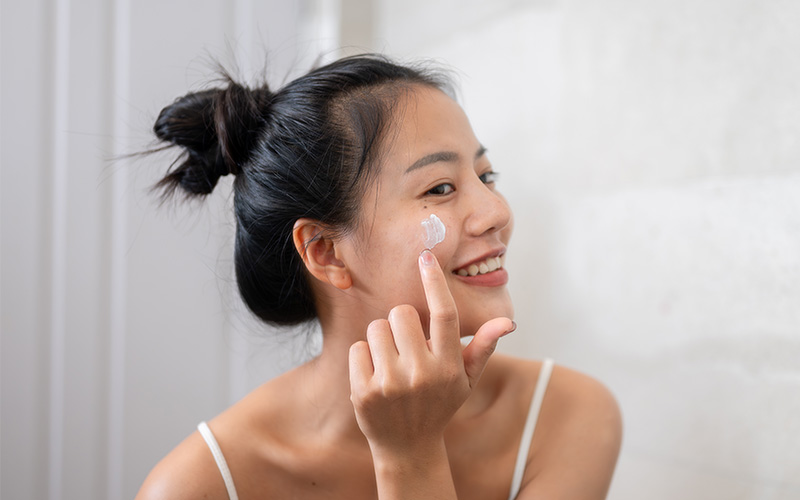
While professional treatment addresses the underlying reasons why your skin keeps breaking out, there are some daily habits you can adopt to help reduce the likelihood of future breakouts and make your skin feel more comfortable overall.
- Cleanse after sweating, not just morning and night: Sweat, oil and sunscreen can remain on the skin after exercise or commuting in Singapore’s humid climate. Cleansing soon after heavy sweating may help reduce pore congestion.
- Keep your skincare routine consistent for several weeks: Frequently changing cleansers, serums, or acne products makes it difficult to judge what is working and may increase irritation. Introduce new products one at a time and give them time to work.
- Reduce repeated contact with the skin: Avoid resting your face on your hands, picking at blemishes, or frequently touching affected areas, as this can increase irritation and prolong healing.
- Do not skip moisturiser: Acne-prone skin still needs adequate hydration. Choose a lightweight, non-comedogenic moisturiser to support the skin barrier, particularly when using exfoliating acids, retinoids, or prescribed acne treatments that may cause dryness.
Conclusion
When breakouts keep returning, the next step is not always to add another product or intensify your routine. What matters is knowing which part of the acne cycle needs attention first, then giving the skin enough time to respond before changing course.
At CLEO Aesthetic, our Skin Gym philosophy treats acne care as an ongoing practice rather than a one-off intervention. Just as progress in the gym comes from consistency, careful pacing, and regular review, we believe that healthier-looking skin can be built through treatments that are planned and adjusted over time.
Book a consultation with our doctors today.
Frequently Asked Questions
1. How can I tell whether an acne product is causing purging or irritation?
Purging usually develops in areas where you already tend to break out after introducing ingredients that increase skin turnover, such as retinoids or exfoliating acids. Irritation tends to feel different. You may notice burning, itching, widespread redness, peeling or breakouts in areas that are not usually affected. Stop the product if the skin becomes increasingly uncomfortable and have it reviewed before adding anything else to the routine.
2. Should I change my skincare routine before an acne treatment?
Possibly, but not without guidance. Stronger ingredients such as retinoids, exfoliating acids, or benzoyl peroxide may need to be paused before certain treatments to reduce unnecessary sensitivity.
Bring your current products or clear photographs of their labels to your consultation. This allows the doctor to review the routine as a whole and advise what to continue, pause or reintroduce, rather than asking you to overhaul everything at once.
3. When should recurring acne be assessed by a doctor?
Arrange an assessment if your acne is becoming deeper, more painful or more widespread, or if it is beginning to leave scars. It is also worth seeking help when breakouts continue despite several weeks of consistent over-the-counter care.





 CLEO Aesthetics