
Key Takeaways
- Hair thinning often has multiple causes. Ageing, hormonal changes, stress, inflammation, genetics, nutrition, and underlying health conditions can all contribute.
- The scalp matters because hair follicles depend on the surrounding tissue, blood supply, and connective structures to support the normal hair growth cycle.
- Persistent scalp irritation, redness, itching, or inflammation may make the environment around the follicles less supportive over time.
- Sudden, patchy, or rapidly worsening hair loss should be medically assessed first, particularly when it appears alongside other unexplained symptoms.
- At CLEO Aesthetic, our CLEO HAIR:3 programme takes a structured approach to scalp health for hair growth rather than relying on a single treatment.
Introduction
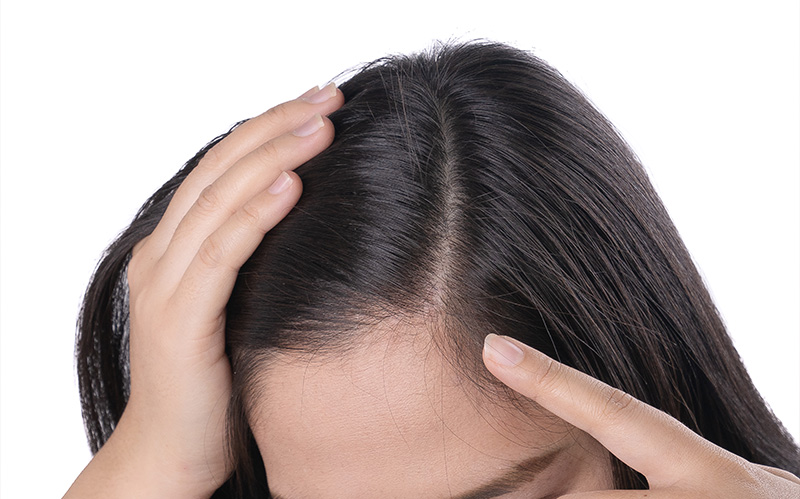
When your hair starts thinning, it is easy to focus on what you can see: more shedding, a wider parting, or hair that no longer feels as full as it used to. At CLEO Aesthetic, we look beyond the strands themselves. Hair thinning often results from a combination of changes in the hair growth cycle, scalp condition, hormones, stress, nutrition, ageing, and genetics.
That is why we focus on scalp health for hair growth from the start. The follicle sits within living scalp tissue, supported by blood vessels, connective tissue, and the surrounding structures involved in the hair growth cycle. Understanding how that environment supports your hair gives us a clearer starting point for treatment and management.
How Scalp Health Supports Hair Growth
Hair grows from follicles embedded within the scalp, which are surrounded by blood vessels, connective tissue, and supporting structures that help maintain the normal hair growth cycle.
When the scalp environment is healthy, it can support:
- Regular follicle activity through the different stages of the growth cycle
- Delivery of oxygen and nutrients to the tissues around the follicle
- Recovery after irritation or inflammation
- Structural support around the follicle
- The strength and quality of the hair already growing
When the scalp is persistently irritated, inflamed, or slow to recover, that support system may become less favourable for hair growth over time.
What Can Affect the Scalp and Hair Cycle?
Hair thinning often has more than one contributing cause. These may include:
- Ageing: Hair follicles can gradually shrink and produce finer, shorter strands, reducing your overall hair density.
- Hormonal changes: Hormonal shifts after childbirth or during menopause can lead to increased shedding or gradual thinning. In some people, higher androgen levels can also contribute to progressive thinning by causing susceptible hair follicles to shrink over time.
- Stress: Significant physical or emotional stress can push more hairs into the resting phase, with shedding often appearing weeks or months later.
- Inflammation: Persistent redness, itching, or irritation can interfere with normal scalp recovery and create less favourable conditions around the follicles.
- Genetics: Inherited hair-loss patterns can make certain follicles more sensitive to androgens, causing them to become progressively smaller over time.
- Nutrition and medical factors: Low iron, inadequate protein intake, thyroid disorders, and other health conditions can affect normal hair production and increase shedding.
If you experience sudden or rapid hair loss, patchy bald spots, significant scalp discomfort, or thinning alongside other unexplained symptoms, it may be best to seek medical attention first. A doctor can assess whether hormonal changes, nutritional deficiencies, or other underlying conditions may be contributing before you consider scalp treatment for hair thinning.
CLEO HAIR:3: A Structured Approach to Scalp Health and Hair Growth
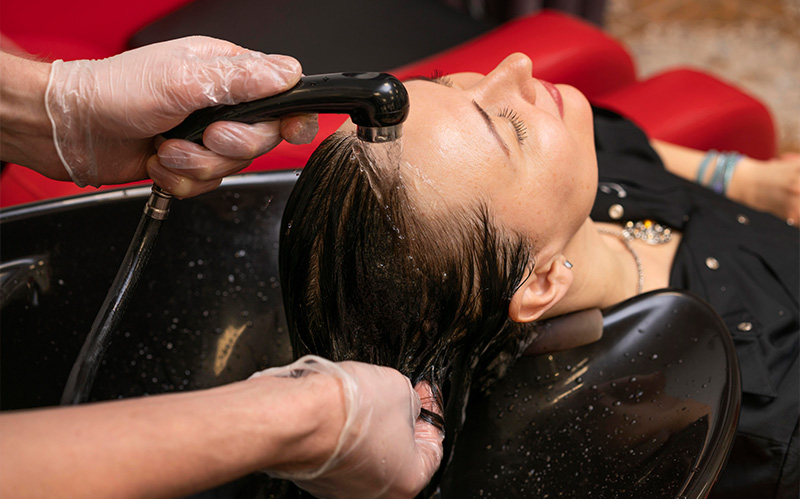
At CLEO Aesthetic, we do not see hair loss or thinning as a problem to treat with one isolated procedure. Our approach is to first consider what the scalp needs, then build treatment around that. This follows the same philosophy we apply to skin care: structured, progressive support rather than chasing a quick fix.
For selected patients, we will recommend CLEO HAIR:3, a signature treatment designed around three goals: supporting hair growth, strengthening existing hair, and helping improve hair density in appearance over time. The programme typically combines four modalities across six monthly sessions, with the plan adjusted according to the individual’s scalp condition, thinning pattern, and suitability.
Step 1: Fractional Laser
The first step uses fractional laser to create microscopic treatment zones within the scalp. These controlled micro-injuries help trigger the scalp’s natural repair response and promote tissue remodelling in the treated area. The microchannels also create a temporary pathway through the outer layers of the scalp, allowing topical ingredients applied afterwards to come into closer contact with the treated tissue.
The laser treatment therefore has two roles: stimulating a controlled recovery response and preparing the scalp for the regenerative steps that follow.
Step 2: Type I Collagen
Our doctors may also use a Type I collagen injection to support dermal tissue quality and reinforce the structural environment around existing follicles. Within CLEO HAIR:3, its role is adjunctive rather than directly hair-growing, helping support scalp condition and resilience as part of the wider treatment programme.
Step 3: Topical Exosomes
After fractional laser, our doctors apply topical exosomes, which are small extracellular vesicles involved in cell-to-cell signalling and tissue repair. Applied after the laser has created microchannels in the scalp, they are intended to support post-treatment recovery and help maintain a regenerative environment within the treated tissue.
Step 4: Red LED Light Therapy
At the end of the session, our doctors will use Red Medical-grade LED light therapy as a low-intensity adjunctive treatment. The red light used at CLEO is delivered at 633 nm, a wavelength that may support collagen activity and tissue recovery. Within CLEO HAIR:3, its main role is to help calm temporary post-treatment irritation and support the scalp as it recovers from the earlier treatment steps.
Tips for Supporting the Scalp Between Treatments
What you do between aesthetic treatments can also affect how well you maintain your scalp over time. A few practical habits can help support scalp health for hair growth:
- Use gentle hair and scalp products that suit your scalp condition.
- Limit excessive heat styling, tight hairstyles, and frequent chemical treatments that place repeated stress on the hair and scalp.
- Make sure your diet provides enough protein, iron, and other nutrients involved in normal hair production.
- Do not ignore persistent dandruff, itching, redness, or scalp irritation, especially if symptoms keep returning.
- Seek medical advice if you notice sudden shedding, patchy hair loss, or a rapid change in density.
- Pay attention to sleep and stress, particularly if increased shedding seems to follow periods of physical or emotional strain.
Conclusion
Hair thinning is easier to manage when you understand what may be driving it. Rather than cycling through products or treatments hoping something works, the more useful starting point is to look at the scalp, the hair growth cycle, and any wider factors that may be contributing.
At CLEO Aesthetic, this reflects our broader Skin Gym philosophy: treating skin health as something that is built through consistent, structured care rather than isolated treatments. The same thinking applies across our aesthetic treatments, whether we are addressing acne, pigmentation, skin quality, ageing, or hair and scalp concerns. Each treatment has a specific role, but the wider plan is guided by what your skin or scalp needs over time.
Book a consultation with our team today.
Frequently Asked Questions
1. Can hair loss be reversed?
It depends on the cause. Some forms of shedding can improve once you address the underlying trigger, such as stress, nutritional deficiency, or hormonal change. More established pattern hair loss may not be fully reversible, but early assessment can help identify whether there is an opportunity to slow progression, preserve existing hair, and improve the appearance of density.
2. How do I know if my hair thinning is related to my scalp or something else?
Look at both the pattern of thinning and what is happening on the scalp. Ongoing redness, itching, flaking, or irritation may suggest that a scalp condition is contributing. Sudden shedding, patchy loss, or thinning that appears alongside hormonal or other health changes may point to a wider cause. At CLEO Aesthetic, we would not assume every case starts with the scalp.
3. Can I use scalp serums to improve hair growth?
A scalp serum may help with hydration, oil balance, or irritation if it is suited to your scalp, but it should not be treated as a universal hair-growth solution. The more important question is whether the product addresses the reason your hair is thinning. If shedding is persistent or density is clearly changing, it is better to assess the cause rather than simply adding more products to your routine.
 CLEO Aesthetics