
Key Takeaways
- Popping a pimple may make it look flatter temporarily, but squeezing can increase inflammation, disrupt healing, and raise the risk of lingering pigmentation or acne scarring.
- The type of breakout matters. Deep, painful nodules and cyst-like lesions are particularly unsuitable for squeezing because the inflammation sits further beneath the skin.
- When acne keeps returning, we look beyond individual spots and assess congestion, oil production, inflammation, post-acne marks, and whether the current skincare routine is irritating the skin.
- For selected patients, CLEO Bare Reset may combine pore cleansing, a 1,726 nm sebum laser, PN skin boosters, and medical-grade LED therapy to address different parts of the acne cycle.
Introduction
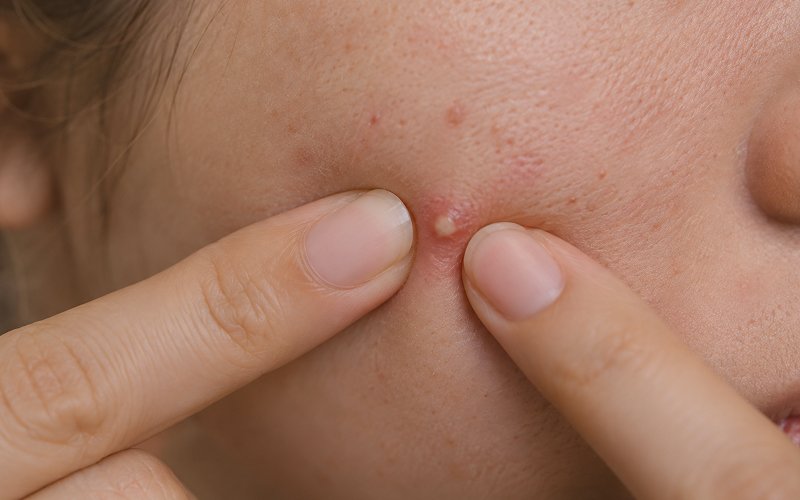
When a pimple develops a visible white head, squeezing it can feel like the fastest way to make it disappear. But what happens beneath the surface matters just as much as what comes out.
Many of our clients frequently ask, “Should I pop my pimples?” We usually tell patients to think twice. Picking or squeezing can increase inflammation and the risk of discolouration or scarring, especially when a spot is already red, tender, or deep.
At CLEO Aesthetic, we would rather understand why the breakout keeps forming. The type of breakout, how often it returns, how inflamed it is, and how your skin is responding to your current routine can all affect what you should do next.
What Happens When You Pop a Pimple?
A pimple forms when a hair follicle becomes blocked with sebum and dead skin cells, allowing inflammation to build within the pore. As pressure increases beneath the skin, some spots develop a visible white or yellow head, which can make squeezing feel like the obvious next step.
So, should you pop your pimple once it looks ready? In most cases, we would advise against it. Squeezing adds more pressure to an already inflamed follicle. While some material may come out through the surface, some can also be pushed deeper into the surrounding tissue, or the follicle wall may rupture beneath the skin.
This can trigger a stronger inflammatory response, leaving the spot more swollen, tender, or red even after it initially looks flatter. Repeated squeezing or picking can also disrupt the skin’s normal healing process and keep the area inflamed longer. Over time, this can increase the likelihood of lingering redness, post-inflammatory hyperpigmentation, or acne scarring, particularly if the damage extends deeper into the skin.
What You Should Do Instead of Popping Your Pimples
For an occasional pimple, the better approach is usually to minimise irritation and let the inflammation settle.
- Keep the area clean without scrubbing.
- Avoid touching, picking, or squeezing, particularly once the skin has already been broken.
- Use appropriate acne skincare rather than layering multiple strong products over the same spot.
- Protect healing areas from UV exposure, particularly if your skin is prone to post-acne pigmentation.
- Seek assessment for recurrent or deeper breakouts rather than repeatedly treating individual pimples at home.
For selected large, painful nodules or cysts, a doctor may consider an intralesional corticosteroid injection to reduce inflammation. Do this only after a medical assessment, rather than trying to drain a deep breakout at home.
What We Look for Before Treating Active Acne
If you are wondering whether you should pop your pimples because your current routine seems too slow, it is often more useful to reassess what is driving the breakouts. Patterns across the skin often tell us more about what to address.
- The type of pimple: Blackheads and whiteheads are mainly caused by clogged pores, while papules and pustules already involve inflammation. Nodules and cyst-like lesions sit deeper within the skin and are especially unsuitable for squeezing. If a spot needs significant pressure to release, leave it alone.
- How often congestion occurs: If you frequently get blackheads, whiteheads, and small bumps, it may be a sign of ongoing pore congestion. In these cases, addressing the buildup of sebum and dead skin cells is usually more useful than repeatedly extracting individual spots.
- How inflamed the acne is: A few occasional comedones are different from recurrent red, tender, or deep breakouts. More persistent inflammatory acne may require a broader treatment plan, which can include prescription skincare, oral medication, or in-clinic treatment following a medical assessment.
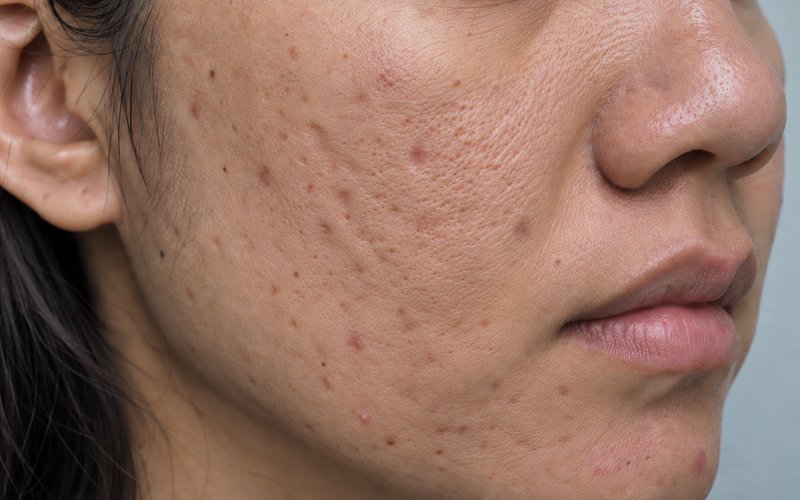
- Appearance of marks or scars: If your pimples regularly leave behind dark marks, prolonged redness, or indentations, focus on reducing further inflammation. Repeated picking or squeezing can add unnecessary trauma to skin that is already prone to scarring and pigmentation.
- Your current skincare routine: We also look at whether your usual skincare routine helps or adds irritation. Using several acids, scrubs, spot treatments, or drying products at the same time can damage the skin barrier without necessarily improving the underlying cause of your breakouts.
How We Address Active Acne at CLEO Aesthetic
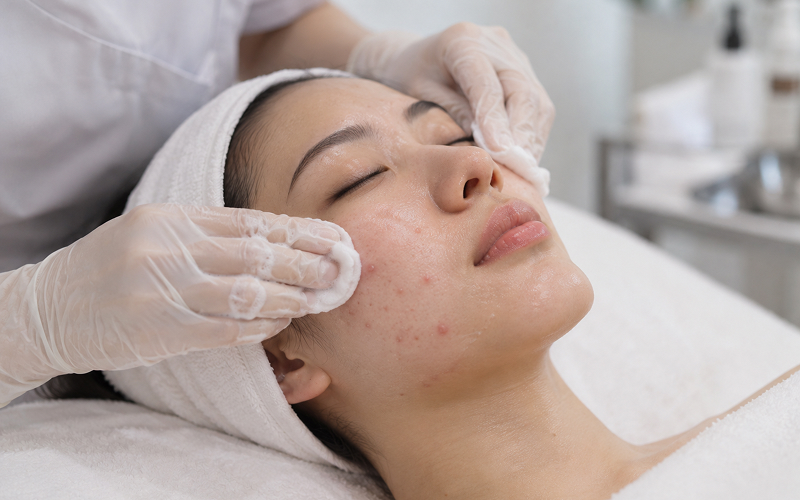
When acne becomes recurrent, more inflamed, leaves persistent marks, or doesn’t improve with a suitable home routine, we may recommend adding in-clinic treatment to the overall acne plan. The approach depends on the acne pattern, the degree of congestion and inflammation, how the skin is healing, and what has already been tried.
For selected patients, our doctors may consider CLEO Bare Reset, a multi-session acne treatment designed to address several contributors to acne within the same treatment plan. Depending on the skin assessment, this may include:
1. Pore Cleansing and Skin Preparation
Surface impurities, excess oil, and accumulated debris can contribute to congestion when they build up around the pores. This step helps cleanse the skin and loosen pore congestion, preparing the skin for the other components of the treatment while addressing the buildup commonly seen with blackheads, whiteheads, and oily skin.
2. 1,726 nm Sebum Laser
The 1,726 nm Sebum Control laser is preferentially absorbed by lipids within the sebaceous glands. Through selective photothermolysis, the laser delivers controlled energy to these oil-producing structures beneath the skin. This may help reduce sebaceous gland activity over time, decrease excess sebum, and improve the oily, congested conditions that can contribute to recurrent inflammatory acne.
3. Polynucleotide (PN) Skin Boosters
We may also use PN skin booster treatments formulated with salmon DNA to help support skin affected by inflammation. These polynucleotides may work by triggering fibroblast activity and the processes that maintain collagen and the extracellular matrix, supporting the skin’s natural repair and regenerative processes. While this treatment does not directly clear acne lesions or reduce sebum, it can help the skin recover when repeated breakouts leave the skin more reactive and inflamed.
4. Medical-Grade LED Therapy
The treatment concludes with medical-grade LED therapy to help calm inflammation and support skin recovery. Different wavelengths of light can interact with biological processes within the skin, and selected settings can support concerns such as acne-related inflammation, redness, and post-treatment recovery.
In-clinic treatment is only one part of the strategy. A consistent routine built around appropriate cleansing, acne actives where suitable, moisturising, sun protection, and avoiding repeated picking or squeezing also helps support the skin between treatments.
Conclusion
The answer to “should I pop my pimples?” is usually no, but the more useful question is what your skin needs to reduce the next breakout.
At CLEO Aesthetic, our Skin Gym approach treats acne management as an ongoing process of conditioning the skin, not simply clearing individual spots. We look at oil production, congestion, inflammation, recovery, and your daily routine, then adjust the plan as your skin changes. The goal is to build healthier, more stable skin through consistent treatment and home care, so breakouts become less of a recurring cycle over time.
If you are dealing with frequent, inflamed, or persistent acne, book a consultation to have your skin assessed and discuss an acne management plan suited to your skin.
Frequently Asked Questions
1. Should I pop a pimple to make it heal faster?
No. A popped pimple may look flatter right after you squeeze it, but the extra pressure can make the area more inflamed and leave redness or marks behind for longer.
2. What should I do if a pimple bursts on its own?
Gently cleanse the area and leave it alone as much as possible. Try not to keep squeezing or picking at it, as this can irritate the skin and slow down healing.
3. Why do some pimples leave dark marks even if I do not squeeze them?
Acne itself causes inflammation, and that inflammation can trigger extra pigment as the skin heals. This is why some pimples leave dark marks even when you have not touched them. Squeezing can make that inflammation worse and cause the marks to linger for longer.
 CLEO Aesthetics