
Key Takeaways
- Sudden sensitive skin may be caused by a disrupted skin barrier, excessive stimulation, or a recent change in products, treatments, health, or environment.
- Common triggers include new products, overuse of active ingredients, recent aesthetic procedures, and changes in environmental exposure.
- Identifying what changed before the reaction began can help narrow down the cause and guide a more suitable recovery plan.
- Treatment should be matched to the main concern, whether that involves vascular redness, inflammation, dehydration, or reduced skin resilience.
- At CLEO Aesthetic, we help manage sensitive, reactive skin through a gradual, doctor-led approach that recommends laser and skin booster treatments according to the main concern and trigger.
Introduction
Has your usual skincare started to sting, or does your face feel red, tight, or irritated without an obvious reason? Skin that feels sensitive all of a sudden can be frustrating to deal with, particularly when the same products previously caused no problems.
According to our observations at CLEO Aesthetic, sensitive skin rarely happens without cause. It may develop after several weeks of over-exfoliation, a new combination of active ingredients, a recent procedure, or repeated exposure to external stressors. Here, we explain the signs we look for, possible triggers, skincare tips, and how we approach recovery without placing more pressure on already unsettled skin.
What Are the Signs of Sensitive Skin?
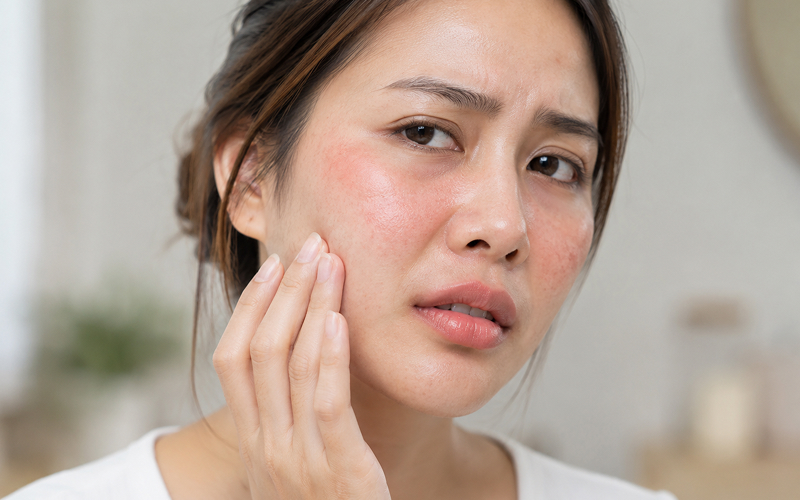
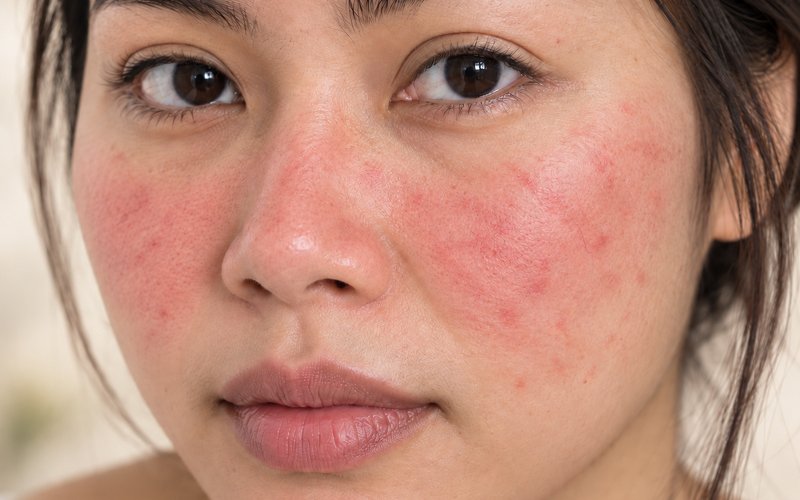
Sensitive skin may present differently depending on the individual. Some experience an immediate burning sensation, while others notice that their skin becomes progressively drier, rougher, or less tolerant over several days.
Here are some common signs we’ve observed in our clients:
- Stinging or burning when applying skincare
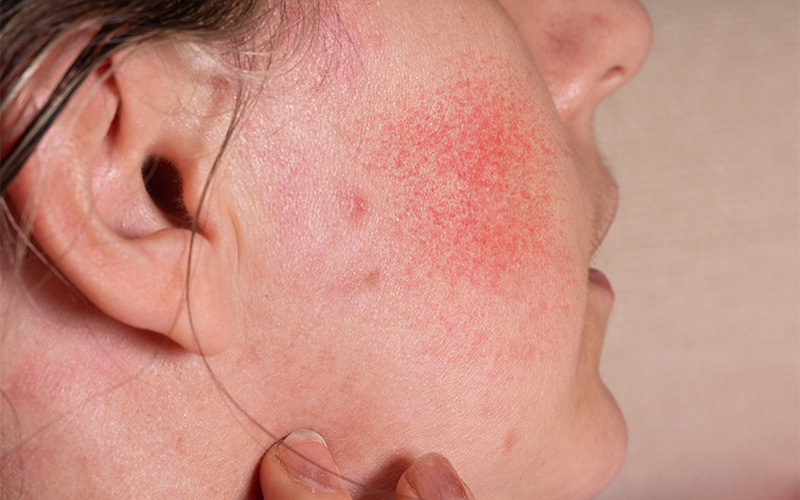
- Redness that lasts longer than usual
- Tightness, dryness, or itching
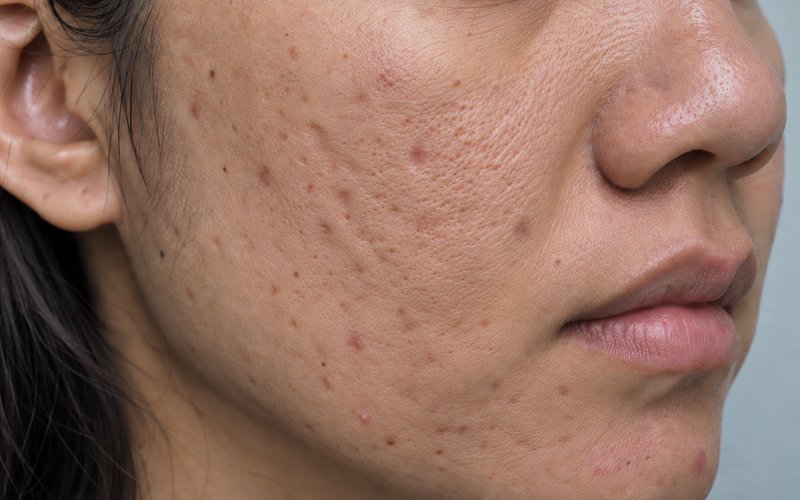
- Flaking or rough patches
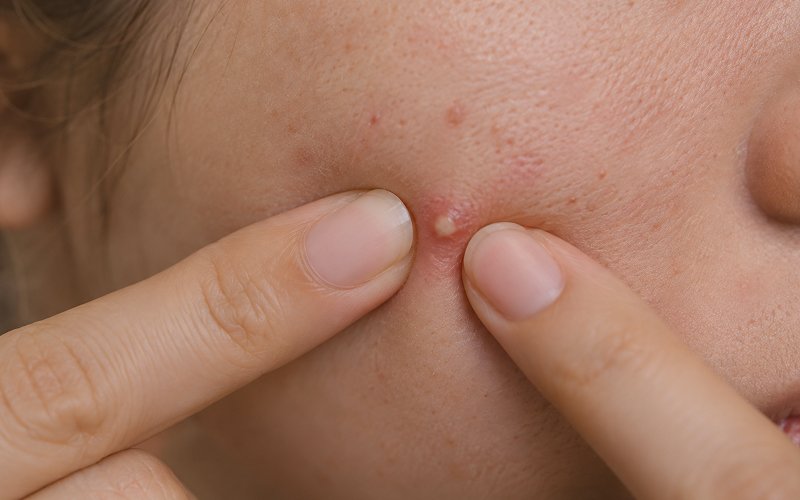
- Breakouts appearing alongside irritation
- Stronger reactions to heat, sun, exercise, or air conditioning
These symptoms may affect the whole face or appear mainly around areas where the skin barrier is naturally more vulnerable, including the cheeks, sides of the nose, mouth, and eye area.
However, persistent swelling, blistering, crusting, significant pain, or a rapidly spreading rash should be medically assessed rather than managed as routine sensitivity.
How We Identify What Could Be Triggering Your Skin
When your skin becomes sensitive all of a sudden, we look at what changed in the days or weeks before the reaction began. This helps us narrow down the most likely cause rather than treating every possible sensitive skin trigger at once.
Our doctors will review:
- Recent product changes: Any new cleanser, sunscreen, makeup product, prescription, supplement, or active ingredient introduced before the reaction.
- Changes in usage: Products that may have been applied more frequently, in larger amounts, or across a wider area than usual.
- Ingredient combinations: Too many active ingredients layered within the same routine, which may place additional stress on the skin.
- Recent procedures: Peels, lasers, microneedling, acne treatments, or strong skincare used too close together.
- Environmental exposure: Increased sun exposure, travel, air conditioning, exercise, or prolonged mask wear that may have coincided with the reaction.
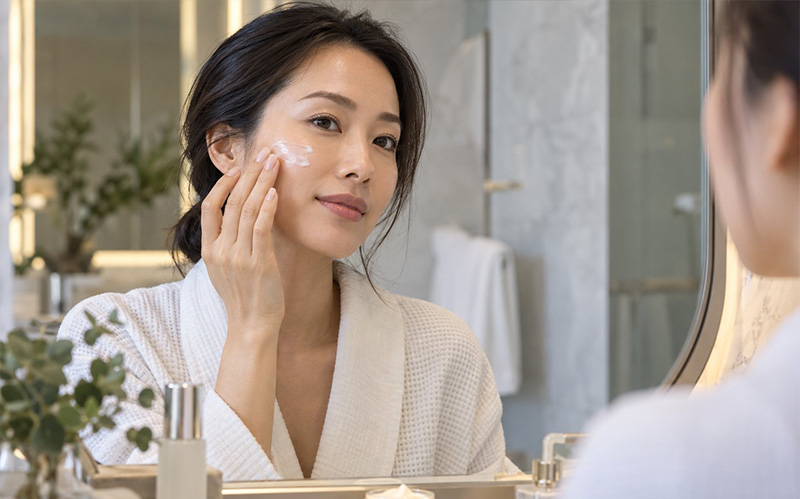
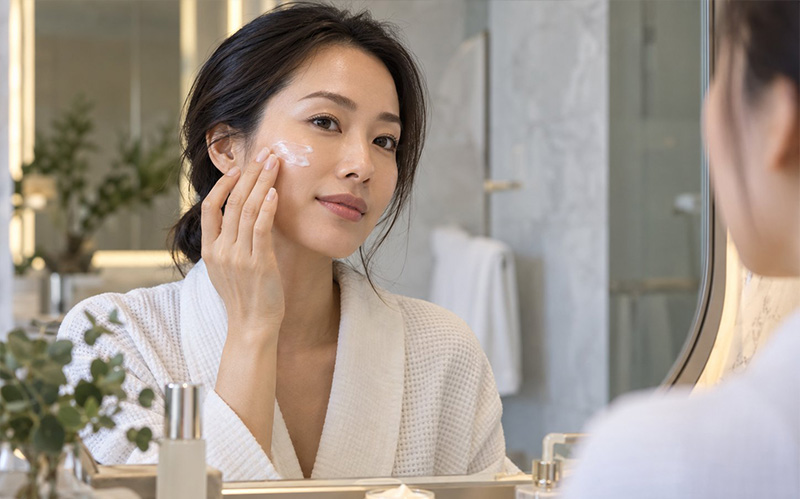
We may then recommend simplifying your routine and removing one possible trigger at a time. Once the skin has settled, products can be reintroduced gradually, making it easier to identify what your skin can tolerate without causing another cycle of irritation.
Our Aesthetic Treatments for Sensitive and Reactive Skin
Based on your skin condition and what is triggering your sensitive skin, our doctors may recommend a personalised treatment plan. The approach may differ depending on whether the end goal is to reduce vascular redness, improve skin hydration, or help restore a damaged skin barrier.
1. Yellow Laser
For patients whose sensitive skin is accompanied by persistent facial redness, rosacea-related flushing, or small visible vessels, our doctors may consider yellow laser treatment. The wavelength is selectively absorbed by haemoglobin within superficial blood vessels, allowing controlled energy to target vascular redness while limiting disruption to surrounding tissue. Suitability depends on a doctor’s assessment of the cause, severity, and pattern of the redness.
2. Medical-Grade LED Therapy
Medical-grade LED therapy is typically used as a low-intensity, adjunctive treatment rather than a standalone solution for sensitive skin. Different wavelengths may be selected to support specific concerns, such as visible redness or post-procedure recovery. At CLEO Aesthetic, we may use it alongside other treatments when the skin is mildly reactive, inflamed, or slow to settle. However, it may not be appropriate where there is an undiagnosed rash, active infection, or more severe irritation, in which case medical assessment should come first.
3. Polynucleotide (PN) Skin Boosters
PN skin booster treatment is an injectable treatment containing polynucleotides, which are intended to support the skin’s regenerative environment. These molecules may help stimulate fibroblast activity, supporting the gradual production of collagen and elastin involved in skin structure and repair. Polynucleotides also have antioxidant and anti-inflammatory properties that may support recovery after irritation or environmental stress.
However, PN skin boosters are not suitable for every sensitive skin presentation. We usually consider them once active irritation has settled, especially if your sensitivity occurs alongside reduced skin quality, uneven texture, or slower recovery. Suitability should be determined by a doctor after assessing the condition of the skin and the likely cause of the sensitivity.
4. 5 Point Hyaluronic Acid (HA) Skin Boosters
Hyaluronic acid is a naturally occurring molecule within the skin that helps attract and retain water. By delivering these molecules into the skin, 5 point HA skin boosters can help maintain hydration and moisture balance. This can contribute to smoother and more supple-looking skin.
However, it may not be appropriate for every cause of sensitivity. Our doctors will first determine whether additional hydration is likely to be useful or whether active inflammation should be managed before injectable treatment.
Conclusion: A Targeted Approach to Sudden Sensitive Skin
When skin suddenly becomes sensitive, the answer is not always to add more products or move quickly into treatment. At CLEO Aesthetic, we first look at what may have disrupted the skin, from recent procedures and active ingredients to environmental stress and changes in daily routine. This helps us decide whether the skin needs time, simpler home care, or targeted support at our aesthetic clinic.
Through our Skin Gym philosophy, we see sensitivity, like many other skin concerns, as something that should be managed over time rather than rushed. The goal is to help your skin return to a calmer, more stable state before deciding what comes next. Contact us today to arrange a consultation and build a customised plan.
Frequently Asked Questions
1. Can I wear makeup while my skin is sensitive?
It is best to reduce makeup while the skin is actively stinging, peeling, or inflamed. Where makeup is necessary, choose a simple, fragrance-free formula, apply it without rubbing, and remove it gently at the end of the day.
2. When can I start using active ingredients again?
Wait until the skin no longer feels tight, itchy, or uncomfortable when applying basic skincare. Reintroduce one active ingredient at a low frequency, then observe the skin for several days before adding anything else.
3. Is sudden skin sensitivity the same as an allergic reaction?
Not always. Barrier disruption commonly causes stinging, dryness, and general redness, while an allergic reaction may involve swelling, intense itching, hives, or a rash in specific areas. New or worsening symptoms should be medically assessed rather than managed through trial and error.
 CLEO Aesthetics