
Key Takeaways
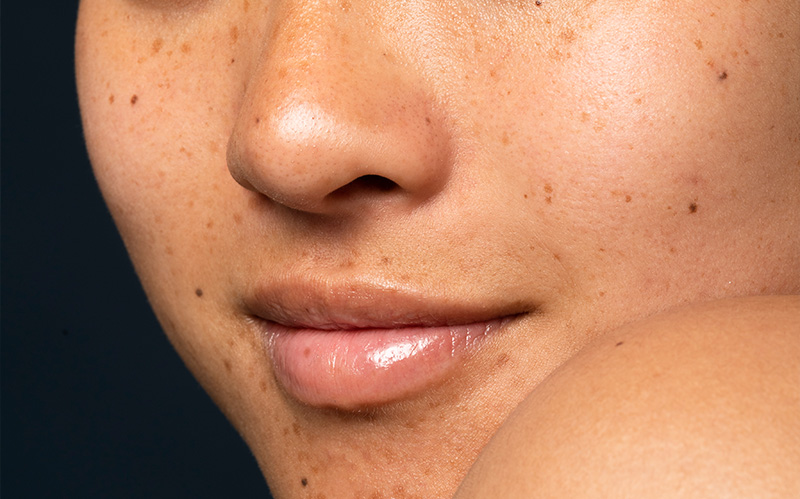
- Facial pigmentation may be triggered by sun exposure, acne, hormonal changes, repeated irritation, or gradual changes in skin renewal.
- Brown, grey and red marks can come from different processes, so identifying the type and depth of discolouration is an important first step.
- Pico and ruby lasers target pigmentation within the skin at different depths, while yellow laser addresses redness and inflammation. CLEO ExoPeel may support more gradual surface renewal.
- Daily sunscreen, gentle skincare, and avoiding repeated inflammation can help keep pigmentation from becoming darker or returning.
Introduction
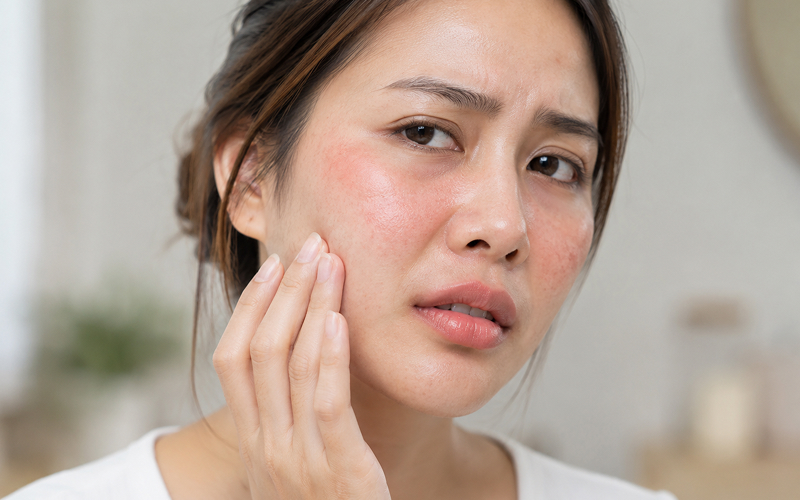
Facial pigmentation can be frustrating to deal with, especially if it persists despite your best skincare efforts. However, not every mark develops for the same reason.
At CLEO Aesthetic, what we often see is that clearer skin does not come from repeatedly treating the most visible spot. It starts with understanding what is driving the discolouration, how the surrounding skin is behaving, and which treatment mechanism suits the concern.
Below, we explore how you can reduce pigmentation on your face, the common underlying causes, and skincare habits you can adopt.
What Causes Facial Pigmentation?
1. Sun Exposure
Ultraviolet (UV) light stimulates melanocytes, the cells that produce melanin. Melanin helps protect the skin, but repeated exposure can cause pigment to accumulate unevenly, leading to freckles, sun spots, and a less even complexion overall. It can also cause existing pigmentation to darken, especially when you are inconsistent with sun protection.
2. Acne and Inflammation
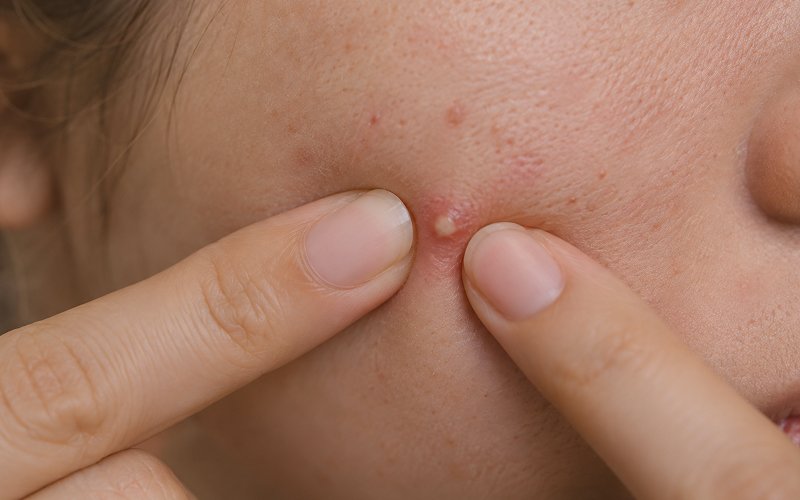
When acne or irritation inflames the skin, melanocytes may produce additional pigment during the healing process. This can leave flat brown marks after the breakout itself has settled, a response known as post-inflammatory hyperpigmentation (PIH). The more frequently an area is picked, squeezed, or irritated, the longer the inflammatory cycle may continue.
3. Hormonal Changes
Pregnancy, use of contraceptives, and other changes in hormonal levels can affect pigment activity in your skin. This can cause patchy discolouration across areas such as the cheeks, forehead, or upper lip. Hormone-related pigmentation may recur or darken with UV exposure.
4. Repeated Irritation
Harsh exfoliation, frequent scrubbing, and excessive friction can weaken the skin barrier and cause persistent inflammation. Active ingredients, such as retinoids and exfoliating acids, may also irritate the skin when they are introduced too quickly. Instead of helping to reduce pigmentation on the face, this repeated irritation can trigger further pigment production and prolong redness.
5. Age-Related Changes in Skin
As you age, collagen and elastin production in your skin naturally slows down. This slower rate of skin renewal causes pigment to be cleared less evenly and more slowly. Cumulative sun exposure, previous inflammation, and changes in skin structure can also make discolouration more visible.
What are the Different Types of Facial Marks?
We commonly observe different types of facial pigmentation in our clients. These include:
- Freckles and sun spots: Flat brown spots commonly associated with cumulative UV exposure.
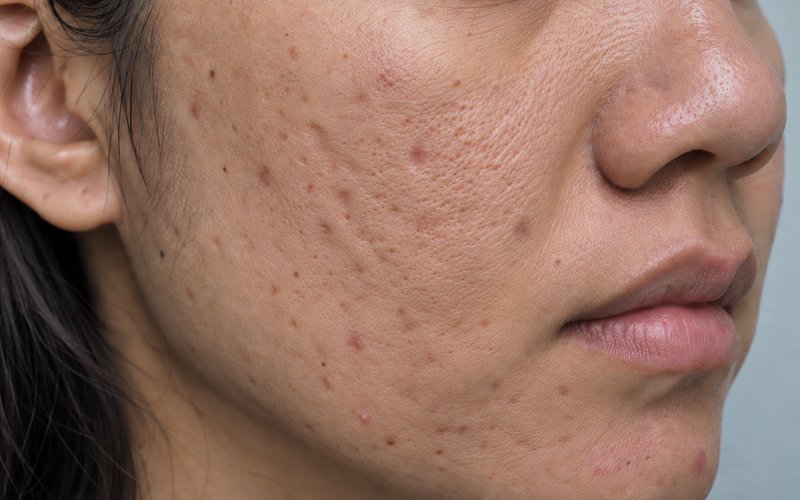
- Post-inflammatory pigmentation: Brown marks that remain after acne, irritation, or injury.
- Deeper pigmentation: Pigment beneath the surface that may appear grey, slate-coloured, or blue-brown.
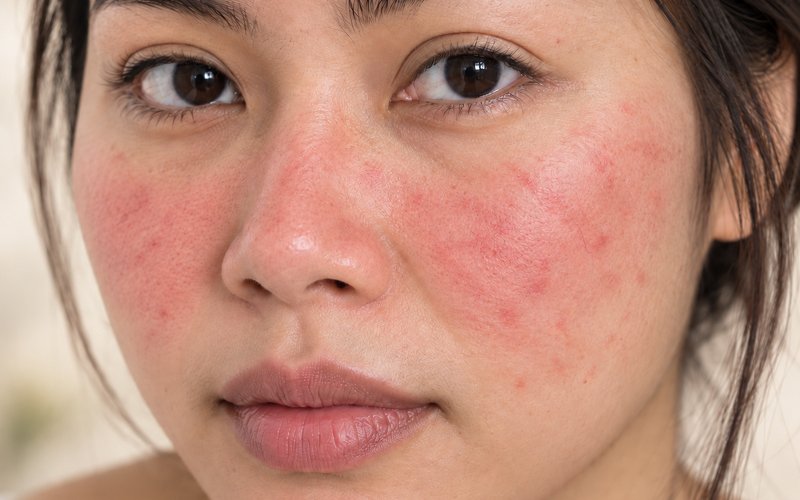
- Red post-acne marks: Discolouration caused mainly by inflammation or superficial blood vessels rather than excess melanin.
How Aesthetic Treatments Reduce Pigmentation on the Face
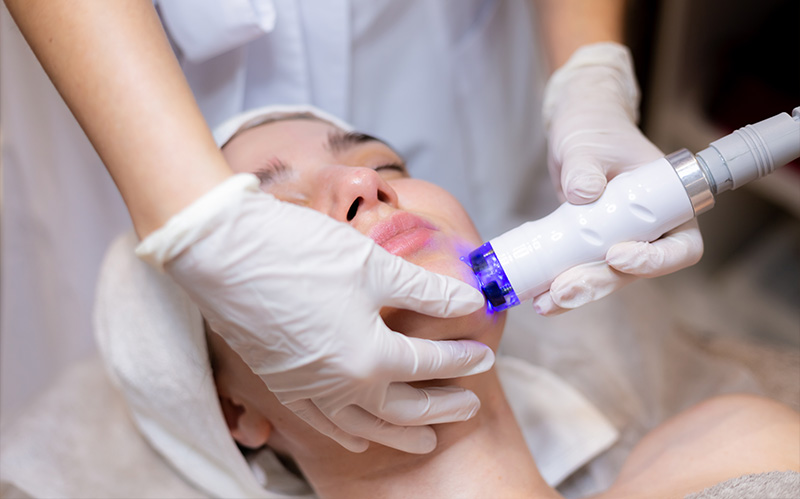
At CLEO Aesthetic, our doctors will conduct a medical assessment to determine the type and depth of pigmentation, your skin type, and overall treatment goals before recommending a suitable treatment plan. Depending on what is driving the discolouration, this may involve one or more of the following treatments.
1. Pico Laser
Our doctors will typically recommend Pico laser treatment to address hyperpigmentation, uneven skin tone, and mild acne scarring. These lasers deliver energy in pulses measured in picoseconds, or trillionths of a second. These rapid pulses create a photoacoustic effect, breaking pigment particles into smaller fragments without relying mainly on prolonged heat.
The 1064 nm wavelength can also penetrate up to approximately 3 mm into the skin, reaching the deeper reticular dermis while reducing absorption by melanin closer to the skin’s surface. The body then gradually clears the fragmented pigment through natural processes, reducing visible pigmentation and improving overall skin clarity.
2. Ruby Laser
For superficial to mid-level pigmentation, such as selected freckles and sun spots, ruby laser treatment may be considered. It uses a 694 nm wavelength that penetrates approximately 0.75 mm into the skin and is strongly absorbed by melanin, allowing it to target pigment within the epidermis and upper dermis. The laser energy breaks pigment deposits into smaller fragments that the body can gradually clear.
Asian skin types, particularly Fitzpatrick III–V, may be more prone to PIH after laser treatment. Careful selection of the treatment parameters is therefore important. In suitable cases, the ruby wavelength may allow more controlled targeting of pigment while limiting unnecessary energy absorption and inflammation in the surrounding skin.
3. Yellow Laser
In cases of skin redness, rosacea-related flushing, and visible blood vessels, we may incorporate yellow laser treatments as well. This treatment uses wavelengths selectively absorbed by haemoglobin, the oxygen-carrying component in red blood cells. This delivers thermal energy to the vessel walls, which can reduce the appearance of visible superficial blood vessels and calm acne-related inflammation in the skin.
4. Skin Renewal Treatment
For superficial pigmentation, dullness, and uneven tone, CLEO ExoPeel, a multi-step skin renewal treatment, may be considered. The treatment begins with chemical exfoliation to help remove accumulated dead skin cells, followed by superficial microneedling to improve the absorption of exosome-derived regenerative factors. A peptide recovery mask is then applied to calm the skin and support barrier recovery.
This makes CLEO ExoPeel more suitable for gradual skin renewal rather than aggressive resurfacing, particularly when maintaining skin stability is an important part of the treatment plan.
Skincare Habits to Help Reduce and Manage Pigmentation
Professional treatment can help reduce pigmentation on the face, but your daily routine plays an equally important role in preventing pigmentation from becoming darker or recurring.
- Wear broad-spectrum sunscreen every day: Apply SPF 30 or higher every morning, even on cloudy days, and reapply if you are outdoors for prolonged periods. UV exposure is one of the most common triggers that can darken existing pigmentation.
- Avoid picking at acne or irritated skin: Squeezing pimples or scratching the skin can prolong inflammation and increase the risk of post-inflammatory pigmentation.
- Be gentle with active ingredients: Introduce brightening ingredients gradually and avoid combining multiple exfoliating acids or retinoids in the same routine unless advised by your doctor. Overuse can weaken the skin barrier and make pigmentation harder to manage.
- Keep your skin barrier healthy: Use a gentle cleanser and moisturiser to reduce irritation and support recovery. Skin that is calm and well-supported generally responds better to both skincare and in-clinic treatments.
Conclusion
Managing pigmentation is not simply about treating each new mark as it appears. It starts with understanding why the discolouration developed, selecting treatments with a clear role and allowing the skin enough time to recover between each step.
At CLEO Aesthetic, our Skin Gym philosophy guides how we reduce pigmentation on the face through structured, well-timed care. The doctor assesses the type and depth of discolouration, monitors how the surrounding skin responds and adjusts the plan as your needs change. The aim is not instant brightness, but steadier progress towards skin that looks clearer, calmer, and more even over time.
Contact us for more information today.
Frequently Asked Questions
1. Should I treat my acne before treating pigmentation?
In most cases, yes. If you continue to develop new breakouts, you are more likely to develop new post-acne pigmentation. Treating active acne first, or alongside pigmentation, can help break this cycle and lead to better long-term outcomes.
2. Will one laser session remove all my pigmentation?
Usually not. Pigmentation often develops over months or years, so it typically takes more than one treatment session to see meaningful improvement. The number of sessions depends on the type, depth, and cause of the pigmentation, as well as how your skin responds to treatment. Your doctor will review your progress and adjust the treatment plan accordingly.
3. Is it safe to treat pigmentation if I have sensitive skin?
Many people with sensitive skin can still undergo pigmentation treatments, but the treatment plan may need to be adjusted. Before recommending any procedure, your doctor should assess your skin barrier, sensitivity, and risk of post-inflammatory pigmentation. In some cases, strengthening the skin barrier or calming existing inflammation first may be recommended before proceeding with pigment-targeting treatments.
 CLEO Aesthetics